Comprehensive Coverage for Stored Classics
It's a common fear for classic car owners: you've lovingly tucked your cherished ride away for the winter, or perhaps it's a long-term restoration project carefully nestled in the garage, but what if disaster strikes while it's just sitting there? The peace of mind that comes with knowing your investment is truly protected is invaluable. This guide dives deep into comprehensive coverage specifically designed for classic cars that spend most of their time in storage, helping you understand its nuances and why it's absolutely essential.
The Unique Vulnerabilities of a Stored Classic
When you think about insuring a car, your mind often goes to accidents on the road. But for a classic car that's primarily stored, the risks shift dramatically. These vehicles aren't just cars; they're investments, pieces of history, and often the culmination of years of hard work and passion. Leaving them exposed to unforeseen perils without the right protection can lead to heartbreaking losses.
Beyond the Garage Door: Risks You Might Not Consider
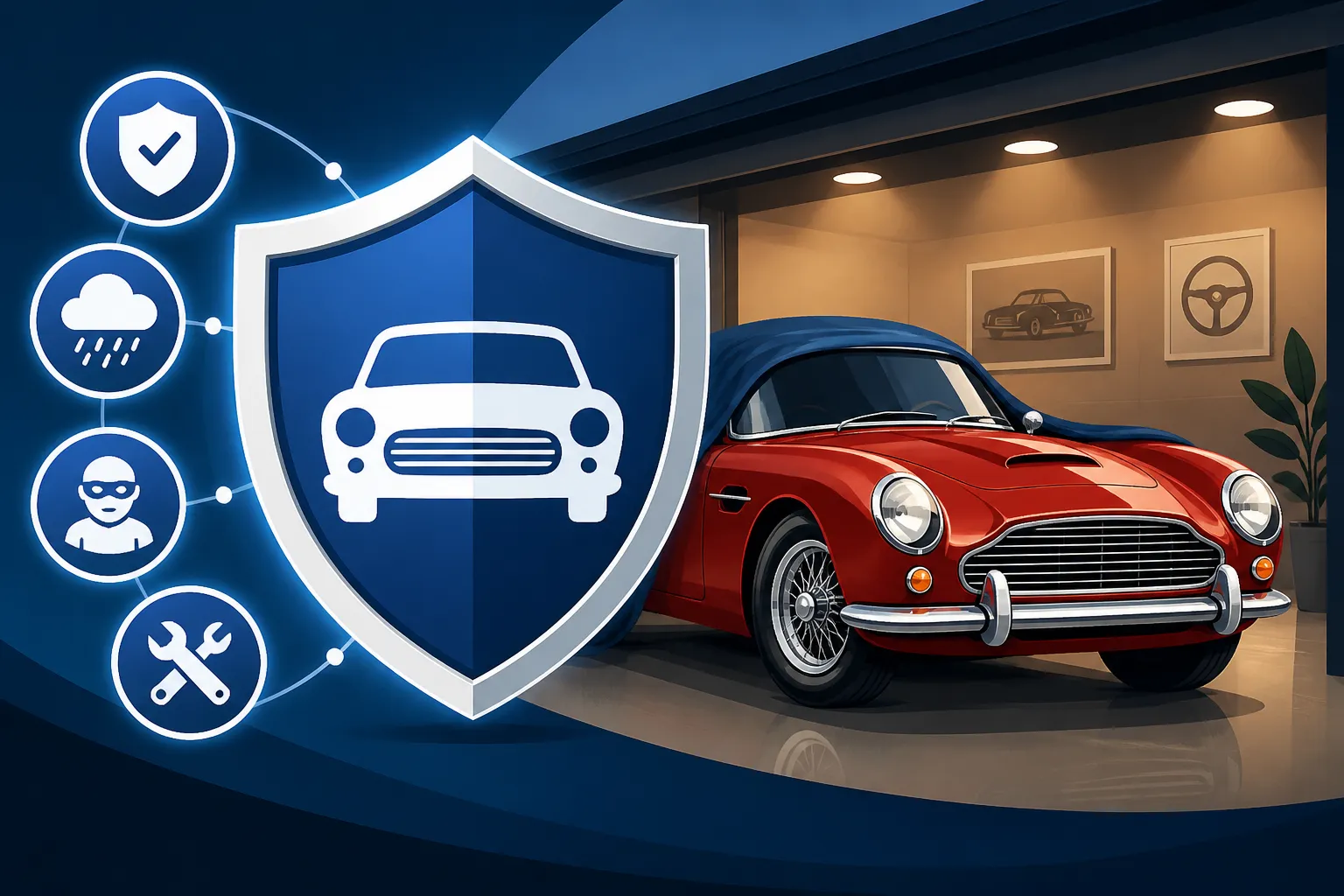
Many classic car owners breathe a sigh of relief once their prized possession is securely locked away in a garage. However, the garage itself isn't an impenetrable fortress, and dangers lurk beyond just potential theft. Think about the severe weather events that have become increasingly common across the country. A sudden hailstorm in Texas, a brutal winter freeze in Michigan causing pipes to burst, or even a localized flash flood in Florida can cause catastrophic damage to a vehicle parked indoors.
Fires are another terrifying possibility, whether it starts from faulty wiring in your own garage, a neighboring unit, or even a natural event like a lightning strike. Then there are the non-weather-related incidents: a tree branch falling through the roof, vandalism, or even unexpected animal damage (yes, rodents can cause an incredible amount of destruction to wiring and interiors). These aren't just hypothetical scenarios; they happen to real collectors every year, often leaving them wishing they'd fully understood their coverage before it was too late. It’s crucial to consider all angles when evaluating your Garage Storage Requirement for Classic Cars.
Why Standard Auto Insurance Falls Short for Stored Vehicles
You might assume your regular auto insurance policy, even if it has comprehensive coverage, would protect your classic when it's stored. Unfortunately, this is a common misconception that can lead to significant financial heartache. Standard policies are primarily designed for daily drivers and are built around the concept of actual cash value (ACV). This means in the event of a total loss, the insurer would only pay out what they deem the car was worth at the time of the loss, factoring in depreciation. For a classic car, which often appreciates in value, this is a catastrophic flaw. A standard policy simply doesn't recognize the true market value, the historical significance, or the emotional investment you've made.
Furthermore, traditional policies might have specific exclusions for vehicles not driven regularly, or they might not cover certain perils that specialty classic car insurance explicitly addresses. They certainly won't offer things like coverage for spare parts or a vehicle under restoration, which are vital for many collectors. Understanding Classic Car Insurance vs Regular Insurance: What's Required is paramount here, as the differences are not just about price, but about the fundamental nature of protection.
What Comprehensive Coverage for Stored Classics Truly Means
When we talk about "comprehensive coverage" for a classic car in storage, we're discussing a policy specifically tailored to the unique risks these vehicles face when they're not on the road. This isn't your average comprehensive coverage; it's a specialized product designed by companies who genuinely understand the collector car world.
Breaking Down the "Comprehensive" Label
In the realm of classic car insurance, comprehensive coverage protects against damage to your vehicle that isn't caused by a collision or rollover. For a stored classic, this is your primary line of defense. It steps in when those unexpected, non-driving incidents occur. This typically includes events like fire, theft, vandalism, falling objects (like trees or even space debris, though that's less common!), and various natural disasters such as hail, floods, and windstorms.
What makes it truly special for a classic is how it intertwines with specialized valuation methods. Unlike standard policies, which might just give you a depreciated value, classic car comprehensive coverage almost always operates under an "Agreed Value" model. This distinction is critical and forms the backbone of adequate protection for your cherished vehicle, especially if you're not driving it often. It's about providing robust protection for your vehicle, whether it's kept in a garage in rural Pennsylvania or a climate-controlled facility in urban California.
Agreed Value: The Cornerstone for Stored Collectibles
The concept of Agreed Value is perhaps the single most important difference between standard and classic car insurance, particularly for stored vehicles. With an Agreed Value policy, you and the insurance company agree upon the true market value of your classic car before the policy is issued. This value is usually determined through a combination of appraisals, market research, and the insurer's expertise. Once agreed upon, that figure is locked in.
If your stored classic is then unfortunately declared a total loss due to a covered comprehensive peril – say, a garage fire or a major flood – the insurer will pay you that full agreed-upon amount, minus any deductible. There's no negotiation, no arguments about depreciation, and no surprises. This is a massive relief for collectors, as it ensures that the significant investment of time, money, and passion into their vehicle is fully recognized and protected. For more on this, check out our guide on Agreed Value Coverage Explained. Without Agreed Value, your pride and joy could be settled at a fraction of its true worth if something goes wrong while it’s tucked away.
Key Incidents Covered by Comprehensive Policies
Let's get specific about what perils comprehensive coverage typically safeguards your stored classic against. It's more than just a vague promise; it's a detailed list of potential misfortunes that can occur when your car isn't moving.
- Fire: This is a major concern for any stored vehicle. Comprehensive coverage protects against damage from fires, whether they start in the garage, a nearby structure, or even if an electrical issue develops within the car itself.
- Theft: While a locked garage is a deterrent, it's not foolproof. If your classic is stolen, comprehensive coverage will step in to provide the Agreed Value. This also extends to parts stolen from the vehicle.
- Vandalism: The disheartening experience of discovering your stored car has been intentionally damaged by vandals is covered. This can range from graffiti to broken windows or slashed tires.
- Natural Disasters: This is where many standard policies fall short for stored vehicles. Comprehensive classic car policies typically cover:
- Hail: Significant damage can occur even indoors if a roof is compromised.
- Windstorms: Damage from falling debris, structural failure of the storage facility.
- Floods: Water damage from rising waters, burst pipes, or heavy rain entering the storage area.
- Earthquakes: Damage caused by seismic activity (though often an optional add-on, it’s a critical consideration in earthquake-prone regions like California).
- Falling Objects: This includes trees, branches, or even structural components of your garage or neighboring buildings that might collapse onto your car.
- Animal Damage: Believe it or not, comprehensive policies often cover damage from animals, such as rodents chewing through wiring or nesting in your engine bay.
Companies like Hagerty are renowned for offering robust comprehensive coverage options that specifically address these scenarios for stored vehicles. They understand that a classic car, even when stationary, is still exposed to a multitude of threats that require specialized attention.
Essential Add-Ons and Considerations for Stored Classics
While core comprehensive coverage is fantastic, the true strength of a classic car policy for a stored vehicle often lies in its ability to be customized with crucial add-ons. These endorsements can fill specific gaps, providing a blanket of protection that ensures every aspect of your hobby is safeguarded.
Protecting Your Investment: Spare Parts and Automobilia Coverage
Many collectors accumulate a significant inventory of spare parts, tools, and automobilia (memorabilia like signs, models, and artwork) related to their classic cars. These aren't just random items; they can represent a substantial investment, sometimes rivaling the value of the car itself. Imagine having a rare, numbers-matching carburetor or a pristine set of original chrome bumpers stored on a shelf, only to have them destroyed in a fire or stolen alongside your vehicle. Standard homeowners insurance might offer some limited coverage, but it's rarely sufficient for the specialized and often high-value nature of classic car parts.
This is where dedicated Spare Parts Coverage Explained comes into play. It's an endorsement specifically designed to protect these invaluable components, often covering them for their agreed market value. Similarly, automobilia coverage ensures your collection of vintage posters, trophies, or scale models is protected against perils like fire, theft, and damage. If these items are stored alongside your classic, it only makes sense to insure them under the same, specialized policy. Some insurers even offer coverage for tools and equipment used for restoration, recognizing that a well-equipped workshop is part of the classic car lifestyle.
Restoration Coverage for Project Cars
For many, a classic isn't just a finished product; it's a journey. Project cars, barn finds, and vehicles undergoing extensive restoration spend significant time in various stages of disassembly, often with an ever-increasing investment of labor and money. This presents a unique challenge for insurance. How do you insure a car that's constantly changing in value?
Specialty insurers offer Restoration Coverage for Classic Cars designed to address this. This add-on allows you to periodically update the Agreed Value of your project car as you invest more time and money into its restoration. For example, if you start with a shell valued at $10,000 and then spend $20,000 on engine rebuilds, bodywork, and new components, you can inform your insurer and adjust the Agreed Value to reflect the current investment. This ensures that if a fire or other comprehensive peril strikes mid-restoration, you're not just compensated for the original purchase price, but for the tangible value you've added. This also applies to securing coverage for a car that is non-running, as it's still an asset.
Understanding "Laid-Up" or "Storage-Only" Policies
Sometimes, a classic car truly is just a display piece, a long-term project, or a seasonal vehicle that won't see the road for an extended period. In these situations, a "laid-up" or "storage-only" comprehensive policy can be an incredibly cost-effective and appropriate solution. These policies strip away the collision and liability components that are typically associated with driving a vehicle, focusing solely on comprehensive perils.
This means you're covered for fire, theft, vandalism, natural disasters, and other non-collision incidents, but you won't have coverage for accidents that occur while the car is in motion. This type of policy is ideal for:
- Winter Storage: If your classic is meticulously detailed and parked from November to April, a laid-up policy can save you money while maintaining crucial protection against common winter threats.
- Long-Term Projects: For cars that are years away from being roadworthy, focusing on comprehensive coverage makes sense.
- Show Cars Only: Vehicles that are trailered to shows and never driven on public roads.
It's important to note that if you decide to drive the car, even for a short test drive after a repair, you would need to contact your insurer to add temporary or full driving coverage. Companies like Hagerty offer flexible options to easily transition between laid-up and full coverage as your needs change throughout the year. Remember that a specific Pleasure-Use Requirement Explained often accompanies these policies, clarifying the limited scope of driving.
How to Secure the Right Comprehensive Policy for Your Stored Gem
Navigating the world of classic car insurance can feel a bit daunting, but securing the right comprehensive policy for your stored vehicle doesn't have to be. It boils down to understanding your car's value, knowing what questions to ask, and partnering with the right experts.
Documenting Your Classic's Condition and Value
The foundation of any good classic car insurance policy, especially one built around Agreed Value, is thorough documentation. Before you even pick up the phone for a quote, take the time to gather detailed information about your classic. This isn't just about proving ownership; it's about establishing its true worth.
Start with clear, high-resolution photographs of your vehicle from all angles, inside and out. Document any unique features, modifications, or awards it has won. Keep a meticulous record of all restoration work, including receipts for parts, labor, and professional services. If you've had it appraised, have that appraisal ready. Professional appraisals are often key for higher-value vehicles and ensure both you and the insurer are on the same page regarding its worth. For tips on this, you might find our article on How to Value Your Classic Car for Insurance helpful. The more evidence you can provide to support your car's value, the smoother the process of agreeing on a fair and accurate insured amount.
Choosing a Specialty Insurer for Peace of Mind
While some standard insurance providers might offer policies for classics, for truly comprehensive coverage on a stored vehicle, a specialty insurer is almost always the best choice. These companies, unlike general insurers, are built specifically around the unique needs of collectors. They understand Agreed Value, the nuances of restoration projects, and the specific perils that threaten stationary classics.
Companies like Hagerty, Grundy, American Collectors Insurance, and J.C. Taylor are leaders in this field. They have adjusters who understand classic car values and repairs, ensuring that in the event of a claim, your car is restored correctly, often with original or period-correct parts, rather than just being "fixed" with whatever is cheapest. They also tend to be much more flexible with storage requirements and usage clauses. It's not just about getting a policy; it's about partnering with an insurer who truly gets your passion. When you’re looking to How to Buy Classic Car Insurance, starting with these specialized providers is always a strong recommendation.
Regular Reviews to Ensure Adequate Protection
The value of classic cars, especially well-maintained or rare models, can fluctuate. Market trends, successful restorations, or the discovery of new provenance can all impact your vehicle's worth. This is why it's critical not to just "set it and forget it" when it comes to your classic car insurance.
Make it a point to review your policy annually with your insurer. Discuss any significant changes to your vehicle – new parts installed, a major repair completed, or simply a shift in the market value of your specific make and model. If your car is a project, provide updates on its progress to ensure your Agreed Value accurately reflects your ongoing investment. An annual review is also a good opportunity to discuss potential Classic Car Insurance Add-Ons and Endorsements that might have become relevant, or to adjust mileage tiers if your driving habits have changed. Keeping your policy current ensures that in the unfortunate event of a claim, you're fully protected for the most accurate value of your cherished classic.
| Coverage Type | Covers Collision? | Covers Comprehensive (Non-Collision)? | Agreed Value Option? | Ideal For |
|---|---|---|---|---|
| Standard Auto (ACV) | Yes | Yes | No (Actual Cash Value) | Daily Driver |
| Classic Auto (Full) | Yes | Yes | Yes | Driven Classics |
| Classic Auto (Laid-Up/Storage-Only Comprehensive) | No | Yes | Yes | Stored/Project Cars Only |
Disclaimer
Please remember that this article provides general information and insights into classic car insurance. Insurance policies can be complex, and coverage details, terms, conditions, and availability vary significantly by insurer and individual circumstances. It is always recommended to consult directly with a qualified insurance professional or agent to discuss your specific needs and obtain personalized advice and quotes. Review your policy documents carefully to understand your coverage.