How Towing Coverage Works for Collectors
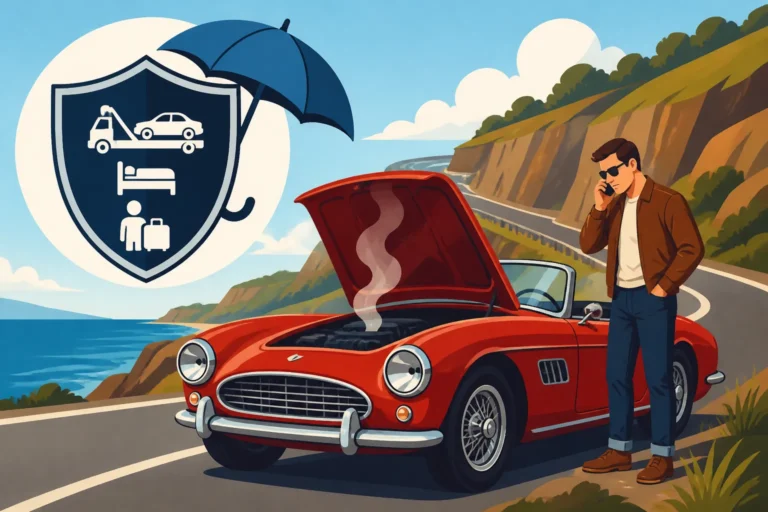
You're cruising down a scenic backroad in your cherished classic, sun glinting off the chrome, when suddenly… a sputter, a cough, and then silence. Every classic car owner's nightmare, right? The last thing you want is a generic tow truck operator hauling your pride and joy onto a standard hook-and-chain, risking damage to its delicate frame or precious paintwork. This guide will walk you through exactly how specialized towing coverage works for collectors, ensuring your vintage beauty gets the care it deserves when the unexpected happens.
The Unique Towing Needs of a Classic Car
Owning a classic car isn't just about the thrill of the drive; it's also about meticulous care, preservation, and understanding its distinct vulnerabilities. When your everyday modern vehicle breaks down, a standard tow truck might suffice. But for a classic, a regular tow can be an absolute disaster waiting to happen. These aren't just cars; they're investments, pieces of history, and often, extensions of our own passion.
Why Standard Roadside Assistance Falls Short
Most standard auto insurance policies come with a basic roadside assistance package. This might cover a jump-start, a tire change, or a tow to the nearest mechanic. However, these services are typically designed for modern cars with robust frames, higher ground clearance, and easily accessible tow points. For a classic, these standard provisions are often inadequate, if not outright dangerous.
Imagine a beautiful 1960s convertible. Its frame might be decades old, its suspension system designed for a different era, and its paint job a costly, painstaking restoration. A conventional tow truck, often called a "hook-and-chain" or "wheel-lift" tow, hoists either the front or rear wheels off the ground, leaving the other two on the pavement. While this is fine for many modern vehicles, it can put immense stress on a classic's drivetrain, suspension, and even its unibody construction. Furthermore, many older vehicles have very low ground clearance, making it impossible to lift them without scraping valuable undercarriage components or exhaust systems. Trying to attach chains or hooks to delicate chrome bumpers or brittle frame components could lead to costly damage that far outweighs the convenience of a quick tow.
The Dangers of Improper Towing for Classics
The risks associated with improper towing are significant for any collector. Beyond the potential for damage to the vehicle's structural integrity or paint, there's the emotional toll of seeing your pride and joy mishandled. Picture a tow truck driver, unfamiliar with the nuances of a vintage Mustang or a delicate Porsche 356, trying to secure it with rough chains, bending a rare trim piece or cracking a fiberglass panel. The financial repercussions can be staggering, too. Repairs to classic cars often involve specialized parts that are hard to find and expensive to replace, not to mention the expert labor required.
An improperly executed tow can lead to bent axles, damaged differentials, torn suspension components, and even issues with the frame itself. If your vehicle has a delicate manual transmission, towing it with the drive wheels on the ground can cause severe internal damage if the transmission isn't properly disengaged or if it lacks adequate lubrication. It’s a stark contrast to standard auto policies, highlighting why you need to know Classic Car Insurance vs Regular Insurance: What's Required and how it impacts towing. This is precisely why specialized classic car towing coverage isn't just a nice-to-have; it's an essential safeguard for your investment and peace of mind.
Understanding Dedicated Classic Car Towing Coverage
When you invest in a classic car, you quickly learn that standard solutions often don't cut it. The same goes for insurance, especially when it comes to something as critical as towing. Dedicated classic car insurance providers understand these unique needs and offer specialized towing coverage designed specifically for collector vehicles. This isn't just an add-on; it's a fundamental part of responsible classic car ownership.
What Specialized Towing Coverage Typically Includes
Specialized towing coverage, often integrated with or offered as a robust enhancement to Roadside Assistance Coverage for Classic Cars Explained, goes far beyond what you'd get from a generic AAA membership or a standard auto policy. Its primary goal is to ensure your classic is transported safely and securely, minimizing any risk of damage. This usually means:
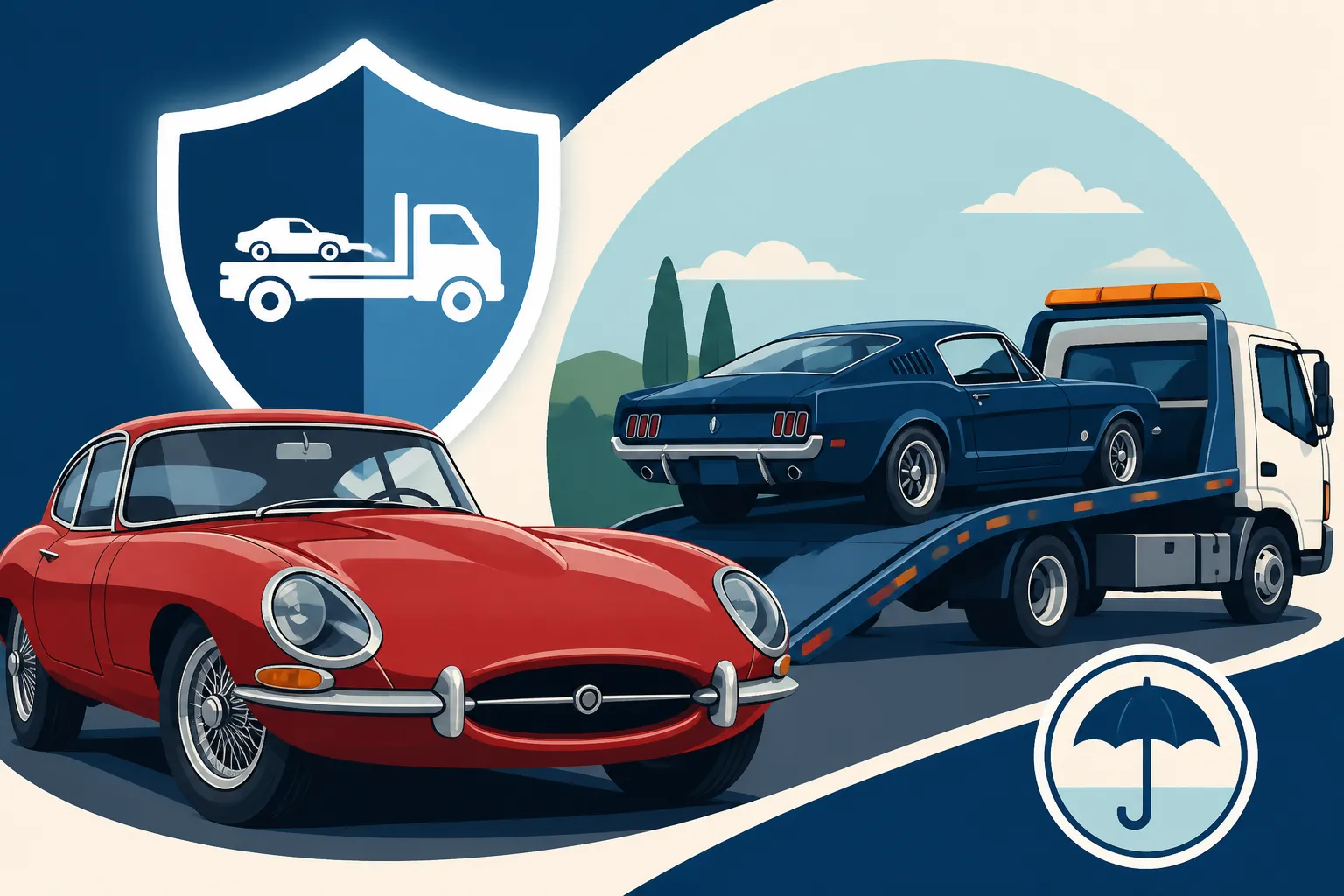
- Flatbed Towing Mandate: This is the most crucial aspect. Specialty policies almost always specify or strongly recommend flatbed towing. A flatbed truck allows the entire vehicle to be driven or winched onto a flat platform, securing all four wheels off the ground. This eliminates stress on the drivetrain, suspension, and chassis.
- Winch Service: For vehicles that can't be driven onto the flatbed (perhaps due to mechanical failure or accident damage), winch service is critical. The coverage should ensure that the winch operation is performed carefully to avoid damage, often by operators experienced with classic vehicles.
- Qualified Operators: While not always explicitly guaranteed, specialty insurers often partner with or recommend towing services that have experience with classic, antique, or luxury vehicles. This expertise means drivers understand how to properly secure your car, identify appropriate tie-down points, and handle the vehicle with the care it deserves. Companies like Hagerty, for example, often emphasize this network of trusted service providers.
- Transportation to a Mechanic of Choice: Unlike standard policies that might only tow to the "nearest" garage, classic car towing coverage typically allows you to specify where your car should be taken. This is vital because you likely have a trusted mechanic who understands your particular make and model, or you might prefer to take it back to your own garage for repairs.
- Reasonable Mileage Limits: While some basic roadside plans have very restrictive towing limits (e.g., 5 or 10 miles), specialized coverage for classics tends to offer more generous allowances, often 100 miles or more, or even unlimited mileage options. This is essential for collectors who frequently drive their cars to shows, rallies, or scenic routes far from home.
Flatbed Towing: A Non-Negotiable for Collectors
Let's dive a little deeper into why flatbed towing is absolutely non-negotiable for anyone who owns a classic car. Imagine your vehicle as a delicate piece of art – you wouldn't let someone carry it by a single corner, would you? That's essentially what a hook-and-chain tow can do to a classic.
Flatbed towing ensures that your entire vehicle rests securely on a completely flat, stable surface. This negates the risks associated with dragging two wheels on the pavement, which can cause:
- Drivetrain Damage: If the classic car is rear-wheel drive and towed with the front wheels lifted, the rear wheels are still spinning the driveshaft and differential. If the transmission is in park or gear, or if there's an issue with the lubrication, this can lead to catastrophic internal damage. Front-wheel drive cars face similar risks when towed incorrectly from the rear.
- Suspension and Steering Stress: The weight distribution and forces applied during a two-wheel tow can put unnatural stress on an older, potentially more fragile suspension system, leading to bent components or alignment issues.
- Body and Frame Damage: Low-slung classics, especially those with custom exhausts or body kits, are extremely susceptible to scraping the ground during loading or transport with traditional methods. Even slight inclines or bumps can cause severe damage. Flatbeds can often articulate or come equipped with specialized ramps that reduce approach angles, making loading safer.
- Tire and Wheel Wear: Even if the drivetrain is disengaged, having two wheels rotating on the pavement for a long tow can cause unnecessary wear and tear on vintage tires and custom wheels.
When you're comparing policies and trying to figure out How to Choose Classic Car Insurance, always prioritize the explicit mention and guaranteed provision of flatbed towing. It truly is the gold standard for protecting your investment during an unexpected breakdown.
Key Features and Benefits of Collector Car Towing Coverage
The peace of mind that comes with knowing your cherished classic is protected cannot be overstated. Specialized towing coverage isn't just about getting your car from point A to point B; it's about getting it there safely, without further damage, and with the utmost care. This level of detail and understanding is a hallmark of truly collector-focused policies.
Mileage Limits and Geographical Scope
One of the most common points of frustration with standard roadside assistance is the mileage limit. You break down 25 miles from home, and your policy only covers 10 miles. You're suddenly on the hook for the remaining 15 miles, often at exorbitant rates. For classic car collectors, who often travel further for car shows, rallies, or just scenic drives, this is simply unacceptable.
Collector car towing coverage typically offers much more generous mileage limits. Many policies will offer a significant radius, perhaps 100 or even 200 miles, ensuring you can reach your preferred mechanic or even get your vehicle back to your home garage. Some premium plans, often from dedicated classic car insurers like Hagerty, might even offer unlimited mileage towing within a certain geographical area, which is an incredible benefit for those who enjoy long-distance classic car touring. When reviewing your policy, look closely at the "Service Radius" or "Towing Distance" clause. A wider geographical scope means you're covered whether you break down a few blocks from home or hundreds of miles away during a road trip. Understanding these nuances is part of learning What to Look for in a Classic Car Policy.
Reimbursement vs. Direct Service and Choosing a Mechanic
How the towing service is delivered and paid for is another critical distinction in classic car towing coverage.
- Direct Service: This is usually the preferred method. With direct service, you call your insurer's roadside assistance line, and they dispatch a qualified tow truck (ideally a flatbed) directly to your location. The insurer handles the payment to the towing company, so you don't have to worry about out-of-pocket expenses beyond your policy's terms. This can be especially convenient if you don't have immediate access to funds or if you're in an unfamiliar area.
- Reimbursement: Some policies operate on a reimbursement basis. You pay the towing company directly, and then submit the receipt to your insurer for reimbursement. While this technically covers the cost, it requires you to front the money and handle the paperwork. Always check the maximum reimbursement limit, as it might not cover the full cost of a specialized, long-distance flatbed tow.
A major advantage of specialized classic car towing coverage is the flexibility to choose your own mechanic or repair shop. With a modern daily driver, any certified garage might do. But for a classic, finding a shop with the expertise, tools, and experience with vintage vehicles is paramount. You might have a trusted specialist fifty miles away, or you might prefer to perform repairs yourself in your garage. Your policy should allow for this choice, rather than forcing you to use the "nearest available" repair facility. This ties into the broader concept of How to Build a Complete Classic Car Policy, where every component is tailored to collector needs.
How to Evaluate and Secure the Right Towing Coverage
Navigating the world of classic car insurance can feel a bit overwhelming, especially with all the unique terms and coverage types. But when it comes to towing, making the right choice is paramount to protecting your investment. You want to be sure that when the unexpected happens, your classic is in capable hands.
Questions to Ask Your Classic Car Insurer
When you're obtaining quotes or reviewing your current policy, don't just assume towing is covered adequately. Dig deep and ask specific questions. This proactive approach will save you a lot of heartache (and money) down the road.
Here are some crucial questions to pose:
- Is flatbed towing guaranteed? This is your absolute priority. Confirm that their standard towing service for classics explicitly includes flatbed transport. If not, ask if it's an available Classic Car Insurance Add-Ons and Endorsements.
- What are the mileage limits for towing? Get a clear number. Is it 50 miles, 100 miles, or unlimited? Does the limit apply per tow or annually? If you frequently travel long distances, push for higher limits.
- Can I choose my repair shop? Verify that you have the flexibility to select your preferred classic car mechanic or even have the car towed back to your own garage.
- Is it direct service or reimbursement? Understand how the payment process works. Will the insurer arrange and pay for the tow directly, or will you need to pay upfront and seek reimbursement?
- What other roadside assistance services are included? Beyond towing, what about battery jump-starts, tire changes (especially if you have specialized tires), fuel delivery, or lockout services? While these might not be as critical as towing, they add convenience.
- Are there any exclusions? For instance, does the coverage apply if you're on a private road, at a track day, or participating in a timed event? Understanding Classic Car Insurance Exclusions to Know is vital.
- What is the process for requesting a tow? Knowing exactly who to call and what information you'll need to provide in an emergency can reduce stress. Do they have a dedicated 24/7 hotline for classic car owners?
- Does the coverage extend to my collection or just this one vehicle? If you have multiple classics, ensure that your towing coverage applies to all of them under a multi-car collector policy.
Integrating Towing with Your Overall Policy
Towing coverage shouldn't be a standalone thought; it needs to be seamlessly integrated into your overall classic car insurance strategy. Think of it as another layer of protection, just like your Agreed Value Coverage for Classic Cars Explained or comprehensive coverage.
When you're getting a quote, whether from a specialty insurer like Hagerty or American Collectors Insurance, or through an independent agent, always specify that you need robust towing and roadside assistance for your classic. Don't be shy about asking for comparisons between different tiers of roadside coverage they might offer. Often, the incremental cost for a premium towing package is relatively small compared to the potential damage and hassle of an improper tow.
Consider the context of your classic car ownership. Do you only drive it to local shows a few times a year, or do you take it on cross-country tours? Your driving habits should influence the depth of your towing coverage. If you're a long-distance cruiser, features like generous mileage limits and perhaps even Trip Interruption Coverage for Classic Cars Explained become incredibly valuable.
Ultimately, the goal is to build a comprehensive policy that covers all aspects of classic car ownership, from valuation to collision, and yes, to ensuring that if your treasured vehicle ever needs a lift, it gets the safest ride possible. Getting a quote and understanding all aspects, including towing, is part of learning How to Buy Classic Car Insurance.
Comparing Standard vs. Classic Car Towing Coverage
To better illustrate the distinctions, let's look at a quick comparison between what you might expect from a standard auto policy's roadside assistance and specialized classic car towing coverage.
| Feature | Standard Auto Roadside Assistance | Specialized Classic Car Towing Coverage |
|---|---|---|
| Tow Vehicle Type | Hook-and-chain, wheel-lift common | Primarily flatbed, often mandated |
| Damage Risk | Moderate to high for classics | Low, designed for safe transport |
| Mileage Limit | Often 5-25 miles | Typically 50-200+ miles, or unlimited options |
| Choice of Mechanic/Shop | Usually "nearest qualified" | Often allows owner's choice |
| Operator Expertise | General auto knowledge | Preferred network of classic-savvy operators |
| Payment Method | Direct service or reimbursement | Often direct service, higher reimbursement limits |
| Additional Services | Jump-starts, tire changes, fuel | Same, but often with classic-specific considerations |
Disclaimer
Please remember that insurance policies and coverage details can vary significantly between providers and depend on your specific policy terms. This guide provides general information and recommendations. Always consult directly with your insurance provider or a qualified agent to understand the specifics of your classic car insurance policy and ensure you have the appropriate coverage for your needs.