Coverage for Touring and Rallies
There’s nothing quite like hitting the open road in your classic car, feeling the rumble of the engine, and seeing the admiring glances as you cruise by. But when it comes to joining a classic car tour or rally, that sense of freedom can quickly be overshadowed by nagging worries about what happens if something goes wrong. Will your insurance really cover that fender-bender miles from home, or a breakdown in a remote area? This guide will dive deep into classic car insurance options, specifically focusing on how to ensure you're fully protected when participating in touring and rally events, giving you the peace of mind to truly enjoy the journey.
The Unique Joys and Specific Risks of Classic Car Touring and Rallies
For many of us, owning a classic car isn't just about polishing chrome in the garage or showing it off at local meetups. It's about experiencing the car as it was meant to be driven – on the open road. Classic car tours and rallies offer an unparalleled opportunity to do just that, but they also introduce a unique set of considerations when it comes to safeguarding your prized possession.
Why Classic Owners Love These Events
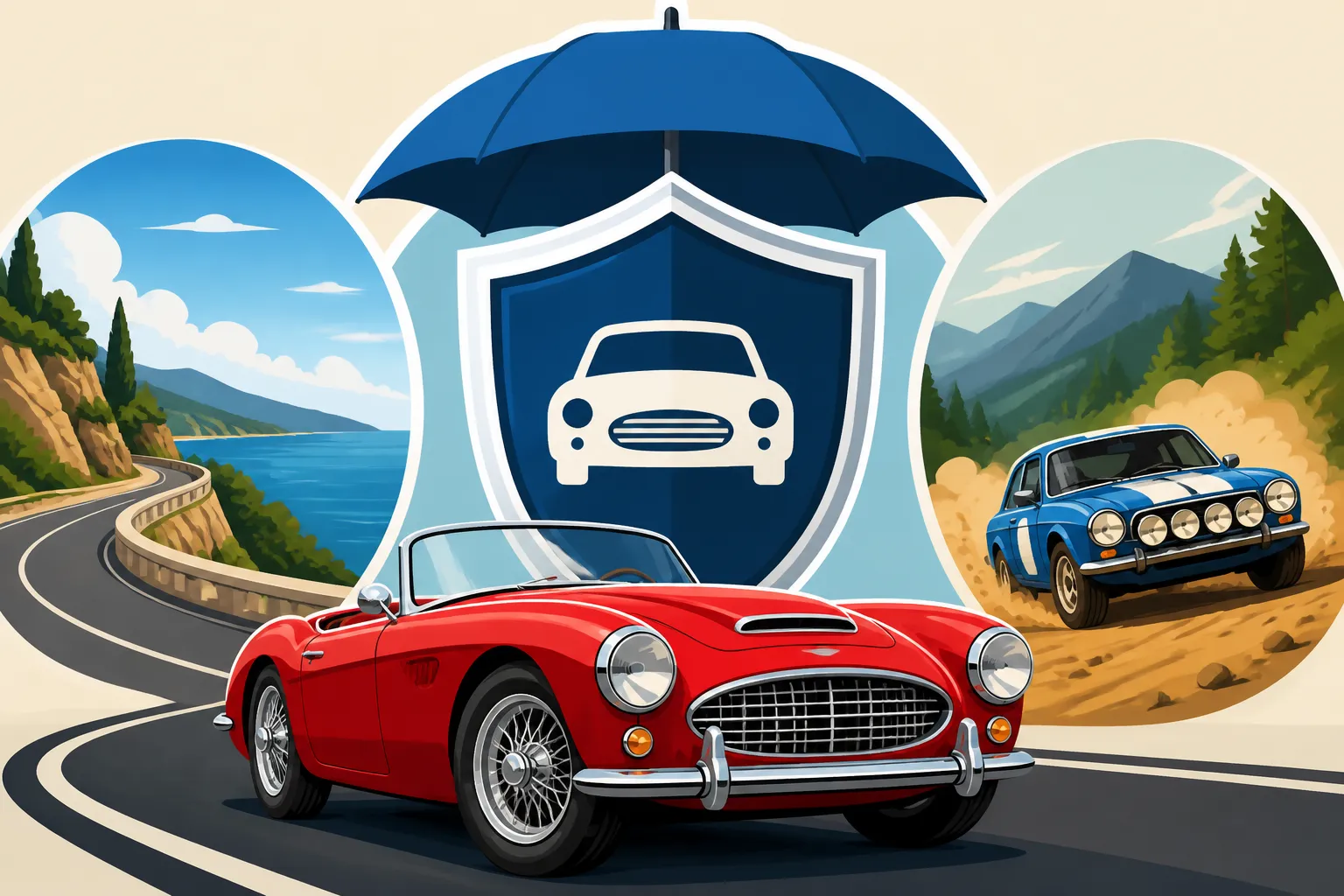
Participating in a classic car tour or rally is an experience unlike any other. It’s a chance to connect with a community of fellow enthusiasts who share your passion for vintage automobiles. Imagine a convoy of meticulously maintained Mustangs, Corvettes, or even charming Volkswagen Beetles winding through scenic routes, stopping at historic landmarks, and sharing stories over roadside meals. These events are often meticulously planned, sometimes spanning several days or even weeks, taking participants through different states or regions.
The joy isn't just in the driving; it's in the camaraderie, the shared adventure, and the opportunity to truly put your classic through its paces. You get to showcase the incredible craftsmanship and history of your vehicle, all while creating unforgettable memories. Whether it's the roar of a big block V8 echoing through a mountain pass or the quiet hum of an electric classic cruising through a vineyard, these events celebrate the spirit of motoring. This is precisely why having the right protection is so crucial – you want to embrace the adventure, not fret over "what ifs."
The Specific Risks Involved
While the allure of a rally is undeniable, it’s vital to be realistic about the inherent risks. Unlike short Sunday drives, tours and rallies involve extended periods on diverse roadways, often far from your usual stomping grounds. This dramatically increases exposure to potential issues.
Consider the practicalities: you’re driving for longer distances, often in a group, which can mean more opportunities for minor scrapes in parking lots, or even more significant incidents like multi-vehicle pile-ups if someone misjudges a turn. Mechanical breakdowns become a much bigger headache when you're 500 miles from your trusted mechanic, possibly in an area with limited specialist support. Theft at an overnight stop or a roadside diner is another concern, as your classic often stands out in a crowd. And let's not forget the simple wear and tear; a long journey can push older components to their limits, leading to unexpected part failures. These aren’t everyday risks for a car that spends most of its time garaged, and your standard classic car insurance needs to acknowledge this heightened risk profile.
Understanding Standard Classic Car Insurance and its Limitations
Most classic car owners are familiar with the concept of specialized insurance, and for good reason. It’s a vastly different beast from your everyday auto policy. However, even within the world of classic insurance, there are nuances that become critical when you decide to take your vintage ride on an extended tour or rally.
Basic Agreed Value Coverage
The cornerstone of almost any good classic car insurance policy is Agreed Value Coverage Explained. Unlike standard policies that use Actual Cash Value (ACV) and factor in depreciation, agreed value means you and the insurer agree on your car's value before the policy begins. If your cherished vehicle is a total loss, you receive that agreed-upon amount, no questions asked, minus your deductible. This is paramount for classics, whose values often appreciate or fluctuate independently of depreciation schedules.
For example, if your pristine 1969 Camaro is valued at $75,000 and you have an agreed value policy for that amount, that's what you'll get if it's totaled. This protection extends to typical perils like theft, collision, and comprehensive damage while the car is stored or on a casual drive. It’s designed to recognize your car as an investment and a passion project, not just a depreciating asset. But as good as this is for basic protection, it often doesn't fully account for the unique demands of a cross-state rally.
Where Standard Policies Fall Short for Rallies
While agreed value is fantastic, many standard classic policies come with restrictions that can quickly become problematic on a long tour or rally. One of the most common limitations you'll encounter is Classic Car Insurance Mileage Limits by State. Many policies are designed for limited, pleasure-use driving, often capping mileage at 2,500 or 5,000 miles per year. A multi-day rally easily eats into, or even exceeds, these limits. Driving beyond your policy’s stated mileage can invalidate claims, leaving you exposed.
Beyond mileage, geographic restrictions are another major pitfall. Some policies might have clauses about where your car can be driven, perhaps limiting coverage to a certain radius from your home, or excluding certain types of unpaved roads. While most major tours stick to paved routes, an unexpected detour or a scenic gravel road could push you outside your coverage parameters. Furthermore, many standard policies explicitly exclude coverage for competitive driving, timed events, or organized rallies, viewing them as higher risk. Even if a rally isn't strictly competitive, the insurer might interpret any organized event as falling under these exclusions. This is why it’s critical to scrutinize the fine print and discuss your specific touring plans with your insurer beforehand.
Essential Coverage for Touring and Rallies
When you're planning to embark on a multi-day or multi-state classic car rally, thinking beyond the basics of agreed value is crucial. Specialty insurance providers understand that collectors want to use their cars, and they offer specific add-ons and endorsements designed to cover the unique scenarios that can arise during these adventures. This isn't just about protecting your car; it's about protecting your entire trip and your peace of mind.
Enhanced Roadside Assistance and Towing
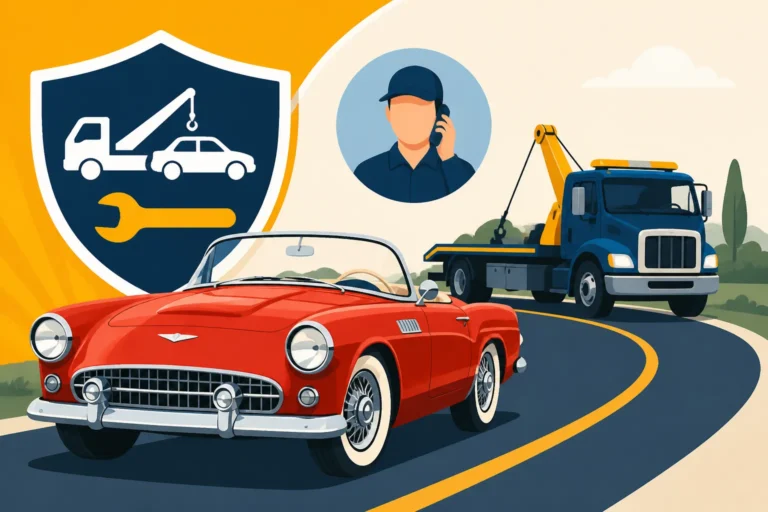
Imagine your magnificent 1957 Chevrolet Bel Air sputtering to a halt on a deserted highway in the middle of a rally, miles from the nearest service station. A standard tow truck might not know how to properly handle a classic car, potentially causing further damage during transport. This is where Roadside Assistance Coverage for Classic Cars Explained becomes your best friend. Enhanced classic car roadside assistance often specifies flatbed towing, which is essential for safely transporting vehicles with low ground clearance or delicate suspensions.
Beyond just the tow, this coverage can include specialized services like tire changes for vintage wheels, fuel delivery, or even battery jump-starts that take into account older electrical systems. Companies like Hagerty understand that a classic car isn't just a vehicle; it's a piece of history that requires careful handling. Without this specialized assistance, you might find yourself stranded, facing exorbitant towing fees, and risking damage to your classic by an ill-equipped operator.
Trip Interruption and Travel Expenses
A classic car rally is often a carefully planned vacation. If your car breaks down hundreds of miles from home, it’s not just the car that’s affected; your entire trip is derailed. This is where Trip Interruption Coverage for Classic Cars Explained comes into play, offering a much-needed safety net. This coverage can reimburse you for unexpected expenses incurred due to a covered breakdown or accident during your trip.
Typically, this might include costs for hotels while your car is being repaired, alternative transportation like a rental car (even if it's not a classic!), and even meals if you're stuck somewhere waiting. Some policies might also cover the cost of flying you and a passenger home if the car needs extensive repairs that would keep you sidelined for an extended period. This coverage transforms a potential nightmare into a manageable inconvenience, allowing you to focus on getting your car fixed rather than stressing about mounting bills.
Increased Liability and Collision Protections
While you might be the most careful driver on the road, accidents can happen, especially when you're navigating unfamiliar territory or driving in close proximity to other vehicles during a rally. Standard liability coverage might be sufficient for a short pleasure drive, but an extended tour increases your exposure to potential incidents. If you're involved in an accident where you're at fault, your liability coverage pays for the other party's bodily injuries and property damage. Given the potential for multi-car incidents during a rally, having higher liability limits is a smart move to protect your assets from a costly lawsuit.
Similarly, while agreed value collision coverage will pay for damages to your own classic, ensuring you have robust collision protection is non-negotiable for rallies. Minor bumps, parking lot scrapes at an event stop, or even debris kicked up on the highway can cause significant damage. Reviewing your collision deductible and ensuring your coverage is comprehensive for all potential road hazards is key. Think about specific rally scenarios, such as navigating tight urban parking for an exhibition stop or being part of a large parade – these situations increase the chances of minor dings or more serious impacts.
Coverage for Spare Parts and Tools
Most dedicated classic car owners accumulate a stash of spare parts, special tools, and restoration equipment. If you're heading out on a multi-day rally, you might bring some of these crucial items along with you, especially if your car is prone to certain quirks. What happens if those valuable spare parts—a specific carburetor, a rare trim piece, or a vintage tool kit—are stolen from your vehicle overnight or lost during transport? Standard policies typically won't cover these items adequately, if at all.
This is why Spare Parts Coverage for Classic Cars Explained is a vital add-on for touring enthusiasts. This endorsement protects your collection of spare parts, tools, and even automobilia that might be traveling with your classic. Policies can offer a specific dollar amount of coverage for these items, whether they are in your trunk, trailer, or even stored in your hotel room. It ensures that the investment you've made in keeping your classic running perfectly, including the backup components, is also protected on the road.
Automobilia and Personal Effects Coverage
Beyond spare parts, a classic car rally often involves bringing a variety of personal items. This could range from vintage maps and rally equipment to your personal belongings, luggage, cameras, or event souvenirs. Many standard auto policies have very limited coverage for personal effects, and a typical homeowner's policy might not extend coverage when these items are outside your home for an extended period, especially if they are stolen from your vehicle.
Specialty classic car insurance policies understand that collectors often have unique items of value, including automobilia – collectibles related to automobiles, such as scale models, vintage signs, or historical documents. An endorsement for automobilia and personal effects can provide specific coverage limits for these items, whether they are stolen from your car, a hotel room, or even damaged during transit. It's about recognizing that your passion extends beyond the car itself and that your belongings need protection throughout your adventure. This type of coverage ensures that your entire rally experience, from your classic car to the treasures you bring and collect along the way, is safeguarded.
Finding the Right Policy and Provider for Your Adventurous Classic
Navigating the world of classic car insurance can feel a bit like reading hieroglyphs sometimes, especially when you're trying to figure out if your beloved vintage ride is truly covered for a cross-country tour or an organized rally. It's not just about getting a policy; it's about getting the right policy, tailored to your unique driving habits and event participation.
Talking to Specialty Insurers
When it comes to insuring a classic car, especially for active use like touring and rallies, traditional insurance companies often fall short. Their systems are built for everyday drivers and depreciating assets, not appreciating works of automotive art. This is precisely why engaging with Best Specialty Classic Car Insurers is so important. Companies like Hagerty, Grundy, American Collectors Insurance, and others specialize exclusively in the collector car market. They "get" it. They understand the nuances of classic car ownership, the value of agreed value coverage, and the desire to actually drive and enjoy these vehicles.
When you speak with a specialty insurer, you're not just explaining why your car needs special coverage; you're talking to someone who already appreciates the passion and investment. They are much more likely to offer flexible mileage programs, specific endorsements for event coverage, and specialized roadside assistance tailored for classics. They’re less likely to balk at the idea of you driving your car across state lines for a week-long rally. It's about finding a partner who shares your enthusiasm and can offer solutions, not just limitations.
Reviewing Policy Specifics
Once you've identified a specialty insurer, the real work begins: diving into the nitty-gritty of the policy documents. Don't skim over the details! Pay particular attention to the sections on usage, mileage, and geographic scope. Does the policy specifically mention coverage for organized tours, rallies, or non-competitive events? If not, ask for an endorsement that does. Some policies might define "pleasure use" broadly enough to include rallies, while others may explicitly exclude them.
You’ll want to confirm the exact mileage limits and how they are tracked. Many policies offer different mileage tiers (e.g., 1,000, 2,500, 5,000 miles per year, or even unlimited mileage for a higher premium). If your planned rally involves covering a significant distance, an unlimited mileage option or a higher tier might be essential. Don't forget to look at any exclusions related to competition or performance events – ensure your chosen rally isn't accidentally classified under these. If you are preparing to get a quote, check out this guide on How to Get a Classic Car Insurance Quote.
What to Ask Your Agent
An experienced agent specializing in classic cars will be your best resource. Don't hesitate to ask detailed questions. Here are a few critical ones to get you started:
- "Does this policy explicitly cover participation in organized classic car tours and rallies, specifically non-competitive ones like [Name of specific rally you plan to join]?"
- "What are the mileage limitations, and can I adjust them if I plan a longer trip?"
- "What kind of roadside assistance is included, and does it guarantee flatbed towing anywhere in the continental U.S.?"
- "Are there any geographic restrictions that would affect my coverage if I'm driving through multiple states?"
- "Do you offer Trip Interruption Coverage for Classic Cars Explained or coverage for personal effects and spare parts if they are stolen or damaged during the trip?"
- "What happens if my car breaks down far from home and needs extensive repairs? What are the options for getting it back?"
Be upfront about your intentions to actively tour and rally your classic. The more transparent you are with your agent, the better they can tailor a policy that truly protects you. Think of it as building a robust safety net around your prized possession. Understanding What to Look for in a Classic Car Policy can also help you frame your questions.
Here's a quick comparison of typical coverage levels for classic car touring and rallies:
| Coverage Aspect | Basic Classic Policy (Limited Touring) | Enhanced Touring Policy (Good for most rallies) | Premium Collector Policy (Extensive travel/events) |
|---|---|---|---|
| Agreed Value | Standard | Standard, often higher limits offered | Standard, highest limits & potential for appreciation guard |
| Mileage Limits | Strict (e.g., 2,500 miles/year) | Flexible (e.g., 5,000+ miles/year or tiered) | Often Unlimited Mileage for active users |
| Roadside Assistance | Basic flatbed towing, limited distance | Flatbed towing, extended distance, specialized | Premium flatbed towing, comprehensive, nation-wide |
| Trip Interruption | Limited or not included | Yes, up to a specified daily/total amount | Yes, generous daily/total amounts, broader scope |
| Spare Parts/Tools Coverage | Limited or not included | Yes, often a specific dollar amount (e.g., $1,000) | Yes, higher limits (e.g., $5,000+), broader items |
| Personal Effects/Automobilia | Limited or not included | Some coverage for in-car personal effects | Comprehensive coverage for personal items & collectibles |
| Event-Specific Coverage | Excludes competitive events | Covers non-competitive tours/rallies explicitly | Covers non-competitive events, potential for some track day options |
| Geographic Scope | Regional or contiguous states | Continental US, Canada (check specifics) | Broader, international options for some insurers |
Ultimately, getting your classic car ready for a tour or rally involves more than just a tune-up and a full tank of gas. It requires a thorough review of your insurance coverage to ensure that every mile you drive is protected. With the right Classic Car Insurance Add-Ons and Endorsements from a specialty provider like Hagerty, you can hit the road with confidence, knowing that your passion is safeguarded against the unexpected. If you're looking to put together comprehensive protection, consider reading about How to Build a Complete Classic Car Policy. Taking these proactive steps allows you to fully immerse yourself in the experience, enjoying the journey and the memories you're making with your incredible classic vehicle.
Disclaimer
Please remember that insurance policies vary widely. The information provided here is for general informational purposes only and does not constitute professional insurance advice. You should always consult with a qualified insurance professional or agent to discuss your specific needs and review policy documents before making any purchasing decisions.