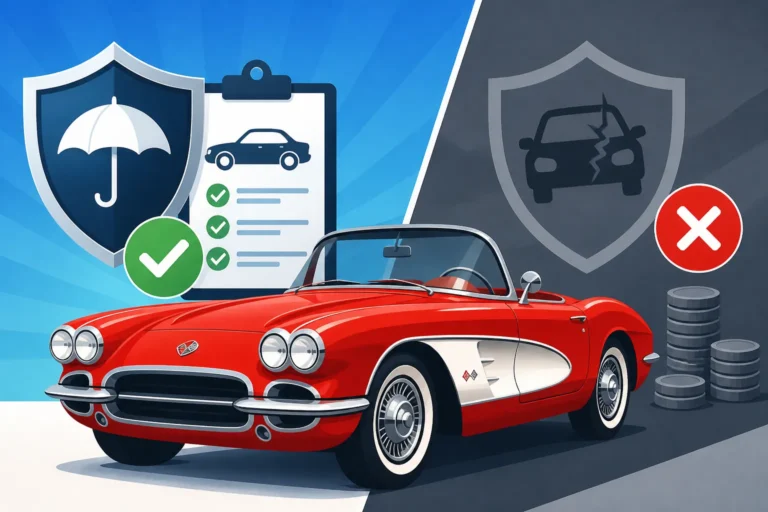
Coverage Differences for Kit Cars
Owning a kit car is a truly special experience, a testament to craftsmanship, vision, and often, countless hours of personal dedication. But let's be honest, trying to find the right insurance for your one-of-a-kind creation can feel like navigating a maze blindfolded. Standard insurance companies often don't quite "get" what makes your kit car so valuable, leading to frustrating conversations and inadequate coverage. This comprehensive guide will walk you through the essential coverage differences for kit cars, ensuring your passion project is properly protected.
Understanding What Makes Kit Cars Unique for Insurance
The journey of a kit car, from a box of parts to a roaring machine, is unlike any factory-produced vehicle. This unique genesis presents a specific set of challenges and considerations when it comes to insurance. It's not just a car; it's a labor of love, a custom build, and that needs to be reflected in how it's valued and protected.
The "Build" vs. "Manufactured" Dichotomy
When you talk to a conventional insurance company about a kit car, you'll quickly encounter a fundamental disconnect. They're wired to insure vehicles with a standardized Vehicle Identification Number (VIN) issued by a major manufacturer, a clear make and model year, and an established market value based on thousands of identical cars. Your kit car, on the other hand, might have a state-issued VIN, or one from the kit manufacturer, and it's certainly not "standard."
This difference in origin means that traditional insurers often struggle to categorize your vehicle. Is it a custom-built car? A replica? A special construction? Each designation can impact how they assess risk and, more importantly, how they'd pay out in the event of a claim. They might try to pigeonhole it into a "modified car" category, which often comes with higher premiums and less tailored coverage than a specialist understands. The real frustration often comes from explaining that the sum of its bespoke parts and your intricate labor far exceeds what any standard "book value" might suggest for its components.
Valuation Challenges with Kit Cars
One of the biggest hurdles for kit car owners is establishing a fair value for their pride and joy. How do you quantify the worth of something that doesn't have a Kelley Blue Book or NADA guide entry? You've poured your heart, soul, and often a significant amount of money into sourcing unique parts, fabricating custom elements, and assembling everything with meticulous care. This isn't just about the cost of parts; it's about the expertise and effort involved.
Traditional insurers typically rely on Actual Cash Value (ACV), which pays out the replacement cost minus depreciation. For a kit car, this approach is disastrous. Imagine your carefully constructed replica Cobra being assessed based on the depreciated value of its individual, off-the-shelf components, rather than its true, assembled value as a finished collectible. You'd be left significantly short-changed, unable to rebuild or replace your unique vehicle. This is precisely why understanding specialty coverage is so critical for any kit car enthusiast.
Key Coverage Types for Kit Cars
Because of their unique nature, kit cars demand a different kind of insurance coverage than your everyday sedan. You're not just looking for basic protection; you need a policy that understands and values the individuality and investment you've put into your vehicle. Specialty insurers are designed for this exact purpose, offering bespoke policies that cater to the unique needs of collectors and builders.
Agreed Value Coverage: A Non-Negotiable for Kit Cars
This is, without a doubt, the single most important type of coverage for any kit car owner. With Agreed Value Coverage Explained, you and your insurance provider establish and agree upon your car's value before the policy is issued. This agreed amount is what you will receive if your kit car is declared a total loss, regardless of market fluctuations or depreciation. It takes the guesswork and heartache out of a potential claim, ensuring you're compensated for your full investment.
Contrast this with the "Actual Cash Value" (ACV) model often used by standard insurers, which pays out the replacement cost minus depreciation. For a kit car, this could mean being offered a fraction of what it cost you to build or what it's truly worth. Another common trap is "Stated Value" coverage, which sounds good on the surface but typically allows the insurer to pay the "stated value" or the actual cash value, whichever is less. This leaves the door open for them to pay you less than you "stated" if they deem the ACV lower. For your unique, hand-built kit car, agreed value coverage through a specialty provider like Hagerty is truly the only way to safeguard your financial and emotional investment. It recognizes the unique value you've created, not just the depreciated cost of its parts.
Restoration and Vehicle Under Construction Coverage
Many kit cars are not just "bought," they are meticulously built over months or even years. During this "vehicle under construction" phase, your investment grows with every new component added, every custom fabrication, and every hour of labor. Standard auto insurance policies are absolutely not designed to cover a car that's in various stages of assembly, often disassembled in a garage. They insure a finished, roadworthy vehicle, not a collection of valuable parts.
Specialty classic car insurance offers dedicated Restoration Coverage for Classic Cars that evolves with your project. This coverage protects your parts, materials, and even the labor invested during the build process. As your kit car progresses from a frame and boxes of parts to a rolling chassis and eventually a completed vehicle, you can typically update its agreed value to reflect the increasing investment. Imagine an accidental fire in your garage while your car is half-built. Without this specialized coverage, you'd likely lose everything you've poured into it. This protection is vital for anyone who views their kit car as an ongoing project and a dynamic investment.
Spare Parts and Tools Coverage
Kit car enthusiasts know that the project often extends beyond the car itself. You might have a collection of specific, hard-to-find, or custom-fabricated spare parts, components, or specialized tools that are crucial for completing or maintaining your vehicle. These aren't just generic wrenches; they might be vintage carburetors, a custom-built differential, or a rare trim piece.
Regular home insurance might offer minimal coverage for tools, but it rarely accounts for the specific value and scarcity of classic car parts. Specialty policies for kit cars often include options for Spare Parts Coverage Explained. This ensures that if these valuable components, whether stored in your garage or at a restoration shop, are damaged, lost, or stolen, they are covered up to a specified amount. This adds another crucial layer of protection, recognizing that the ecosystem around your kit car is just as important as the car itself.
Usage and Storage Considerations for Kit Car Insurance
Insurance for kit cars, like most classic vehicles, isn't just about what it is, but also how it's used and stored. Specialty insurers understand that these aren't daily commuters; they are cherished possessions brought out for specific purposes and carefully put away afterward. Adhering to these usage and storage guidelines not only qualifies you for specialized coverage but often results in significantly lower premiums.
Limited Mileage and Pleasure Use Restrictions
One of the key reasons classic car insurance, including for kit cars, is often more affordable than standard auto insurance is the understanding that these vehicles are not driven extensively. Specialty policies almost universally include Pleasure-Use Requirement Explained. This means your kit car is intended for leisurely drives, car shows, club events, and parades – not for daily commuting, running errands, or general transportation. The less time your valuable vehicle spends on the road, the lower the risk of an accident, and insurers factor this into your rates.
Most specialty policies will come with Classic Car Insurance Mileage Limits by State, typically ranging from 2,500 to 5,000 miles per year, sometimes even less for extremely rare or valuable builds. While this might sound restrictive, for many kit car owners, it's more than enough to enjoy their vehicle without pushing it into daily driver territory. It's a fundamental part of the classic car insurance model, and adhering to these limits is key to maintaining your coverage and keeping your premiums manageable. Be realistic about how much you actually drive your kit car, as this will directly influence your policy options.
Secure Storage Requirements
The safety and security of your kit car when it's not in use is paramount to specialty insurers. It's not just about protecting your investment; it's about minimizing the risk of theft, vandalism, or environmental damage. This is why Garage Storage Requirement for Classic Cars is a virtually universal stipulation for these policies. Insurers expect your kit car to be stored in a secure, enclosed, and locked facility, typically a private garage, whether attached to your home or a detached structure.
Leaving a kit car, especially a valuable one, parked on the street or in an open carport is generally a non-starter for specialty insurance. The added security of a garage provides protection from the elements, opportunistic thieves, and accidental damage. Some insurers might even offer discounts for additional security measures, like alarm systems or surveillance in your garage. Think of your garage as an extension of your kit car's protection – a vital component in keeping it safe and insurable under a specialty policy.
Navigating the Application Process for Kit Car Insurance
Getting the right insurance for a kit car can seem daunting, but armed with the right knowledge and documentation, it's a straightforward process, especially when dealing with specialty providers. They're accustomed to these unique vehicles and are far better equipped to understand and value your specific build.
The Importance of Documentation and Appraisals
Because kit cars lack a standard market value, proving their worth and unique characteristics is crucial during the insurance application process. You'll need to provide thorough documentation, much more than you would for a conventional car. This includes:
- Detailed build sheets or receipts: Keep meticulous records of all parts purchased, particularly high-value components, and any professional labor costs.
- Photos: Document the entire build process from start to finish. Before and after photos, as well as images of key stages, help illustrate the effort and quality of the construction.
- Specifications: A comprehensive list of your kit car's specifications, including engine type, transmission, custom features, and performance modifications.
- Professional Appraisal: For higher-value kit cars or complex builds, a professional appraisal from a qualified classic car appraiser is highly recommended, and often required by insurers. This independent valuation helps establish a credible Appraisal Requirements for Classic Car Insurance and justifies your requested agreed value.
Providing a complete and well-organized package of documentation demonstrates your commitment to your vehicle and gives the insurer confidence in the agreed value you're seeking. It removes ambiguity and allows them to properly assess the risk and value. If your car is still a work in progress, make sure to keep updating your records as you add value.
Choosing the Right Specialty Insurer
This is perhaps the most critical step for any kit car owner. Attempting to insure a kit car with a standard auto insurance company is often an exercise in frustration and almost always leads to inadequate coverage. These companies simply aren't set up to understand or correctly value unique, custom-built vehicles. They'll either decline coverage, offer an exorbitant premium, or provide a policy based on Actual Cash Value that won't come close to replacing your car if it's totaled.
Instead, focus exclusively on Best Specialty Classic Car Insurers like Hagerty, Grundy, or American Collectors Insurance. These companies specialize in collector vehicles, including kit cars, replicas, and custom builds. They employ staff who understand the passion, the craftsmanship, and the market for these unique machines. They know what agreed value coverage means, how to handle cars under restoration, and how to properly assess the unique risks associated with non-factory vehicles. They also understand the Kit Car and Replica Insurance Requirements specific to these vehicles.
When you reach out to a specialty insurer, you'll find they speak your language. They'll ask the right questions about your build, your storage, and your usage, and they'll be able to craft a policy that truly protects your investment. While the requirements might seem detailed, remember that it's all in service of providing you with comprehensive, accurate protection for your cherished kit car.
Here's a quick comparison of standard vs. specialty insurance for kit cars:
| Feature/Coverage | Standard Auto Insurance (Typical) | Specialty Classic Car Insurance (Recommended) |
|---|---|---|
| Valuation | Actual Cash Value (ACV) – market value minus depreciation | Agreed Value – fixed amount agreed upon upfront |
| Eligibility | Focuses on manufactured cars, often rejects kit cars or charges high rates | Designed for unique, custom, and collectible vehicles |
| Coverage for Build | None for cars under construction or parts | Restoration Coverage for Classic Cars available, covers parts & labor |
| Spare Parts Coverage | Limited to none | Spare Parts Coverage Explained often included or as an add-on |
| Usage | Daily driving assumed, higher premiums | Pleasure-Use Requirement Explained, limited mileage, lower premiums |
| Storage | Less strict, doesn't prioritize secure storage | Garage Storage Requirement for Classic Cars (enclosed, locked) required |
| Appraisal | Not typically required or valued | Appraisal Requirements for Classic Car Insurance often recommended/required |
| Paddock/Show Use | Generally excluded | Coverage for shows, tours, and club events often included |
| Claims Process | Standardized, might not understand custom work | Experienced with unique vehicles, understands custom work's value |
Disclaimer
Please remember that this article provides general information and guidance. Insurance policies and requirements can vary significantly based on your specific vehicle, location, and the insurer. Always consult with a qualified insurance professional to discuss your individual needs and to obtain a personalized quote and policy.