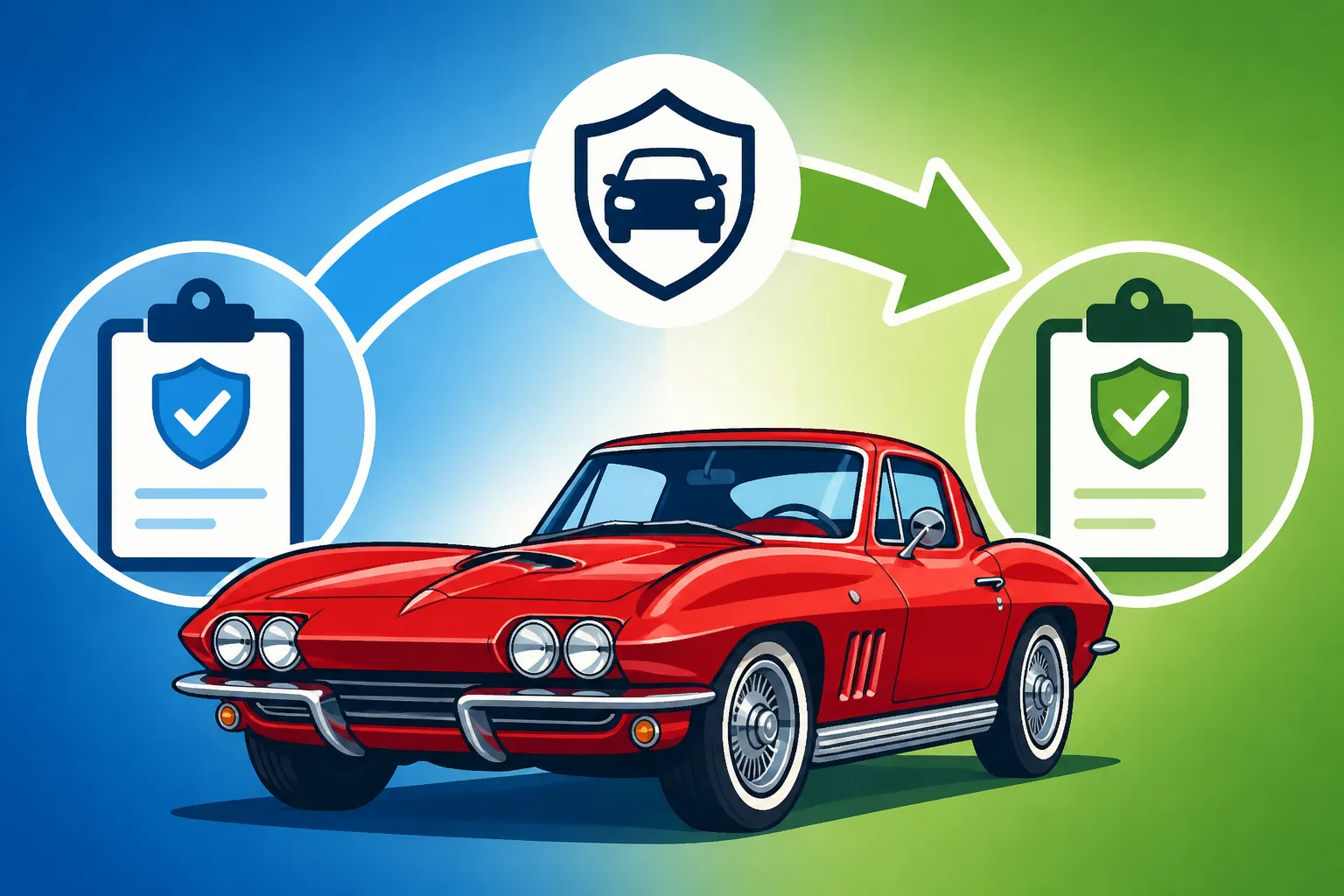
How to Transfer Classic Car Insurance
Dealing with insurance can feel like navigating a maze, and when it comes to your beloved classic car, the process of "transferring" your policy can be even more confusing than a standard daily driver. Many collectors find themselves scratching their heads, wondering if they can simply move their existing coverage to a new car, a new owner, or even a new company without a hitch. The reality is, it's rarely a straightforward transfer like flipping a switch. This guide aims to demystify the process, walking you through the various scenarios and crucial steps to ensure your prized possession remains properly protected, no matter the change.
Why "Transferring" Classic Car Insurance Isn't Like Regular Auto Insurance
When we talk about transferring classic car insurance, it's important to understand that it's rarely a direct, seamless carry-over from one situation to another. Unlike your modern sedan's policy, which often just needs an updated VIN or driver's license, classic car insurance is built on a foundation of unique valuation, usage, and storage parameters. These specific criteria make a simple "transfer" less of a copy-paste and more of a re-evaluation process.
The Nuances of Valuing Collectibles
One of the biggest distinctions lies in how classic cars are valued for insurance purposes. With a regular car, you're usually looking at Actual Cash Value (ACV), which factors in depreciation. That means if your daily driver is totaled, the payout will be its market value at the time of loss, minus depreciation. For a classic, however, that just doesn't cut it. Classic cars often appreciate, or at least hold their value, and finding comparable replacements can be a nightmare.
This is where specialized classic car insurance, particularly policies with agreed value coverage, shines. An agreed value policy means that you and your insurer agree on the car's worth before the policy is issued. If a total loss occurs, you receive that agreed-upon amount, no questions asked about depreciation. This is a monumental difference compared to standard policies, which is why understanding the nuances of how classic cars are valued for insurance, comparing Agreed Value vs Stated Value vs Actual Cash Value, is crucial. When you're "transferring" your classic car's insurance, a new provider will want to establish a new agreed value, often requiring fresh documentation or even an appraisal to ensure they're on the same page about your car's true worth. This isn't just a formality; it directly impacts your premium and, more importantly, your potential payout in a worst-case scenario.
Special Requirements and Usage Restrictions
Classic car insurance isn't just about how much your car is worth; it's also about how you use and store it. These policies are typically much more restrictive than standard auto insurance precisely because they offer better rates and superior coverage terms like agreed value. Insurers assume a lower risk profile for classics because they're not daily driven.
Common requirements include limited annual mileage, often capping at 2,500 to 5,000 miles, strict garage storage mandates, and a "pleasure use" clause, meaning the car is primarily used for shows, parades, or occasional leisure drives, not commuting or errands. These specific criteria form the core of Classic Car Insurance Eligibility Requirements. If you're "transferring" your insurance to a different state, for instance, or planning to change how you use or store the car, your new policy (or even an updated policy with the same insurer) will need to reflect these changes. What might have been acceptable under one policy or with one insurer might not fly with another, requiring a complete re-evaluation of your vehicle's eligibility and usage parameters. For example, some policies might be more flexible with occasional extended tours, while others are very rigid about mileage.
Scenarios That Trigger a Classic Car Insurance Transfer
The term "transfer" can apply to a few different situations, each with its own set of considerations and steps. Understanding these common scenarios will help you prepare for the specific actions you'll need to take to keep your classic protected.
Switching Insurance Providers
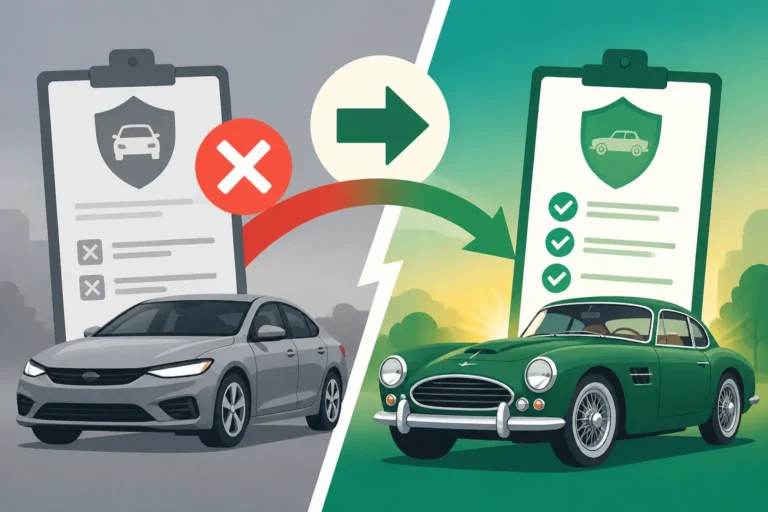
Perhaps the most common reason collectors think about "transferring" their classic car insurance is when they decide to switch to a new insurance provider. Maybe your current rates have crept up, or you've heard fantastic things about another specialty insurer like Hagerty or Grundy, or perhaps your needs have simply changed, and your current policy no longer offers the comprehensive coverage or flexibility you desire. This isn't so much a transfer as it is initiating a brand-new policy with a different company and then canceling your old one.
The motivations for switching can be varied. You might be looking for more robust roadside assistance specifically designed for classic vehicles, or perhaps better coverage for spare parts you're accumulating for a restoration project. Many collectors find themselves comparing options from various specialty insurers to ensure they're getting the best value and protection tailored to their unique collection. The process for How to Switch Classic Car Insurance Companies involves careful timing and planning to avoid any gaps in coverage, ensuring your classic is continuously protected from the moment you leave your old insurer until your new policy is fully active. It's a fresh start, not a simple migration of data.
Buying a New Classic Car
The thrill of acquiring a new classic car is undeniable, whether it's a barn find you're bringing back to life or a perfectly restored showpiece. But amidst the excitement, insuring that new acquisition is a critical step that often feels like a "transfer" of your existing classic car insurance knowledge and processes. You can't just assume it's covered under your existing policy for other classics.
When you purchase a new vehicle, even if you already have a classic car policy, you typically need to actively add it to your coverage. Some policies might offer a brief grace period (e.g., 30 days) of automatic coverage for newly acquired vehicles, but this is usually limited to liability and only applies if all your vehicles are already insured with them. For a classic, you'll want to get specific agreed value coverage in place as soon as possible. This involves providing details about the vehicle, its condition, and its intended use. Understanding How to Add a Newly Purchased Classic to your existing policy, or initiating a new policy for it, is paramount. You'll need to provide the VIN, photos, and possibly a bill of sale or appraisal to establish its initial agreed value with your insurer. Don't wait until you've driven it home; ideally, coverage should be secured before you even take possession.
Selling or Gifting a Classic Car
On the flip side of acquiring a new classic is the decision to sell or gift one of your cherished vehicles. In this scenario, "transferring" classic car insurance really means removing the vehicle from your policy and ensuring the new owner is responsible for their own coverage. While your emotional attachment might remain, your legal and financial responsibility for the car ends once it's no longer yours.
When you sell or gift a classic, it's crucial to remove it from your policy promptly. This isn't just to save on premiums; it's to prevent any liability issues if the new owner gets into an accident before securing their own insurance. You don't want to find yourself in a situation where someone else's incident reflects poorly on your claims history. It’s also wise to get proof of insurance from the new owner, especially if they are a friend or family member, before you hand over the keys and title. Confirming the cancellation with your insurer is the final step, ensuring there are no lingering ties to the vehicle on your record.
The Step-by-Step Process for a Smooth Transfer
Regardless of why you're "transferring" your classic car insurance, following a structured approach will save you headaches and ensure continuous, appropriate coverage for your valuable asset.
Assessing Your Current Policy and Needs
Before you even think about engaging with a new insurer or making changes, take a deep dive into your current classic car insurance policy. Many collectors simply renew year after year without truly understanding the intricacies of their coverage. This initial assessment is your chance to become intimately familiar with what you currently have and, more importantly, what you truly need moving forward.
Start by pulling out your policy documents. Look at the agreed value for each of your classics. Is it still accurate, given market trends or recent restorations? Review your mileage limits – are you consistently under, or are you pushing the boundaries? What specific coverages do you have: comprehensive, collision, roadside assistance, spare parts, restoration coverage? Note your deductible amounts and any specific endorsements. Understand your current insurer’s cancellation policy – are there any fees for canceling mid-term, and how much notice do they require? This detailed review will illuminate any gaps or redundancies in your current protection and help you articulate exactly What to Look for in a Classic Car Policy from a new provider. Perhaps you've never had lay-up coverage for winter storage, but now your plans have changed, and it's a feature you absolutely require. This step sets the foundation for informed decision-making.
Getting Quotes and Choosing a New Provider
Once you have a clear picture of your current coverage and future needs, it’s time to shop around. This is where the real "transfer" work begins, even if it's more accurately "setting up new coverage." The market for classic car insurance is specialized, dominated by a handful of reputable providers who truly understand the unique aspects of collector vehicles.
Your goal here is to gather comprehensive quotes from several specialty insurers, not just one. Companies like Hagerty, Grundy, American Collectors Insurance, American Modern, Heacock Classic, J.C. Taylor, Leland-West, and Condon & Skelly are prominent players in this space. They each have slightly different underwriting guidelines, coverage options, and pricing structures. When requesting a quote, be prepared to provide detailed information about your classic, including its make, model, year, VIN, condition (concours, excellent, good, fair), storage location, estimated annual mileage, and any modifications. For a deep dive into what information you'll need, check out How to Get a Classic Car Insurance Quote. Don't just compare the bottom-line premium; scrutinize the agreed value offered, the deductible options, and the inclusion of critical endorsements like spare parts coverage or inflation guard. A slightly higher premium might come with a significantly better agreed value or more flexible usage terms. Use a comparison checklist to weigh the pros and cons, effectively comparing Classic Car Insurance Companies Compared side-by-side to make the most informed decision for your prized possession.
Initiating New Coverage and Canceling the Old
This is arguably the most critical juncture in the "transfer" process: ensuring a seamless transition without any lapse in coverage. A single day without insurance could expose your classic to significant financial risk, so timing is everything.
First, lock in your new policy. Once you've chosen a new provider, complete all the necessary paperwork and make your initial payment to activate the policy. Double-check the effective date and time of your new coverage. This is paramount. For example, if your new policy starts at 12:01 AM on April 1st, make sure your old policy doesn't expire until after that time. A common pitfall is canceling the old policy prematurely, leaving a gap where your classic is uninsured. Once your new policy is firmly in place and active, then you can formally cancel your old policy. Contact your previous insurer directly via phone or in writing (many require written notice) to cancel your policy. Reference your old policy number and state the exact date and time you wish for the cancellation to be effective. For detailed advice, read up on How to Cancel Classic Car Insurance to avoid any missteps. Request confirmation of cancellation in writing. If you've paid premiums in advance, you should be eligible for a pro-rata refund for any unused coverage, though some policies might have a small cancellation fee.
Key Considerations and Potential Pitfalls
Navigating the intricacies of classic car insurance requires more than just filling out forms. There are several critical considerations and potential pitfalls that, if overlooked, can lead to significant financial exposure or unnecessary headaches.
Avoiding Coverage Gaps
The last thing any classic car owner wants is to discover their cherished vehicle isn't covered after an incident. A coverage gap occurs when your old policy is canceled before your new one becomes active, leaving a period where your car is entirely uninsured. Even a few hours can be disastrous if an accident, theft, or natural disaster occurs. Imagine your newly acquired classic being transported home when a fender bender happens, only to find neither your old nor new policy is active.
To avoid this, meticulous planning and coordination with both your old and new insurers are essential. Always ensure your new policy has an effective start date and time before your old policy's expiration date and time. It might mean a slight overlap of a day or two, where you're technically paying for two policies, but that minor expense is a small price to pay for peace of mind. Confirm the exact moment your new policy kicks in, right down to the hour. If you're physically taking possession of a new vehicle, arrange for coverage to be active before you even get behind the wheel. The stakes are much higher with classics, given their value and rarity. For more in-depth strategies, consult How to Avoid a Coverage Gap When Switching insurance policies. It's not just about liability; it's about protecting your significant investment.
Updating Agreed Value and Documentation
When you transfer your classic car insurance to a new provider, or even when renewing with the same one after significant changes, the agreed value is often revisited. This isn't just a simple re-keying of numbers; it's a fresh assessment of your vehicle's worth, and it requires your active participation. Your new insurer will want to verify the value of your classic to ensure they are insuring it appropriately.
This often means providing updated documentation, even if you’ve had an appraisal done recently. Insurers will typically require current photographs of the vehicle from various angles, documentation of any recent restorations, upgrades, or significant maintenance, and potentially an updated appraisal from a certified classic car appraiser. Some specialty insurers, like Hagerty, have in-house valuation tools that can help estimate value based on market data, but for higher-value or highly customized vehicles, an independent appraisal is usually recommended. This process is crucial because it directly affects your premium and, more importantly, the amount you would receive in the event of a total loss. Understanding How Classic Car Appraisals Work for Insurance can give you a significant advantage in this process, ensuring your car is valued accurately and fairly. Don't be afraid to provide extensive documentation; it only helps solidify your car's agreed value.
Understanding Pro-Rata Refunds and Penalties
When you cancel a classic car insurance policy mid-term, you're usually entitled to a refund for the unused portion of your premium. This is known as a pro-rata refund. However, it's not always a straightforward calculation, and sometimes penalties can apply.
Most standard auto policies and many classic car policies will issue a pro-rata refund, meaning they calculate the exact amount of premium you've paid for future coverage that won't be used and return it to you. For example, if you paid for a full year of coverage at $500 and cancel exactly halfway through, you'd expect a refund of $250. However, some insurers might impose a short-rate cancellation penalty, especially if you cancel very early in the policy term or if you're deemed to have canceled purely to switch to a cheaper rate elsewhere. This penalty might be a flat fee or a calculation that reduces your refund slightly below the strict pro-rata amount. Always review your policy's terms and conditions regarding cancellations or ask your current agent about their specific refund policies before making a switch. Knowing what to expect regarding refunds or potential fees can help you budget and plan your "transfer" more effectively.
Specific Scenarios and How to Handle Them
The concept of "transferring" classic car insurance can mean different things depending on your unique situation. Let's delve into some specific scenarios that often arise for collectors.
Transferring to a Family Member
Gifting or selling a classic within the family is a common occurrence. Perhaps your son or daughter is ready to take on the legacy of your cherished Mustang, or maybe you're passing a collector car down to a grandchild. While this might seem like a simple change of name on a policy, it usually involves initiating a new policy with a new primary driver.
Insurance companies underwrite policies based on the primary driver's profile, including their driving record, age, and experience. If the classic is being "transferred" to a younger driver in the household, for instance, this will almost certainly trigger a re-evaluation of the premium and potentially the eligibility for classic car coverage altogether. Many specialty classic car insurers have specific Minimum Age for Classic Car Insurance Drivers or require a certain level of driving experience. Even if the car stays in the same garage, the new primary driver's details—such as their driving history, other vehicles they own, and even their credit-based insurance score—will factor heavily into the new policy's cost and terms. It's crucial for the new owner to secure their own classic car insurance policy tailored to their circumstances, ensuring they meet all the eligibility requirements for specialty coverage. This also clarifies who is financially responsible for the vehicle.
Transferring Insurance for a Car Under Restoration
The journey of restoring a classic car is a labor of love, but it also presents unique insurance challenges. During the restoration process, the car's value can fluctuate significantly, and its risk profile changes dramatically, especially if it's disassembled or stored in various workshops. "Transferring" insurance for a car under restoration isn't about moving a policy, but adapting it to reflect the evolving state of the vehicle.
Standard classic car policies might not adequately cover a car that's in pieces or undergoing extensive work. This is where specialized restoration coverage for classic cars comes into play. This type of coverage typically accounts for the value of parts, labor, and materials as they are invested into the vehicle, allowing the agreed value to increase as the restoration progresses. It also often includes coverage for the car while it's at a shop, in transit between locations, or even for specific components stored separately. If you're acquiring a project car that's already mid-restoration, or if you're moving your restoration project to a new insurer, you'll need to clearly communicate the vehicle's current state and your projected restoration costs. Make sure your policy explicitly includes provisions for a vehicle under construction. For comprehensive guidance, you should research Restoration Coverage for Classic Cars to ensure every nut, bolt, and hour of labor is properly protected throughout its rebirth.
Transferring a Policy with Multiple Classics
For serious collectors, owning multiple classic cars is a common joy. But managing separate insurance policies for each can quickly become cumbersome and potentially more expensive. This is where the idea of "transferring" or, more accurately, consolidating your classics under a multi-car collector policy becomes highly advantageous.
Many specialty insurers offer multi-car policies designed for collectors. These policies allow you to list several classic vehicles under a single insurance agreement, often simplifying administration and leading to potential discounts. Instead of individual policies that might have varying renewal dates or terms, a multi-car policy streamlines everything into one comprehensive package. When you're adding a new classic to an existing collection or switching your entire collection to a new insurer, you're not "transferring" individual policies; you're building a new, unified policy. This involves providing details for each vehicle, ensuring each has an appropriate agreed value, and consolidating them under one master policy. This approach can be far more efficient and cost-effective than managing disparate policies. Learn more about How to Insure Multiple Classic Cars to optimize your coverage and potentially save on premiums while keeping your entire collection protected under one robust umbrella.
| Scenario | Key Action Needed | Considerations | Common Pitfalls |
|---|---|---|---|
| Switching Providers | Obtain new quotes, activate new policy, then cancel old. | Compare agreed value, coverage types, mileage limits. | Coverage gaps, unexpected cancellation fees. |
| Buying a New Classic | Add vehicle to existing policy or initiate a new one. | Timeliness (insure before taking possession), documenting agreed value. | Driving uninsured, underinsuring the new acquisition. |
| Selling/Gifting a Classic | Remove vehicle from your policy, confirm new owner has coverage. | Timing of removal, confirming cancellation with insurer. | Remaining liable, new owner driving uninsured. |
| Family Member Transfer | New owner applies for their own classic policy. | New driver's eligibility, age requirements, driving record impact on rates. | Assuming coverage continues, improper ownership transfer. |
| Car Under Restoration | Ensure restoration coverage is active, update value as work progresses. | Documenting progress, transit coverage, parts coverage. | Inadequate coverage for increasing value or stored parts. |
| Multi-Car Collection | Consolidate all classics under one multi-car collector policy. | Ensuring each vehicle has proper agreed value, overall collection discounts. | Managing multiple separate policies inefficiently. |
Disclaimer
The information provided in this guide is for general informational purposes only and does not constitute professional insurance advice. Classic car insurance policies and requirements can vary significantly by state, insurer, and vehicle type. Always consult with a qualified classic car insurance specialist or agent to discuss your specific needs and obtain personalized recommendations before making any insurance decisions.