How to Document Your Classic’s Condition
It’s a heart-stopping moment for any classic car enthusiast: the thought of an accident, a theft, or even a natural disaster impacting your prized vehicle. Even worse is the dread of battling an insurance company, trying to prove your car’s true worth when a claim arises. Many owners find themselves caught off guard, scrambling for evidence when it's too late. This guide is here to alleviate that stress, walking you through a meticulous process to thoroughly document your classic car's condition, ensuring your investment is fully protected.
Why Meticulous Documentation Matters for Classic Car Insurance
Let's face it, your classic isn't just a car; it's a piece of history, a labor of love, and often, a significant financial investment. Unlike a modern daily driver, whose value depreciates rapidly, your classic likely holds its value or even appreciates. That's why generic insurance approaches simply won't cut it. Meticulous documentation isn't just a nice-to-have; it's absolutely crucial for securing the right coverage and a fair payout if the worst happens.
Protecting Your Investment with Agreed Value
One of the biggest frustrations for classic car owners is the fear that their pride and joy will be undervalued by insurance. This is where the concept of "Agreed Value" coverage becomes your best friend, and robust documentation is its backbone. With an agreed value policy, you and your insurer, like a specialist provider such as Hagerty, agree on your car's value before the policy goes into effect. If your car is ever deemed a total loss, you receive that agreed-upon amount, no questions asked, no depreciation calculations. It's a stark contrast to "Actual Cash Value" policies used for regular cars, which pay out based on market value at the time of loss, often leaving classic owners severely underpaid.
Imagine you've poured countless hours and dollars into restoring a 1967 Mustang Fastback, bringing it back to concours condition. You’ve replaced every worn part with period-correct components, painstakingly applied the correct paint, and brought the engine bay to showroom gleam. Without solid documentation – receipts, photos, and an appraisal – proving that the car is worth $85,000, not just the $30,000 a standard adjuster might assume, would be a nightmare. Proper documentation backs up your agreed value claim, ensuring that if that beautiful Mustang were ever totaled, you'd receive the full $85,000, allowing you to either replace it or recover your investment. This is the peace of mind that Agreed Value Coverage Explained truly offers.
Speeding Up the Claims Process and Avoiding Disputes
Beyond securing a fair payout for a total loss, detailed documentation significantly smooths out the claims process for partial damages. Nobody wants to spend weeks or months arguing with an insurance adjuster about the extent of damage or the quality of components on their classic. With comprehensive records, you provide undeniable proof of your vehicle's condition before the incident.
Consider a scenario: a tree branch falls on your rare 1957 Chevrolet Bel Air during a storm, causing denting and paint damage. If you have clear, dated photos from just a few months prior, showing the immaculate, show-quality paint job and body panels, the adjuster can immediately see the "before" state. This dramatically reduces the need for lengthy investigations or disputes over whether a scratch was pre-existing or if a panel was already imperfect. Your documentation acts as a clear, objective benchmark, allowing your insurer to quickly assess the damage and approve repairs, or in the case of a complete loss, pay out your agreed value without delay. This proactive approach saves you immense stress and ensures your beloved classic gets the attention it deserves quickly.
Essential Elements of Comprehensive Documentation
When it comes to documenting your classic, think like a detective assembling a case. You want to gather every possible piece of evidence that paints a complete and undeniable picture of your car's condition, history, and value. This isn't just about taking a few snapshots; it's about building a robust portfolio.
The Power of Photography and Video
In the world of classic cars, a picture truly is worth a thousand words, and a video can be worth even more. Visual documentation is often the most persuasive evidence you have, proving the "before" condition of your vehicle. Don't skimp here; dedicate time to creating an exhaustive visual record.
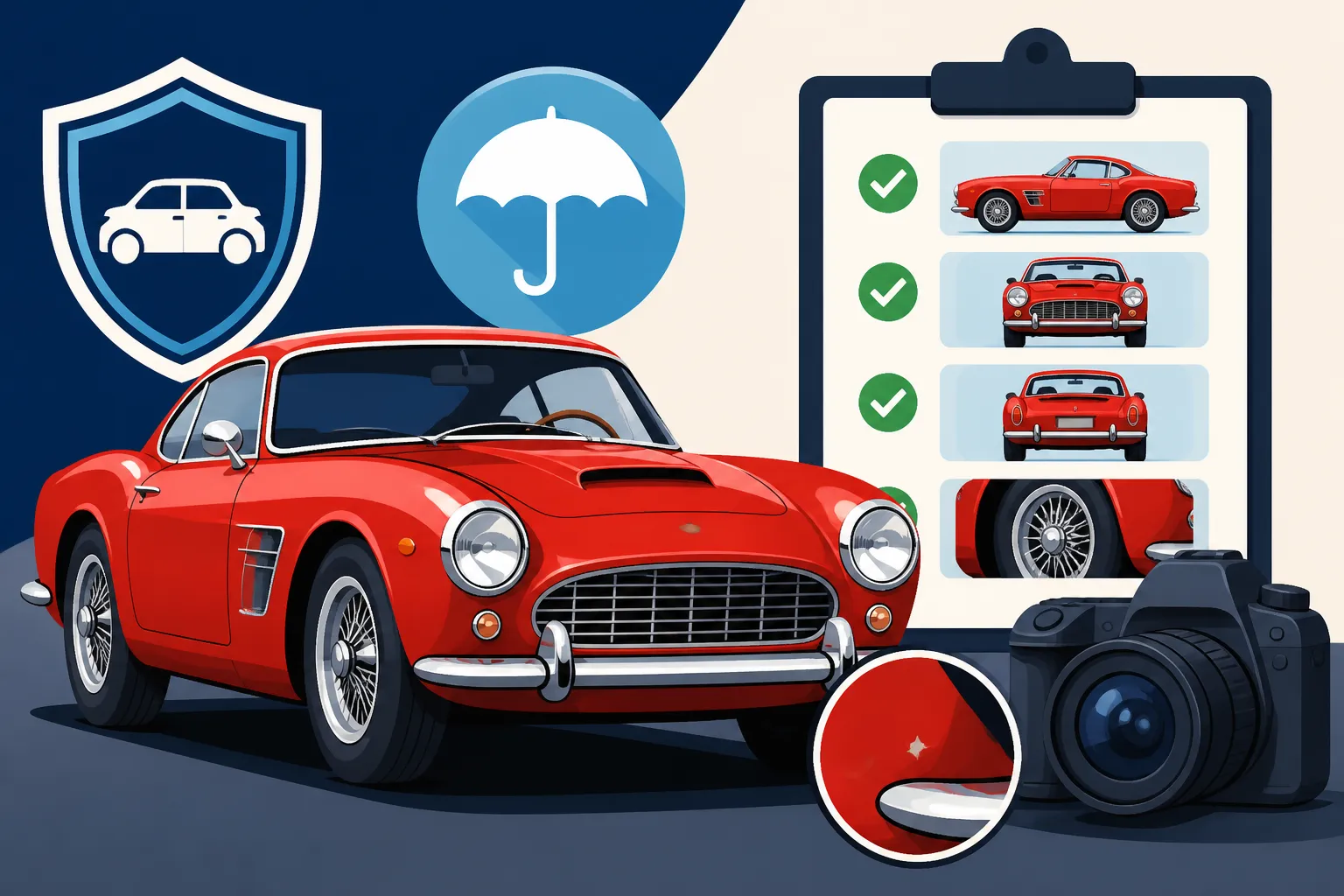
- Exterior Views: Take high-resolution photos from every conceivable angle. This means front, rear, both sides, and three-quarter views. Get close-ups of specific features like chrome trim, emblems, unique paint details, and lighting elements. Be sure to capture the condition of the paint, body panels, and glass from various distances. If there are any minor imperfections you're already aware of, photograph those too to show transparency and accuracy.
- Interior Details: Open the doors and document the cabin thoroughly. Photograph the dashboard, gauges, steering wheel, seats (front and rear), door panels, headliner, and carpeting. Pay attention to the condition of upholstery, any custom touches, and functionality of features like radios or climate controls. Don't forget the trunk – show its condition, carpet, spare tire, and any tools or accessories stored there.
- Engine Bay: A clean, well-documented engine bay speaks volumes about a car's care. Photograph the engine from multiple angles, showing its cleanliness, originality (if applicable), and any performance modifications. Capture details like the condition of hoses, wiring, and fluid reservoirs. If you have a numbers-matching car, ensure the engine block stampings are clearly visible in your photos.
- Undercarriage: This is often overlooked but critical, especially in areas prone to rust. If possible, get photos of the undercarriage, showing the frame, suspension components, exhaust system, and floor pans. A lift is ideal, but even careful photos taken while the car is safely jacked up can be valuable.
- Wheel and Tire Condition: Document the condition of your wheels, whether they are original steelies, period-correct alloys, or custom rims. Capture any curb rash or damage. Also, photograph the tires, showing tread depth and sidewall condition.
For optimal results, use good lighting (natural daylight is often best), ensure clear focus, and try to have a consistent, uncluttered background. Date-stamping your photos or keeping them in clearly dated folders is essential. A video walkthrough, narrated by you, can capture nuances that still photos might miss, like the sound of the engine, the functionality of lights, or the smooth operation of windows. This is especially useful if you ever need to demonstrate Classic Car Insurance Inspection Requirements remotely.
Detailed Written Records and Maintenance Logs
While visuals are powerful, written documentation provides the factual backbone. This includes everything from the moment you acquired the car to every modification, repair, and service it has received.
- Purchase Documentation: Keep the original bill of sale, title, and any pre-purchase inspection reports. These establish ownership and the initial state of the vehicle.
- Restoration and Repair Invoices: This is gold. Every receipt for parts purchased, every invoice for professional work performed (paint, body, engine rebuild, upholstery, etc.), should be kept meticulously. These documents prove the investment you've made and the quality of the components used. For instance, if you replaced an engine with a correct, rebuilt unit, the invoice substantiates its value. These details are vital for justifying your agreed value, especially when considering Restoration Coverage for Classic Cars for vehicles undergoing significant work.
- Parts Lists and Specifications: For highly original or custom builds, maintain a list of specific parts used, their manufacturers, and any unique specifications. This is particularly important if you've invested in rare or high-performance components that significantly increase the car's value.
- Maintenance Logs: Keep a detailed log of all maintenance performed, including oil changes, tune-ups, brake services, and tire rotations. Note the date, mileage, and work done. This demonstrates consistent care and helps prove the car is well-maintained, impacting its overall condition and reliability.
- Mileage Records: Track your mileage, especially if your policy has specific Classic Car Insurance Mileage Limits by State. Note the odometer reading at the start and end of each policy period or after any significant drive.
Consistency and organization are key. Create physical folders and digital backups for all these documents. Dating every receipt, log entry, and photo ensures a clear timeline of your car's life and the care it has received.
Official Valuations and Appraisals
For many classic car owners, especially those with high-value vehicles, a professional appraisal is the cornerstone of their documentation. While your own records are invaluable, an independent, third-party valuation carries significant weight with insurers.
A qualified classic car appraiser will conduct a thorough inspection of your vehicle, taking into account its condition, originality, provenance, modifications, and current market trends. They will then provide a detailed report that substantiates your car's value. This report is crucial for establishing and maintaining your "Agreed Value" with your insurance provider. It's often required by companies like Hagerty for higher-value policies.
When should you get an appraisal?
- When first insuring a classic: Especially if it's a significant purchase or a recent restoration.
- After a major restoration or modification: If you've significantly increased the car's value through extensive work, an updated appraisal reflects this new worth.
- Periodically: Even without major changes, market values for classics can fluctuate. Getting an updated appraisal every 3-5 years, or when you notice a significant shift in market values (perhaps through auction results or classic car sales data), ensures your agreed value remains accurate. This directly relates to When to Update Your Classic Car's Agreed Value to prevent underinsurance.
Choosing a certified appraiser who specializes in classic and collector vehicles is vital. They understand the nuances of the market and the specific factors that drive classic car values, unlike a general auto appraiser who might only be familiar with modern cars. Such an appraisal is a powerful tool in your arsenal, proving to your insurer precisely How Appraisals Support Agreed Value.
Beyond the Basics: Advanced Documentation Strategies
While photos, records, and appraisals form the core of your documentation, some classics—particularly those with unique histories or significant modifications—require an even deeper dive. These advanced strategies can make all the difference in truly capturing your car's essence and maximizing its insured value.
Recording Modifications and Unique Features
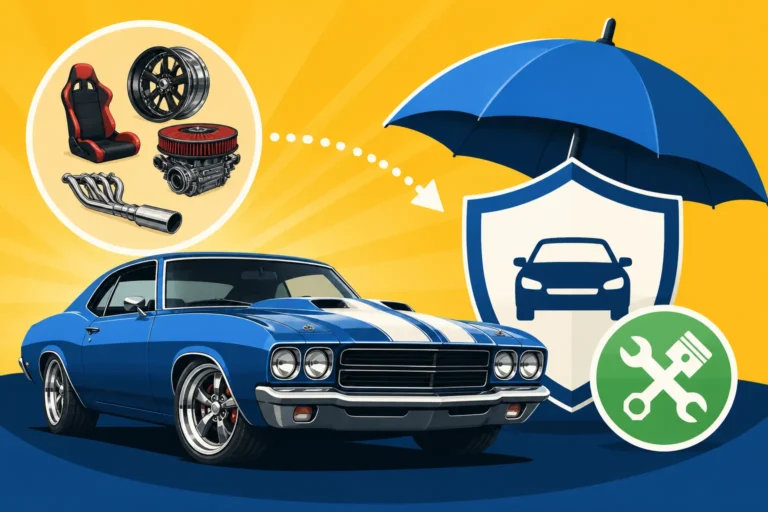
This is a common sticking point for many collectors. A stock classic might be easy to value, but what about your custom hot rod, restomod, or a car with rare, period-correct performance upgrades? Many standard auto insurance policies struggle to account for the true value of modifications, often only covering factory options. This is where specialized classic car insurers shine, but you still need to prove the value of your custom work. Requirements for Insuring a Modified Classic are often stringent for good reason.
To ensure your modifications are properly valued:
- Detailed Descriptions: Write down everything. What was modified? What parts were used (brand, model, specs)? Who performed the work? When was it done? Be as specific as possible. For example, instead of "new engine," write "Blueprint Engines 383 Stroker Crate Engine with Holley Sniper EFI system, installed by XYZ Performance in June 2022."
- Receipts and Invoices: Just like restoration receipts, keep all invoices for custom parts and labor. These are tangible proof of your investment. If you did the work yourself, keep receipts for materials and document your labor hours, although insurers primarily value parts and professional labor costs.
- Before-and-After Photos: Show the transformation! Photos of the car before modifications, during the process, and after completion are incredibly compelling. They visually demonstrate the extent of the work and the quality of the finished product.
- Performance Data: If you've modified for performance, include dyno sheets, track times, or any other objective data that quantifies the improvements. This isn't always directly tied to insurance value but can support the overall premium status of a high-performance vehicle.
Failing to document modifications thoroughly can leave you significantly underinsured. Your insurer needs to understand that your custom paint job isn't just "new paint," but a multi-stage, show-quality finish that cost five figures. This is why when you get a quote, be sure to ask about specific coverage for custom parts and modifications, and confirm that your documentation satisfies their needs. You want to make sure the policy truly reflects your modified classic.
Documenting Provenance and History
For certain classic cars, particularly rare, limited-production, or historically significant vehicles, their provenance—their documented history of ownership, events, and unique background—can dramatically influence their value. This isn't just about the car's physical state; it's about its story.
- Original Documentation: Seek out original sales invoices, window stickers, build sheets, and owner's manuals. These prove the car's factory specifications and initial configuration.
- Ownership History: A complete chain of ownership, especially if it includes notable figures, race history, or unique anecdotes, adds immense value. Collect old titles, registration documents, and any correspondence related to previous owners.
- Historical Photographs and Articles: Does your car have old photos from its early days? Was it featured in a magazine? Did it compete in period races? Any historical images or media mentions bolster its story and value.
- Club and Registry Certifications: For certain models, specific clubs or registries offer certification programs that authenticate the car's originality and history. For example, a Corvette that has received NCRS (National Corvette Restorers Society) Top Flight certification carries a premium.
- Expert Verifications: If your car is particularly rare or has a questionable past, seek out expert verification. This might involve a factory historian, a marque specialist, or a reputable authority who can confirm its authenticity and significance.
This level of documentation is critical for proving How to Prove a Car's Collectible Status beyond its age and condition. It transforms a nice old car into a historical artifact, and your insurer needs to understand that distinction to offer adequate coverage. A car with verifiable race history or a limited production number, even if its condition is only "good" instead of "excellent," can be worth significantly more due to its provenance.
Digital Storage and Accessibility
You’ve spent countless hours gathering all this vital documentation. Now, how do you protect it and make it accessible when needed? Relying solely on a physical binder in your garage is a recipe for disaster. Fire, flood, or even simply misplacement could erase years of careful record-keeping.
- Cloud Storage: This is your best friend. Services like Google Drive, Dropbox, or OneDrive offer secure, accessible storage from anywhere. Scan all your physical documents (receipts, appraisals, titles) and upload them. Store all your digital photos and videos here too. Organize them logically with clear folder names (e.g., "1969 Mustang – Purchase Docs," "1969 Mustang – Restoration Receipts 2020," "1969 Mustang – Appraisal 2023").
- External Hard Drives: Keep at least one, preferably two, external hard drives as backup. Store all your digital documentation on these as well. Keep one hard drive off-site, perhaps at a friend's house or a secure safety deposit box, as a redundancy against local disasters.
- Share with Your Insurer: Many specialty classic car insurers, including Hagerty, provide online portals or direct email addresses for submitting documentation. It’s a good practice to share your key documents—especially the appraisal and a selection of detailed photos—directly with your agent or through their online system. This ensures they have it on file and reduces potential headaches during a claim.
- Inform Loved Ones: Make sure a trusted family member or friend knows where your documentation is stored and how to access it. In an emergency, or if you're incapacitated, they'll need this information to assist with any claims.
By digitizing and backing up your records, you create a resilient, always-available archive that can be quickly retrieved, whether you're updating your policy, seeking a new quote, or, unfortunately, filing a claim.
Maintaining Your Documentation Over Time
Collecting all this documentation isn't a one-and-done task. Just like your classic car requires ongoing maintenance and care, so too does its documentation. The value and condition of your vehicle can change, and your records need to reflect those changes to ensure continuous, adequate coverage.
Regular Updates and Reviews
Think of your documentation as a living portfolio that needs periodic review and refreshment. Your car's value isn't static, and neither should your insurance coverage be.
- After Major Work: Any significant restoration work, major repairs, or the addition of valuable modifications absolutely warrants an update to your documentation. Get new photos of the completed work, add all new receipts and invoices to your records, and consider a new appraisal if the value has substantially increased. This is directly related to How to Increase Your Agreed Value Over Time, as your insurer will need proof of the enhanced value.
- Annual Policy Review: At a minimum, review your documentation annually before your policy renewal. Look through your photos and records. Has anything changed? Has the market value for your specific model shifted? If you've been to a few car shows and picked up some awards, document those too! While not directly adding to the car's physical value, they speak to its quality and condition.
- Market Value Monitoring: Stay attuned to the classic car market. Websites like Hagerty's Valuation Tool, auction results from Barrett-Jackson or Mecum, and sales data from Bring a Trailer can give you a sense of whether your car's value is appreciating or declining. If you notice a significant upward trend, it's a strong indicator that your agreed value might need an adjustment, backed by your updated documentation. Keeping an eye on What Affects Classic Car Insurance Rates will help you understand market fluctuations.
By regularly updating your documentation, you ensure that your insurer always has the most accurate picture of your vehicle's condition and worth. This proactive approach prevents you from being underinsured if your classic's value surges, or overpaying if its value has slightly dipped.
Preparing for Renewal and Claim Scenarios
Having current, accessible documentation streamlines interactions with your insurer, whether it's for a routine renewal or the unfortunate event of a claim.
- Smooth Renewals: When it's time to renew your policy, a well-organized set of updated documents makes the process effortless. You can quickly provide any requested information, such as updated mileage, recent appraisal reports, or photos of new modifications. This transparent approach fosters trust with your insurer and helps you secure the best possible rates and terms. If your insurer sees you as a meticulous and responsible owner with comprehensive records, they're more likely to offer favorable conditions.
- Expediting Claims: This is where all your hard work truly pays off. In the event of an accident, theft, or damage, having immediate access to your detailed photos, videos, appraisal reports, and maintenance records is invaluable. Instead of spending precious time trying to reconstruct your car's history and condition, you can present a clear, undeniable case to your adjuster. This dramatically speeds up the claim assessment process, reduces potential disputes, and ensures you receive a fair and timely settlement based on your agreed value. Imagine the stress relief knowing that if your Spare Parts Coverage Explained is ever needed, you have a detailed inventory of every valuable part you've invested in.
Ultimately, documenting your classic's condition is an act of love and responsible ownership. It’s an ongoing commitment that protects your passion, your investment, and your peace of mind. By following these steps, you'll be well-prepared for anything the road throws your way, ensuring your classic car legacy is secure.
Disclaimer
The information provided in this article is for general informational purposes only and does not constitute professional advice. Insurance requirements and policies can vary significantly by state, insurer, and specific vehicle. It is essential to consult with a qualified insurance professional or a classic car insurance specialist to discuss your individual needs and to obtain accurate and up-to-date information regarding coverage options, policy terms, and requirements.