Best Coverage Types for a Street Rod
Bringing a street rod to life is a labor of love, countless hours, and often a significant financial investment. But when it comes to insuring these unique, custom-built machines, many enthusiasts hit a wall with standard auto policies that simply don't grasp the true value of their meticulous craftsmanship. This guide is here to unravel the complexities, helping you understand the specialized coverage types that truly protect your street rod, ensuring your passion project is safeguarded against the unexpected.
Understanding Street Rods and Their Unique Insurance Needs
The world of custom vehicles is vast and varied, but street rods hold a special place. They aren't just old cars; they're rolling pieces of art, re-engineered and reimagined with modern components and classic aesthetics. Insuring such a distinctive vehicle requires a departure from the one-size-fits-all approach of conventional auto insurance.
What Exactly is a Street Rod?
A street rod is typically an older vehicle, often from the pre-World War II era (usually pre-1949), that has been highly customized with modern running gear, such as contemporary engines, transmissions, brakes, and suspension. Think about those gleaming 1932 Fords or '34 Chevy coupes you see cruising down Main Street, often with exposed engines, flashy paint jobs, and luxurious interiors. These aren't stock restorations; they're unique interpretations, built for both show and go. The essence of a street rod lies in its significant modifications, blending vintage styling with modern performance and comfort. This combination of classic looks and contemporary engineering sets them apart from original classics, muscle cars, or even hot rods that might focus more on period-correct modifications or raw power from a specific era.
The customization involved means that no two street rods are truly identical. From the custom frame and suspension to the bespoke interior and intricate paintwork, every element contributes to its distinct character and, crucially, its unique value. This level of personalization is what makes standard insurance policies struggle, as they're built to assess factory-spec vehicles and their depreciation schedules. Understanding this fundamental difference is the first step toward securing appropriate coverage.
Why Standard Auto Insurance Falls Short
Regular car insurance is designed for mass-produced vehicles that depreciate over time and whose value can be easily determined by market guides like Kelley Blue Book or Edmunds. When you try to put a street rod, with its custom chassis, hand-built interior, and unique driveline, under such a policy, you're asking for trouble. If something unfortunate were to happen – an accident, theft, or fire – a standard policy would likely offer you Actual Cash Value (ACV), which factors in depreciation based on the original factory build. This means you’d be offered a payout that would barely cover a fraction of your actual investment in parts, labor, and love.
Imagine you've spent five years and $80,000 building your dream '34 Ford coupe, fitting it with a modern LS engine, custom suspension, and a luxurious leather interior. A standard insurance company might look at it as a 90-year-old car and offer you a few thousand dollars, completely disregarding your investment. This scenario is a heartbreaking reality for many street rod owners who unknowingly carry inadequate insurance. This is why understanding the distinction between standard and specialized insurance, as detailed in an article like Classic Car Insurance vs Regular Insurance: What's Required, is so vital. Your street rod is an appreciating asset, or at the very least, one that holds a custom-built value far beyond its original factory price.
The limitations extend beyond just valuation. Standard policies often have restrictions on mileage, usage, and even storage that don't align with the typical street rod lifestyle. You might drive it only on weekends, to shows, or for special events, not as a daily commuter. Specialized classic car insurance recognizes these nuances, offering policies tailored to how you actually use and care for your custom masterpiece.
Essential Coverage Types for Your Street Rod
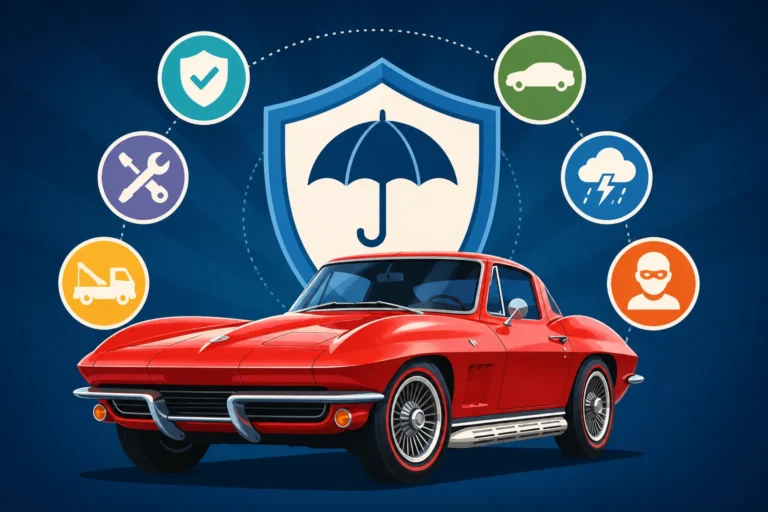
When it comes to insuring your street rod, you can't just pick a basic policy and hope for the best. You need specific coverage types that acknowledge the significant investment of time, money, and passion you’ve poured into your unique vehicle. These are the foundational elements of a robust street rod insurance plan.
Agreed Value: The Cornerstone of Street Rod Protection
This is, without a doubt, the most critical type of coverage for any street rod owner. Unlike Actual Cash Value (ACV) policies, which pay out a depreciated market value, an agreed value policy ensures that you and your insurer agree on the car's exact value at the beginning of the policy term. If your street rod is ever deemed a total loss, you receive that agreed-upon amount, no questions asked, minus your deductible. This means your five-year, $80,000 build is covered for $80,000, not just a few thousand dollars based on its vintage.
The process for determining agreed value usually involves an appraisal, detailed photos, and receipts for custom work and expensive components. Specialty insurers, like Hagerty, excel in this area, understanding that the market for street rods is driven by customization, condition, and unique features, not just age. They work with you to establish a realistic and fair valuation that truly reflects your investment. This critical distinction is explored in depth in resources like Agreed Value Coverage Explained, which can help you understand how this protection safeguards your investment.
Without agreed value coverage, you run an enormous risk. Imagine a scenario where a fender bender at a car show, seemingly minor, results in damage to custom paintwork, body modifications, or irreplaceable parts. If your policy only pays out ACV, the cost to repair or replace these unique elements would far exceed your reimbursement, leaving you severely out of pocket. Agreed value is your guarantee that your pride and joy is valued for what it truly is – a one-of-a-kind creation.
Liability Coverage: Protecting Your Assets
While agreed value protects your street rod itself, liability coverage is essential for protecting you from the financial fallout of accidents where you are at fault. This coverage pays for bodily injury and property damage you might cause to others. Even if you only drive your street rod occasionally, an accident can happen to anyone, and the financial consequences can be devastating without adequate protection.
Most states require a minimum amount of liability coverage, but for a street rod, especially one that draws attention, it’s often wise to carry higher limits. The presence of a unique, high-value vehicle can sometimes lead to increased scrutiny or assumptions about the owner's wealth, which, whether fair or not, can influence legal outcomes. Think about driving your meticulously crafted '32 Ford through a busy downtown area. If you accidentally back into another car, causing significant damage, your liability coverage will step in. But if you cause an injury to a pedestrian or extensive damage to a luxury vehicle, state minimums might quickly be exhausted, leaving your personal assets vulnerable.
Beyond the standard bodily injury and property damage, consider adding uninsured/underinsured motorist (UM/UIM) coverage. This is crucial because, unfortunately, not everyone on the road carries sufficient insurance. If an at-fault driver has minimal coverage or no insurance at all, UM/UIM can help cover your medical expenses and even some damage to your street rod if it’s not covered by your collision policy, protecting you from situations outside your control.
Comprehensive and Collision: Guarding Against the Unexpected
These are the coverages that protect your street rod from physical damage, whether it’s your fault or not. Collision coverage pays for damage to your car resulting from an accident with another vehicle or object, or if it rolls over. Comprehensive coverage, on the other hand, protects against non-collision events, such as theft, vandalism, fire, natural disasters (hail, floods), and even hitting an animal.
For a street rod, these coverages are incredibly important due to the custom nature of the vehicle. Replacing custom-fabricated body panels, a bespoke grille, specialized chrome, or hand-painted pinstripes is far more expensive than ordering parts for a production car. A small dent might require a complete repaint of a custom graphic, driving costs sky-high. Specialty insurers understand this. They often have networks of repair shops familiar with custom work, or they allow you to choose your own trusted restoration specialist.
Consider a scenario: you've parked your immaculate street rod at a local diner, and a sudden hailstorm rolls through, leaving dimples on your custom paint and bodywork. Without comprehensive coverage tailored for a custom vehicle, you'd be looking at a massive bill to restore its pristine finish. Similarly, if you accidentally misjudge a turn and scrape a custom fender, collision coverage would be there to help cover the repairs. These protections become even more vital when you consider the cost of labor and specialized materials involved in restoring a street rod to its former glory.
Specialized Add-Ons and Endorsements for Street Rods
Basic agreed value, liability, comprehensive, and collision coverages are a fantastic start, but street rods often demand an extra layer of protection to truly cover all the unique scenarios associated with owning and enjoying such a customized vehicle. These specialized add-ons, often called endorsements, fill those specific gaps.
Restoration and In-Process Coverage
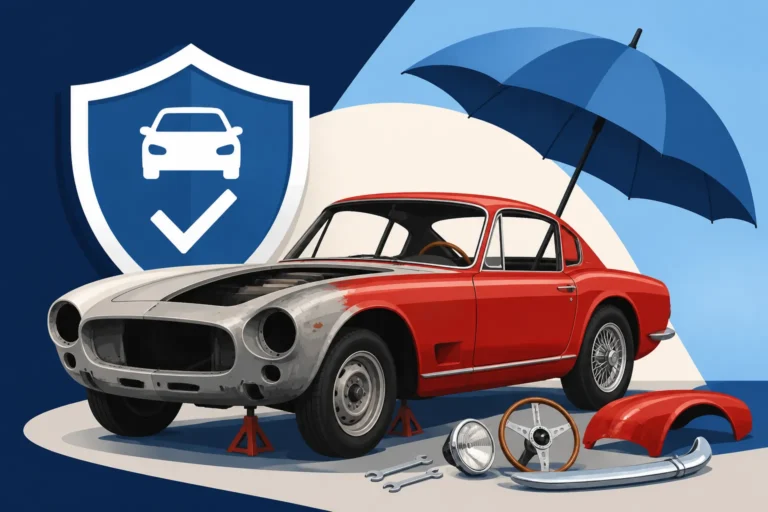
Many street rods are never truly "finished." They are ongoing projects, constantly evolving, being tweaked, or undergoing partial restorations. Standard policies are ill-equipped to handle a vehicle that is in pieces or undergoing significant upgrades. This is where restoration or "vehicle under construction" coverage becomes invaluable. It protects your street rod while it's being worked on, whether in your garage, at a professional shop, or even during transport between locations.
This type of coverage typically accounts for the increasing value of your vehicle as parts are added and labor is invested. You can usually update the agreed value as your project progresses, ensuring that your financial commitment is always protected. For example, if you're halfway through a frame-off restoration, with the engine installed and custom bodywork underway, this coverage will protect the value of the frame, engine, and all the custom work already completed, rather than just the shell you started with. Learning about the specifics of Restoration Coverage for Classic Cars is crucial for anyone building or modifying a street rod.
Without this specialized coverage, an unfortunate event like a garage fire or theft of the disassembled parts could wipe out years of effort and tens of thousands of dollars in investment. Imagine losing all the custom sheet metal, the freshly rebuilt engine, or the expensive interior components while your car is still on jack stands. Standard policies would offer little to no recourse.
Spare Parts and Tools Protection
Street rod owners often accumulate a treasure trove of spare parts, specialty tools, and even automobilia related to their passion. These aren't just random items; they can be rare, custom-fabricated, or extremely expensive components specific to your build or future projects. A standard homeowner's policy might offer minimal coverage for such items, and a regular auto policy wouldn’t cover them at all unless they were installed on the vehicle.
Spare parts and tools coverage, often an endorsement on a specialty classic car policy, provides protection for these valuable assets. This includes new-old-stock (NOS) parts, custom-fabricated components waiting to be installed, engines on stands, or even a collection of specialty wrenches or welding equipment used specifically for your street rod projects. For a street rodder who might have a backup custom transmission or a rare set of vintage carburetors stored separately, this coverage is indispensable. You can delve deeper into how this protection works by checking out content on Spare Parts Coverage Explained.
Consider a scenario where your garage, housing not only your street rod but also a meticulously organized shelf of expensive custom wheels, engine components, and specialized fabrication tools, is burglarized. Without this specific add-on, you could lose thousands of dollars in irreplaceable items that are vital for maintaining or completing your unique build. Specialty insurers understand that a collector's garage is more than just a place to park a car; it's a workshop and a repository for valuable assets.
Touring, Show, and Trip Interruption Coverage
Street rods are built to be driven and shown off! Whether you're cruising to a local Cars & Coffee event, embarking on a cross-country road trip to a major show, or participating in a club tour, these activities expose your vehicle to unique risks. Specialty policies recognize this lifestyle and offer specific coverages that go beyond basic accident protection.
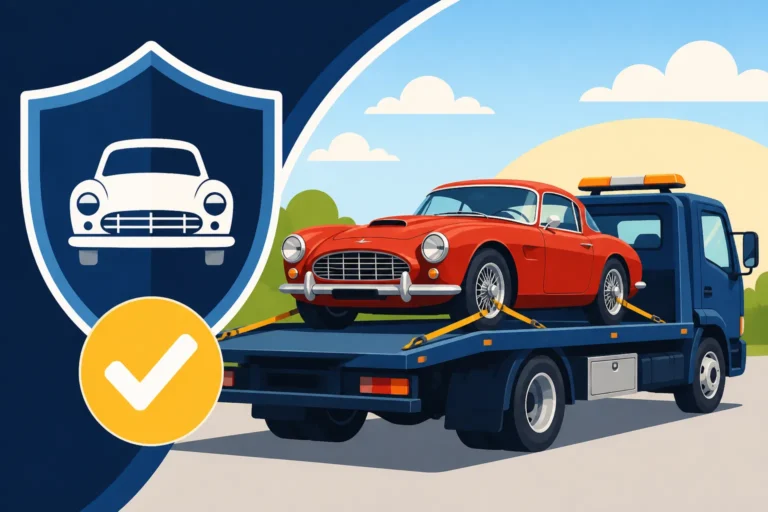
Touring and show coverage protects your street rod while it's being transported to and from events, displayed at shows, or even while participating in judged competitions. This can include protection against damage during loading/unloading from a trailer, vandalism while parked at a show, or even damage from accidental bumps by curious onlookers. Many policies also include a small amount of "automobilia" coverage for items like trophies, show boards, or other related collectibles you might bring to events. For long trips, Trip Interruption Coverage for Classic Cars Explained can be a lifesaver, covering expenses like lodging, meals, and alternative transportation if your street rod breaks down far from home. Additionally, specialized Roadside Assistance Coverage for Classic Cars Explained is a must-have, ensuring that if you need a tow, it's done safely with a flatbed, preventing further damage to your low-slung, customized vehicle.
Imagine you’re halfway to a major street rod national event, hundreds of miles from home, and your custom engine experiences an unexpected issue. Without trip interruption coverage, you'd be stranded, facing hotel bills, rental car costs, and the stress of organizing repairs from afar. With it, these unexpected expenses are covered, allowing you to focus on getting your beloved rod back on the road. These endorsements acknowledge that street rods are meant to be enjoyed and that their unique usage requires bespoke protection.
Choosing the Right Policy and Provider for Your Street Rod
Navigating the insurance landscape for a highly customized vehicle like a street rod can feel daunting. It’s not just about finding the cheapest rate; it’s about finding the right partner who truly understands your vehicle’s worth and your passion.
Finding a Specialty Insurer
The biggest mistake a street rod owner can make is trying to insure their vehicle with a standard auto insurance company. These companies are simply not set up to properly value or cover custom-built cars. Instead, you need to seek out specialty classic car insurance providers. These companies have adjusters and underwriters who are often enthusiasts themselves, or at least highly knowledgeable about the unique market and construction of custom vehicles.
Companies like Hagerty, Grundy, American Collectors Insurance, and American Modern are leaders in this field. They offer policies specifically designed for vehicles like street rods, featuring agreed value, specialized endorsements, and a deep understanding of collector car culture. They know that your '32 Ford isn't just a car; it's a historical artifact brought back to life with modern flair. Comparing these providers is crucial, and resources like Best Classic Car Insurance Companies can offer a great starting point for your research. Don’t hesitate to get multiple quotes, and always be transparent about your vehicle's modifications and how you use it.
When you're looking for a quote, be prepared to provide extensive documentation. This includes photos of your street rod from all angles, receipts for major components (engine, transmission, paint job, interior), and any appraisal reports you may have had done. The more information you can provide, the more accurately they can assess the agreed value and tailor a policy that fits your specific needs. Understanding How to Get a Classic Car Insurance Quote will prepare you for this process.
Factors Influencing Your Street Rod Premium
Several factors play a significant role in determining the cost of your street rod insurance premium. Understanding these can help you manage your costs and ensure you’re getting the best value for your coverage.
One major factor is the agreed value of your street rod. A higher agreed value generally translates to a higher premium, as the insurer is taking on more risk in the event of a total loss. However, this is a cost worth paying to ensure your investment is fully protected. The level of customization also matters; highly customized vehicles with exotic paint, rare components, or significant engine modifications might see slightly higher rates due to the increased cost of repair or replacement. You can learn more about how value influences cost with resources like How Agreed Value Affects Premiums.
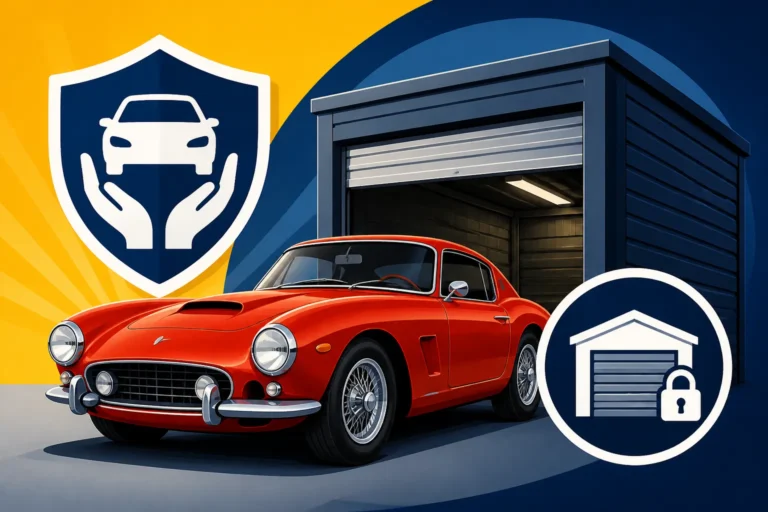
Another key factor is how you use your vehicle. Specialty policies often have mileage tiers, from very limited (e.g., 1,000 miles per year) to unlimited mileage options. The less you drive your street rod, the lower your premium typically will be, as the risk of an accident is reduced. Your driving record and claims history, as with any insurance, will also impact your rates, so maintaining a clean record is always beneficial. Finally, the security of your storage location, such as a locked private garage versus a carport, can also affect your premium.
| Coverage Type | What it Protects | Why it's Essential for Street Rods | Typical Premium Impact |
|---|---|---|---|
| Agreed Value | Your vehicle's declared market value | Ensures full payout for custom investment | High |
| Liability | Damages/injuries you cause others | Protects assets in at-fault accidents | Medium |
| Collision | Damage from accidents/rollovers | Covers custom bodywork and components | High |
| Comprehensive | Damage from non-collision events (theft, fire, weather) | Safeguards against external threats to unique features | Medium |
| Restoration | Value of vehicle during build/restoration | Protects ongoing investment in parts & labor | Variable (add-on) |
| Spare Parts | Uninstalled custom parts & tools | Crucial for rare/expensive components | Low (add-on) |
| Trip Interruption | Expenses during long-distance breakdowns | Covers travel costs for show/touring events | Low (add-on) |
| Roadside Assistance | Towing and emergency services | Ensures safe, flatbed towing for custom vehicles | Low (add-on) |
The final piece of the puzzle is understanding your state's requirements. While specialty insurers are generally consistent across the country, some state-specific regulations for classic or antique vehicles might influence your overall insurance needs. Always consult with a reputable specialty insurer who can guide you through both federal and state regulations.
Disclaimer
Please remember that this article provides general information and guidance regarding classic car insurance for street rods. Insurance policies and their coverages can vary significantly based on the provider, your specific vehicle, your location, and individual circumstances. It is always recommended to consult directly with a qualified insurance professional or a specialty classic car insurance provider to discuss your unique needs and obtain personalized advice and quotes. This content is not intended to provide legal, financial, or insurance advice.