How to Insure a Classic Bought from a Private Seller
Buying a classic car from a private seller can feel like navigating a maze, especially when it comes to getting it insured. You’ve found your dream ride, shaken hands, and now you're faced with the often confusing task of securing proper coverage without a dealer's help. This guide will walk you through every critical step to ensure your new classic is fully protected from the moment you take possession.
The Unique Challenges of Private Seller Purchases
Acquiring a classic car through a private sale is a vastly different experience from buying from a dealership. While it can often mean better deals and more unique finds, it also places the onus of due diligence squarely on your shoulders. There’s no sales team to handle the paperwork or explain insurance options, and you're responsible for verifying everything from the car’s provenance to its mechanical health. This independent process, while rewarding, requires a careful and informed approach, particularly when it comes to insurance.
No Dealer to Guide You
When you buy from a licensed dealership, a good portion of the administrative burden, including temporary tags and sometimes even initial insurance connections, is handled for you. They have processes in place for title transfers, sales tax collection, and often provide warranties or inspections. With a private seller, however, you become the project manager for all these crucial steps. This means you need to be proactive in gathering all necessary documents and understanding your state’s specific requirements for vehicle registration and insurance immediately after the sale. It’s a lot to juggle, especially when you’re still buzzing from the excitement of your new acquisition.
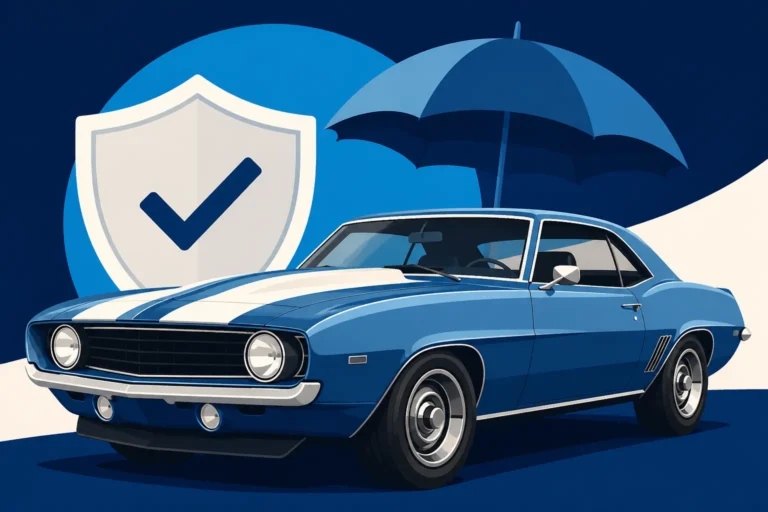
Think about it: you’ve just driven your dream car, a pristine 1969 Camaro perhaps, off the seller's driveway. Your immediate concern might be getting it home safely, but what if something happens on the way? Without proper coverage, you're entirely exposed. Unlike a dealer who often provides temporary plates and ensures the vehicle meets basic sales requirements, a private seller simply hands you the keys and the title. This requires you to be meticulously prepared, knowing exactly what to do before you even hit the road, or at the very least, have a clear plan for immediate post-purchase actions.
Confirming Ownership and Title Status
One of the most critical, yet often overlooked, aspects of a private classic car purchase is verifying legitimate ownership and the title status. Many classic cars have been through multiple hands, sometimes sitting for decades, which can lead to lost or incomplete titles. You absolutely must confirm that the person selling the car legally owns it and has a clear, transferable title. This involves more than just glancing at a piece of paper; it means cross-referencing VINs and understanding potential red flags.
First, always check the vehicle identification number (VIN) on the title against the VIN stamped on the car itself. These should match perfectly. If they don't, or if the VIN appears tampered with, walk away. Next, verify the seller's identity against the name on the title. A legitimate seller will have no issue showing you their driver's license. Be wary of "curbstoners" or individuals selling cars they don't legally own. If the car has a "salvage" or "rebuilt" title, understand that this can significantly impact its value and future insurability, so it’s something you must clarify upfront. In some states, especially for very old classics, a bill of sale might suffice if a title was never issued or lost due to the car's age, but you’ll need to research your state's specific Antique Vehicle Registration Requirements to be sure. Trying to insure a car with murky title history can be an absolute nightmare, so addressing this pre-purchase is paramount.
Assessing the Car's True Condition and Value
Unlike a new car where the value is generally fixed by the manufacturer's suggested retail price, a classic car’s value is highly subjective and depends heavily on its condition, originality, provenance, and market demand. When buying privately, you don't get a certified dealer inspection report or a guaranteed valuation. This means you need to perform your own thorough assessment, or better yet, engage a third-party expert. Underestimating the car's condition or overestimating its value can lead to being underinsured or paying too much in premiums.
A visual inspection by you is a start, but for a true classic, you really need to bring in a specialist. A pre-purchase inspection by a mechanic familiar with that particular make and model can uncover hidden issues that might cost thousands to repair. Beyond mechanicals, an expert appraiser can help determine the car’s actual market value. Many specialty insurers, like Hagerty, offer excellent resources to help you with this valuation, or you might consider getting a professional How Classic Car Appraisals Work for Insurance. This appraisal is critical for establishing an "Agreed Value" with your insurer, ensuring that if the worst happens, you’ll be paid out the true value of your cherished automobile, not just some depreciated actual cash value. Without a solid understanding of the car's worth and condition, you're essentially insuring it blind, which is a recipe for potential disappointment.
Immediate Steps After the Purchase Transaction
Once the ink is dry on the bill of sale and the title is in your hand, the clock starts ticking. There are crucial immediate steps you need to take to ensure your new classic is legally roadworthy and, most importantly, properly insured. Failing to act swiftly can leave you vulnerable to significant financial risk in case of an accident, theft, or damage during its first journey home. Don't let the excitement of ownership overshadow these practical necessities.
Getting Temporary Coverage on the Spot
Before you even think about driving your newly purchased classic away, you absolutely must have some form of insurance coverage. This is non-negotiable. Standard auto insurance policies often have a grace period for new vehicle purchases, but this typically applies to additional vehicles or replacing an existing one, and often doesn't cover specialty or classic vehicles adequately. For a classic, especially one bought privately, you need to be proactive. Calling your current insurer to add the vehicle to your policy, even temporarily, is a smart first step. However, be aware that most standard policies will only offer Actual Cash Value (ACV) coverage, which likely won't reflect your classic's true worth.
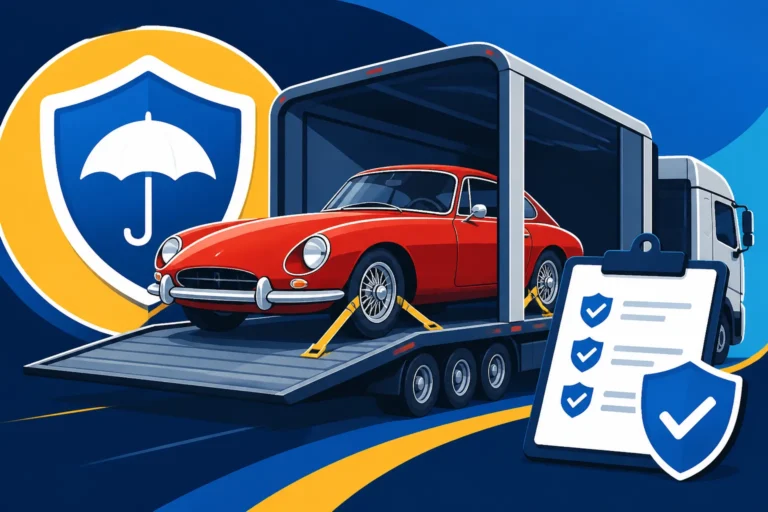
Ideally, you've already had preliminary discussions with a specialty classic car insurer, like Hagerty or Grundy, and can activate a binder or temporary policy immediately. This might involve submitting basic details over the phone or online. If you're picking up the car far from home, arranging for transportation via a flatbed tow truck might be the safest option, especially if you haven't secured full coverage yet or the car isn't in peak driving condition. Remember, even if you're just driving it a few miles, accidents can happen. Having at least basic liability coverage is a legal requirement in most states, and comprehensive or collision coverage is strongly recommended to protect your investment from the moment you take possession. This initial coverage might differ from your long-term plan, but it provides crucial peace of mind for those first few hours or days.
Securing Essential Documentation
The paper trail is just as important as the car itself. Immediately after the purchase, gather and secure all essential documents. This includes the signed-over title (or proof of ownership if a title isn’t required for older vehicles in your state), a detailed bill of sale, and any maintenance records, appraisal reports, or provenance documents the seller provides. The bill of sale should clearly state the buyer, seller, date, vehicle description (including VIN), and sale price. It acts as your temporary proof of ownership until the title is officially transferred.
These documents are not just for your records; they are indispensable for registration and, more importantly, for obtaining proper classic car insurance. Insurers will want to see proof of ownership and often documentation supporting the vehicle’s value and condition. Maintenance records can be invaluable for showing the car's history and care, potentially influencing your insurance premium or agreed value. Take photos of all documents and keep originals in a safe, secure place. For instance, if you're trying to prove the collectible status of a rare model, original sales brochures or restoration receipts can make a huge difference to your insurer. Knowing What Information You Need for a Classic Quote upfront can streamline this process significantly.
Initial Registration Considerations
Once you have your temporary insurance and all your documents, your next stop (or online task) is the local Department of Motor Vehicles (DMV) or equivalent agency to transfer the title and register the vehicle. State laws vary significantly on how quickly you need to do this, but generally, it's within a few days or weeks of purchase. You'll likely need the signed title, bill of sale, proof of insurance, and possibly a safety or emissions inspection, depending on your state and the age of the classic car. Some states offer special classic or antique plates, which may come with certain restrictions on usage or mileage, but often provide benefits like emissions test exemptions.
It's vital to understand the specific Classic Car Registration and Insurance by State requirements for your location. For example, in some states like Pennsylvania, classic cars registered with antique tags might be exempt from annual inspections, while others, like California, have very strict emissions rules even for older vehicles (though some classics are exempt). Make sure you understand if you need to pay sales tax, and how that’s calculated. Don’t delay this step; driving an unregistered vehicle, even if insured, can lead to fines and legal complications. Often, the DMV will issue you a temporary registration or tag on the spot, allowing you to drive the car legally while you await your permanent plates and title.
Navigating Classic Car Insurance for Your New Acquisition
You wouldn't put diesel in a race car, and you shouldn't put standard auto insurance on a classic. Specialty classic car insurance is designed specifically for these cherished vehicles, understanding their unique use, value, and the way they depreciate (or appreciate). This is where your newly acquired classic truly gets the protection it deserves, moving beyond the bare minimum temporary coverage you might have secured.
Understanding Specialty Classic Car Insurance
The biggest difference between standard car insurance and classic car insurance is how the vehicle's value is determined in case of a total loss. Standard policies use Actual Cash Value (ACV), which means they subtract depreciation from the car’s original value, potentially leaving you with far less than what your classic is worth. Specialty insurers, on the other hand, almost universally offer Agreed Value Coverage Explained. This means you and the insurer agree on the car's value before the policy is issued. If a total loss occurs, you receive that agreed-upon amount, no questions asked, minus your deductible. This is paramount for classic cars, whose value often appreciates or at least holds steady, rather than depreciating like a modern daily driver.
Beyond agreed value, classic car policies are tailored to how these vehicles are used. They typically assume limited mileage, secure storage, and pleasure use only, not daily commuting. This specialized understanding often results in significantly lower premiums compared to what a standard insurer would charge for a similar high-value vehicle. Companies like Hagerty are leaders in this field, offering policies that reflect the collector market’s realities. They also often provide unique coverages like spare parts coverage, restoration coverage, and roadside assistance specifically designed for classic vehicles, including flatbed towing. Understanding Classic Car Insurance vs Regular Insurance: What's Required is key to making the right choice.
Key Information Needed for a Quote
When you’re ready to get a formal quote for your classic, whether from Hagerty or another specialist, be prepared to provide a detailed snapshot of your vehicle and your ownership situation. The more information you can offer, the more accurate your quote will be. You'll need the basics like year, make, model, and VIN. Beyond that, be ready to discuss the car’s condition (e.g., show quality, driver quality, needs restoration), any modifications made, and its estimated value.
Insurers will also ask about your driving record, the primary drivers of the vehicle, and your other vehicles, as they typically require you to have a separate "daily driver" insured elsewhere. Expect questions about where the classic will be stored – a locked garage is usually a requirement for most policies, but some might allow enclosed carports. You'll also need to estimate your annual mileage and confirm its intended use (e.g., pleasure drives, car shows, club events). Knowing these details and having them handy will make the process of getting a classic car insurance quote much smoother and faster. Don't forget to mention any car club memberships, as these can sometimes lead to discounts.
Choosing the Right Coverage
Selecting the right coverage for your classic car goes beyond just the agreed value. While agreed value is foundational, a comprehensive policy involves several other critical components that protect your investment from various risks. This is where you really customize your policy to fit your specific needs and the unique characteristics of your car.
Consider adding Restoration Coverage for Classic Cars if your new acquisition is a project car or if you plan significant upgrades. This coverage allows you to increase your agreed value as you invest more time and money into the car, ensuring your evolving investment is always protected. If you're buying a car with a stash of valuable original or hard-to-find spare parts, then Spare Parts Coverage Explained is a must-have, as these parts can be worth a significant amount on their own. Additionally, robust Classic Car Liability Coverage Explained is essential to protect you in case you're at fault in an accident, even if you drive sparingly. Many collectors also opt for features like roadside assistance that includes flatbed towing, trip interruption coverage for long tours, and even coverage for automobilia or tools. It’s not just about the car, but the entire classic car lifestyle.
Finalizing Your Classic Car Insurance Policy
Once you’ve gathered your documents, understood your options, and obtained quotes, the final step is to solidify your chosen classic car insurance policy. This involves confirming the agreed value, verifying storage and usage details, and carefully reviewing all terms and conditions. Rushing this stage can lead to misunderstandings or, worse, coverage gaps that could leave you financially exposed down the road.
The Importance of a Professional Appraisal
Even if you have a good sense of your classic's value, a professional appraisal can be incredibly beneficial, especially for higher-value or highly unique vehicles. An independent, certified appraisal provides an objective, detailed report of your car's condition, features, and market value. This report gives your insurer concrete evidence to support the agreed value you're requesting, making the underwriting process smoother and helping ensure you get the most accurate coverage. It acts as an unbiased third-party validation that can be invaluable in the event of a claim.
While not all specialty insurers, like Hagerty, require an appraisal for every policy, especially for more common classics, it’s always a good idea for significant investments. An appraisal can highlight unique features or modifications that increase value, ensuring they're accounted for in your agreed value. Furthermore, it provides a baseline for tracking your car’s value over time. You should update your appraisal periodically, especially after major restorations or if the market for your specific classic has shifted, to ensure your Agreed Value Coverage for Classic Cars Explained remains current and accurate. This proactive approach ensures you're never caught off guard if a loss occurs.
Documenting Storage and Usage Plans
Classic car insurers often have specific requirements regarding how and where your vehicle is stored and how frequently it's driven. These requirements are a key factor in their underwriting decisions and often contribute to the lower premiums associated with specialty policies. You'll need to clearly document your storage arrangements and intended usage. Most policies mandate secure, enclosed storage, such as a private, locked garage. Confirming your Garage Storage Requirement for Classic Cars meets your insurer's standards is crucial.
Be prepared to discuss your estimated annual mileage. Most classic car policies come with mileage limitations (e.g., 2,500, 5,000, or 7,500 miles per year). It's important to be realistic about how much you'll drive your classic. Underestimating could lead to issues if you exceed the limit, while overestimating might result in higher premiums than necessary. For those who enjoy taking their cars on longer tours or to numerous shows, exploring Unlimited Mileage Classic Car Insurance Explained might be a worthwhile option, though it often comes at a higher cost. The insurer also needs to know that the classic isn't your primary mode of transportation, as most policies require you to have another vehicle for daily use.
Reviewing Your Policy and Making Adjustments
Before you give your final approval, take the time to thoroughly review every detail of your classic car insurance policy. Don't just skim it! Check that the agreed value is correct, all your desired coverages (like spare parts or restoration coverage) are included, and the policy accurately reflects your storage and usage agreements. Pay close attention to any exclusions or specific conditions that might apply. For instance, some policies might have exclusions for track use, even for casual autocross events, unless specific endorsements are added.
If anything looks incorrect or unclear, don’t hesitate to ask your agent or the insurer for clarification or adjustments. This is your last chance to make changes before the policy is active. Once everything is confirmed, sign the agreement, make your first payment, and congratulations – your classic car is now properly insured! Remember, insurance needs can evolve, so periodically review your policy, especially if you undertake a major restoration or if your car’s market value significantly changes. Staying proactive ensures your prized possession is always protected appropriately.
| Document Type | Purpose | Required/Recommended | Notes |
|---|---|---|---|
| Signed Title | Legal proof of ownership transfer | Required | Ensure seller's signature, date, and proper assignment. Check for salvage or lienholder issues. |
| Bill of Sale | Details of the transaction, buyer/seller, VIN, purchase price | Required | Essential for registration and often for insurance. Should match title details. |
| Proof of Insurance | Temporary or permanent coverage for registration | Required | Your primary insurer's binder or a specialty policy. |
| Valid Driver's ID | To confirm identity for title transfer and insurance | Required | Buyer's ID for registration, seller's ID to verify title ownership. |
| Vehicle Inspection | May be required by state for registration/title transfer | Varies by State | Especially for older vehicles or those with rebuilt titles; confirms safety and emissions compliance. |
| Professional Appraisal | Establishes objective market value for Agreed Value coverage | Highly Recommended | Critical for high-value cars or establishing a dispute-free Agreed Value. Can significantly impact payout in case of total loss. |
| Photos of Vehicle | Documents current condition and features | Recommended | Especially useful for pre-purchase condition and supporting value. Insurers may request these. |
| Maintenance Records | Demonstrates history of care and originality | Recommended | Can support value claims, especially for well-documented classics. |
| Restoration Receipts | Proof of investment in ongoing or completed restoration | Recommended | Essential for increasing Agreed Value on a project car or justifying value. |
| Provenance Docs | Original build sheets, dealer invoices, awards, ownership history | Recommended | Adds to the car's story and value, especially for rare or significant vehicles. |
Disclaimer
The information provided in this article is for general informational purposes only and does not constitute legal, financial, or insurance advice. While we strive to keep the information up-to-date and correct, we make no representations or warranties of any kind, express or implied, about the completeness, accuracy, reliability, suitability, or availability with respect to the website or the information, products, services, or related graphics contained in this article for any purpose. Always consult with a qualified insurance professional or legal advisor for advice tailored to your specific situation. Insurance policies and state regulations are subject to change.