How to Determine Your Agreed Value
One of the biggest anxieties for any classic car owner is the thought of something happening to their cherished vehicle and then realizing their insurance payout won't even scratch the surface of its true worth. It's a horrible feeling to imagine your pride and joy, a rolling piece of history, being valued by an insurance company like any old daily driver. This guide is here to walk you through the essential process of determining your classic car's agreed value, ensuring you're fully protected and can sleep a little easier at night.
Understanding Agreed Value: More Than Just a Number
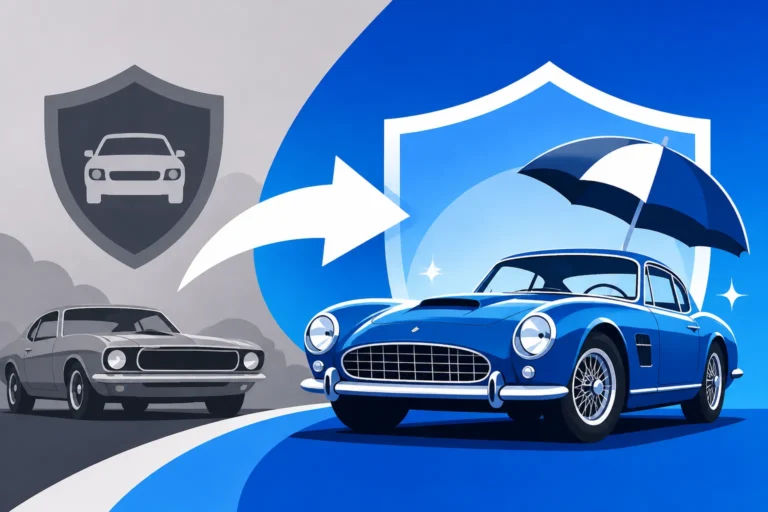
When you're insuring a classic car, the standard "actual cash value" (ACV) found in most regular auto policies just doesn't cut it. ACV means depreciation is factored in, and for a classic that often appreciates, that's a non-starter. This is where agreed value insurance becomes your best friend, offering peace of mind that your investment is recognized for what it truly is.
What is Agreed Value and Why It Matters for Your Classic
Agreed value is precisely what it sounds like: it's a specific dollar amount that you, the car owner, and your insurance provider mutually agree upon as the true market value of your classic vehicle. This agreement is made at the beginning of your policy term, and in the unfortunate event of a total loss, the insurer pays out this exact amount, minus any deductible. There's no negotiation on depreciation; the value is set in stone.
This is paramount for classic car owners because the market for these vehicles is unique. A 1969 Chevrolet Camaro Z/28 isn't just a 55-year-old car; it's a highly sought-after piece of muscle car history, with values fluctuating based on originality, condition, and provenance. Without an agreed value, a standard policy might only offer you a depreciated value, which could be a fraction of what your Z/28 would fetch on the open market. This coverage ensures that your sentimental and financial investment is protected, giving you the confidence to enjoy your car without constant worry about its insured worth. Understanding Agreed Value Coverage Explained is the first step in proper protection.
How Agreed Value Differs from Stated Value and Actual Cash Value
It's easy to get confused by the different valuation terms used in the insurance world, but understanding the distinction is crucial for classic car owners. While agreed value offers clear, guaranteed compensation, stated value and actual cash value (ACV) can leave you financially vulnerable.
Actual Cash Value (ACV): This is the most common valuation method for standard auto insurance policies. ACV calculates your car's value at the time of loss by taking its replacement cost new and subtracting depreciation. For a classic car, this almost always results in a significantly lower payout than the car is truly worth, as classics often appreciate or hold their value, defying the typical depreciation curve. Imagine a pristine 1957 Chevrolet Bel Air. A standard ACV policy would likely see it as an old car, depreciating its value yearly, despite auction results showing it's a valuable collector's item.
Stated Value: This option is a bit trickier, as it seems similar to agreed value but carries a significant catch. With a stated value policy, you declare a value for your car, and the insurer will cover up to that amount. However, in the event of a total loss, the payout will be the lesser of the stated value or the actual cash value. This means the insurer still has the right to assess the market value at the time of loss and pay you less than your stated figure if they determine the ACV is lower. It's a dangerous gamble for classic car owners, as you might pay premiums based on a higher stated value only to receive a much smaller payout. This is why it's vital to understand Agreed Value vs Stated Value vs Actual Cash Value thoroughly.
Agreed Value: As discussed, this is the gold standard for classic car insurance. The value is agreed upon before your policy begins, and that's the amount you'll receive for a total loss, plain and simple. This eliminates uncertainty and protects your investment, recognizing the unique nature of collector vehicles.
Initial Steps to Pinpointing Your Classic's Worth
Determining the agreed value for your classic isn't about pulling a number out of thin air. It's a systematic process that requires thorough research and honest assessment of your vehicle. The more prepared you are, the smoother the process will be with your insurer.
The Critical Role of Documentation and Records
When you approach an insurance company for an agreed value policy, they're going to want to see the evidence that backs up your proposed valuation. Think of it like building a case for your car's worth, and documentation is your primary evidence.
Start by gathering every piece of paper related to your classic. This includes the original bill of sale if you have it, maintenance records, restoration invoices, receipts for parts (especially NOS or rare components), and any previous appraisal documents. Do you have photos documenting the restoration process? Those are invaluable. If your car has a unique history, like being owned by a celebrity, featured in a magazine, or winning significant awards at shows, make sure you have proof of that too. A meticulously organized binder with all these details tells a story about your car that significantly impacts its perceived value.
These records help establish the provenance, originality, and the sheer amount of money and effort invested into the vehicle. For instance, if you replaced the entire engine with a period-correct, numbers-matching unit, the receipts and photographs of that work are crucial. Without them, it’s just a claim. Insurers like Hagerty, for example, often emphasize the importance of comprehensive documentation to support your agreed value. These records are fundamental to determining How Agreed Value Is Determined.
The Importance of Condition and Authenticity
Beyond the paperwork, the physical condition and authenticity of your classic car are paramount in determining its agreed value. A car in concours condition will naturally command a higher value than a project car or one with significant rust.
Take a good, hard look at your vehicle, both inside and out, from top to bottom. Be brutally honest about its flaws and strengths. Is the paint show-quality, or does it have chips and swirl marks? Are the interior components original and well-preserved, or have they been replaced with aftermarket parts? Does the engine run smoothly, or does it have any noticeable issues? All these factors play a role.
Authenticity is another huge component. Is your vehicle a numbers-matching car, meaning the engine, transmission, and other major components are original to that specific chassis? Or has it undergone modifications? While some modifications, like a carefully executed restomod, can increase value, others might detract from it if they compromise originality without adding significant performance or aesthetic appeal. Providing clear, high-quality photographs and even videos that showcase your car's current condition and any unique features is absolutely essential. These visual proofs, combined with your detailed records, paint a comprehensive picture for the insurer and justify your proposed agreed value.
Leveraging Professional Valuations and Market Data
While your own assessment and documentation are vital, sometimes you need an objective third party or broader market insights to truly nail down your classic's worth. This is where professional appraisals and market data become incredibly useful tools.
When to Consider a Professional Appraisal
A professional appraisal isn't always strictly required by every classic car insurance company, but it's almost always a good idea, especially for higher-value or unique vehicles. An independent, certified appraiser brings a level of expertise and objectivity that can significantly strengthen your case for a specific agreed value.
Appraisers are trained to meticulously examine your car's condition, originality, mechanical soundness, historical significance, and market desirability. They'll consider factors you might overlook, like paint thickness, panel gaps, correctness of fasteners, and even the subtle nuances of period-correct modifications. Their report will be comprehensive, detailing every aspect of your vehicle and providing a well-researched valuation based on current market trends, recent sales, and their expert opinion.
You should definitely consider an appraisal if your car falls into any of these categories:
- It's a high-value classic (e.g., over $50,000, but often even lower).
- It has undergone a significant, expensive restoration.
- It's a rare model or has unique historical provenance.
- You're insuring it for the first time or haven't updated its value in several years, especially if the market has changed significantly.
- Your insurer specifically requests one, which they often do for certain types of vehicles.
Choosing a reputable appraiser who specializes in classic cars is crucial. They should be recognized by major classic car insurance companies and have a strong track record. This process will clarify How to Get a Classic Car Appraisal and When You Need a Classic Car Appraisal.
Utilizing Online Valuation Tools and Auction Results
Even if you get a professional appraisal, it's smart to do your own homework using online valuation tools and closely monitoring market trends. These resources can give you a solid baseline understanding of where your car's value stands and help you communicate confidently with both appraisers and insurers.
Several online resources provide excellent valuation data:
- Hagerty Valuation Tools: As a leading classic car insurer, Hagerty offers comprehensive online valuation tools, a robust price guide, and auction results. Their database covers a vast array of classics and is updated regularly, making it an indispensable resource. You can often see values for different condition levels (e.g., #1 Concours, #2 Excellent, #3 Good).
- NADAguides Classic Car Values: Similar to their mainstream vehicle guides, NADA also provides valuation data for classic and collector cars, offering a different perspective to cross-reference.
- Auction Results Websites: Sites like Bring a Trailer, Mecum Auctions, Barrett-Jackson, and RM Sotheby's are treasure troves of real-world sales data. Look for cars identical or very similar to yours, paying close attention to their condition, mileage, and features, and compare them to your own. These sales results reflect what buyers are actually willing to pay, which is the purest form of market value.
- Online Classifieds: While less definitive than auction results, browsing sites like Hemmings, ClassicCars.com, or even eBay Motors can give you a sense of asking prices, but always remember that asking prices aren't necessarily selling prices.
By researching these sources, you can see how specific makes, models, and even optional equipment impact value. This helps you understand how factors like a numbers-matching engine, a specific color combination, or rare factory options might affect your agreed value. The more educated you are about current market dynamics, the better you'll be able to justify your proposed value to your insurer, helping to determine How to Value Your Classic Car for Insurance.
Working with Your Insurer to Set the Agreed Value
Once you've done your homework, gathered your documentation, and perhaps even obtained an appraisal, it's time to engage with your classic car insurance provider. This isn't a confrontational process; it's a collaborative effort to ensure your cherished vehicle is properly protected.
Submitting Your Documentation and Proposed Value
The moment you've compiled all your evidence is when you're ready to make your case. When you apply for classic car insurance, you'll typically be asked to propose an agreed value. This is where you leverage all your hard work.
Present your proposed agreed value along with your meticulously organized documentation. This should include:
- Application Form: Fill it out completely and accurately.
- High-Quality Photographs: Take clear, well-lit photos of your car from all angles (exterior, interior, engine bay, trunk, underside if possible). Highlight any unique features, show the odometer, and document the overall condition.
- Detailed Description: Provide a narrative that outlines your car's history, specifications, condition, restoration work (if any), and any special features or awards.
- Appraisal Report: If you had one done, this is your strongest piece of evidence.
- Records: Copies of restoration receipts, maintenance logs, historical documents, and any provenance that supports your valuation.
Be prepared to discuss your car in detail with your insurance representative. They might ask specific questions about your driving habits, storage, security, and how you arrived at your proposed value. The more comprehensive and organized your submission, the easier it is for the insurer to approve your requested agreed value. When you understand Documents Needed for a Classic Car Quote, you streamline this process.
What Insurers Look For and Potential Negotiations
Classic car insurers specialize in these unique vehicles, so they're looking for specific criteria to justify the agreed value you've proposed. They want to ensure the value is realistic, supported by evidence, and aligned with market realities.
Here's what they generally look for:
- Evidence of Value: This is paramount. They want to see the documentation, appraisal, and market data that objectively support your number.
- Condition: Is the condition described accurately and reflected in the photos and appraisal? A car in "excellent" condition should look excellent.
- Originality/Modifications: They'll assess if modifications enhance or detract from the value, and if originality is maintained where appropriate. Significant modifications, like a custom engine swap, might require a different approach to valuation than a factory-correct restoration.
- Use: Your policy dictates how you use the car (e.g., pleasure use, limited mileage). They'll want to ensure the agreed value aligns with typical usage for similar vehicles.
- Storage: Secure, indoor storage is a common requirement and helps justify higher values due to reduced risk.
- Market Trends: Insurers like Hagerty have extensive databases and market experts. They'll compare your proposed value against recent sales data for comparable vehicles.
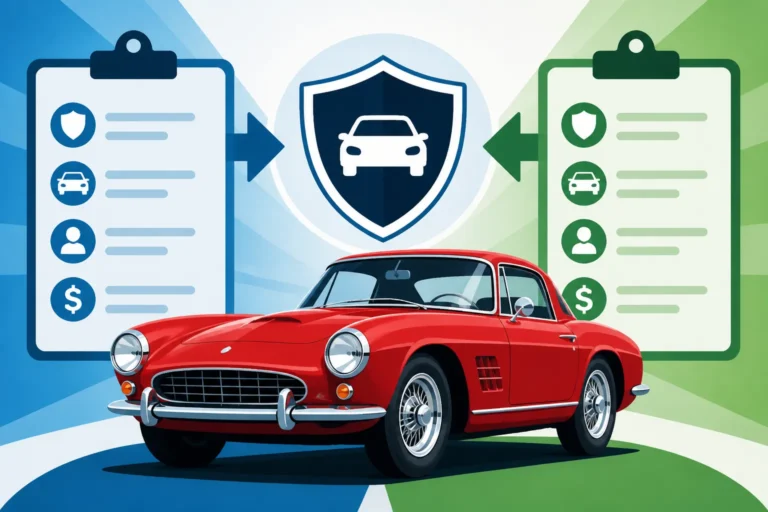
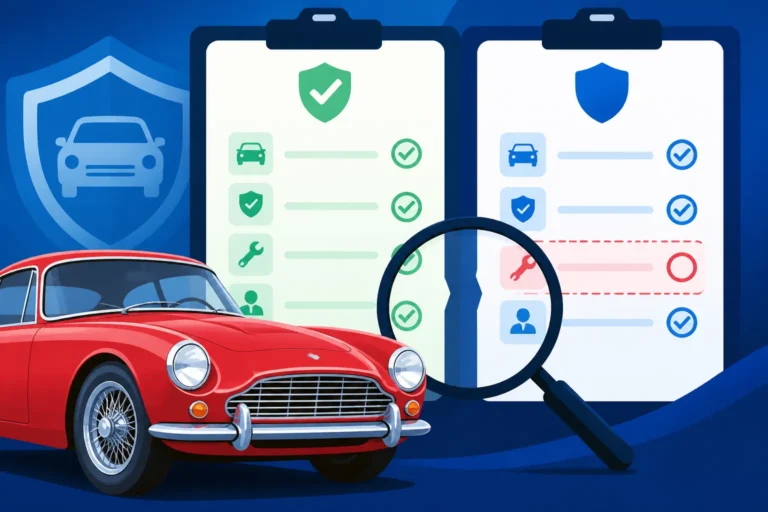
While it's called "agreed" value, there might be a bit of negotiation, especially if your proposed value significantly deviates from what their data suggests. Don't be discouraged! If an insurer suggests a lower value, ask for their reasoning and the data they're using. You can then counter with additional evidence, clarify points about your car's unique features, or even consider a slight adjustment. The goal is a fair, mutually acceptable value. Remember, your ultimate aim is to protect your investment adequately, and understanding How to Compare Agreed Value Offers can help you find the right balance.
Keeping Your Agreed Value Current and Accurate
The classic car market isn't static, and neither is the condition or value of your vehicle. What was a fair agreed value five years ago might be woefully inadequate today, especially if you've done work on the car or if its market has exploded. Regular review is crucial.
Regular Review and Updates for Appreciation or Restoration
Your classic car's value can change over time, often for the better. Market trends for certain models can surge, economic factors can influence collector demand, or perhaps you've invested significantly in its upkeep or restoration. Failing to update your agreed value means you're potentially leaving money on the table in the event of a total loss.
It's a good practice to review your policy's agreed value at least annually, especially at renewal time. Ask yourself these questions:
- Has the market for my specific make and model changed significantly? Have similar cars sold for higher prices at recent auctions?
- Have I completed any significant maintenance or repairs that have enhanced the car's condition or reliability?
- Have I put more money into restoration or upgrades since the last valuation?
- Are there any new factors, like a major award won at a show, that boost its profile?
If you've spent money on a restoration, it's particularly important to update your agreed value. The incremental value added by restoration work needs to be factored in. For example, if you just finished a meticulous frame-off restoration of your 1965 Ford Mustang, you'll have a stack of receipts and photos that clearly show the new value. Contact your insurer, provide the updated documentation, and request an adjustment to your agreed value. Some insurers even offer specific Restoration Coverage for Classic Cars or Inflation Guard Coverage for Classic Cars Explained to help account for rising values, but you'll still need to be proactive. Learning How to Update Coverage After Restoration is key here.
The Impact of Modifications and Enhancements on Value
Modifying a classic car is a hot topic among collectors. For some, originality is everything, while for others, personalizing a vehicle through modifications or creating a restomod is part of the fun. These changes can have a significant impact on your agreed value, for better or worse.
Value-Enhancing Modifications: If you've invested in professional, high-quality modifications that are generally desirable in the classic car community—think a tasteful engine upgrade, a modern braking system, or a high-end paint job on a restomod—these can certainly increase your car's value. In these cases, you'll need to meticulously document the work, including receipts, invoices, and photos, to present to your insurer. For a modern classic like an 80s Porsche 911, an engine rebuild with upgraded components done by a reputable shop might increase its agreed value substantially.
Value-Neutral or Detracting Modifications: Not all modifications add value. A poorly executed custom paint job, questionable aftermarket accessories, or engine swaps that aren't period-correct or professionally done could actually lower your car's market appeal and thus its agreed value. It's important to be realistic and discuss any significant modifications with your insurer. They might adjust the agreed value based on their assessment of how these changes affect market desirability.
Always communicate any major modifications or enhancements to your insurance provider promptly. They'll need to reassess your car's value and potentially adjust your policy and premiums. Being transparent ensures that your policy accurately reflects your car's current state and value, and helps you understand How to Increase Your Agreed Value Over Time.
Common Pitfalls and How to Avoid Them
Even with the best intentions, it's easy to make mistakes when determining your classic car's agreed value. These pitfalls can lead to either being underinsured, leaving you vulnerable, or overinsuring, causing you to pay unnecessary premiums.
Underinsuring Your Classic: A Costly Mistake
This is perhaps the most common and potentially devastating mistake a classic car owner can make. Underinsuring means that the agreed value on your policy is less than what your car is actually worth in the current market.
Imagine your beautiful 1967 Mustang Fastback, which you spent years restoring to perfection, valued at $40,000 on your policy. If a total loss occurs due to fire or theft, and the true market value is $65,000, you've just lost $25,000 out of pocket. That's a gut punch no one wants to experience. This often happens because owners don't update their values regularly, especially after appreciation or restoration work, or they simply underestimate their car's worth.
How to Avoid It:
- Regular Valuations: Review your car's value annually. Don't set it and forget it.
- Professional Appraisals: For significant vehicles, invest in an updated appraisal every few years or after major work.
- Market Research: Stay informed about current market trends. Use resources like Hagerty's valuation tools and auction results to keep a pulse on what similar cars are selling for.
- Document Everything: Every dollar you spend on restoration or significant maintenance adds to your car's value. Keep meticulous records and share them with your insurer.
- Be Realistic, But Assertive: Don't be shy about proposing a fair, well-supported value. If an insurer pushes back, be ready with your evidence. This helps prevent [[Underinsuring a Classic]].
Overstating Value and What That Means for Premiums
On the flip side, overstating your classic car's value can also be a mistake, though less financially damaging in the event of a claim. Proposing an agreed value that is significantly higher than what your car could realistically command in the market won't necessarily get you a larger payout. Insurers will still evaluate your documentation and market data.
If you insist on an inflated value that the insurer believes is unrealistic, they might either refuse to write the policy at that value or, if they do, you'll end up paying higher premiums for coverage you wouldn't actually receive. Insurance is about indemnification – making you whole – not about profiting from a loss. If your 1970 Dodge Challenger is insured for $150,000, but a professional appraisal and market analysis indicate its true value is closer to $100,000, you'll be paying premiums on an extra $50,000 of "phantom" value.
How to Avoid It:
- Be Objective: Base your valuation on objective data, not just sentimental attachment or wishful thinking.
- Use Multiple Sources: Cross-reference values from different appraisal and market data sources.
- Consult Experts: Get input from trusted classic car experts or appraisers.
- Transparent Communication: Be open and honest with your insurer. They are partners in protecting your asset, and clear communication leads to fair and accurate agreed values.
- Understand Your Policy: Always understand the terms. An agreed value policy still relies on a realistic, provable value at the time the agreement is made. This is important to remember when learning How to Avoid Overpaying for Classic Insurance.
By avoiding these common pitfalls, you ensure your classic car is protected appropriately, balancing comprehensive coverage with cost-effective premiums.
Navigating the Agreed Value Process with Confidence
Securing classic car insurance with an appropriate agreed value might seem daunting at first, but with a structured approach, it becomes a straightforward process. Your goal is to present a compelling, evidence-backed case for your vehicle's worth to your chosen insurer.
Step-by-Step Guide to Establishing Your Agreed Value
Let's break down the journey into actionable steps, ensuring you cover all your bases from research to final agreement.
Step 1: Deep Dive into Your Car's History and Condition
Before you even think about numbers, get intimately familiar with your car's current state and past.
- Physical Inspection: Spend quality time scrutinizing your classic. Note every detail: paint condition, interior wear, chrome quality, engine bay cleanliness, tire condition, and any imperfections. Be honest with yourself.
- Mechanical Check: Ensure all systems are in working order. Document any recent repairs or upgrades.
- Photo Documentation: Take high-resolution photos and videos from every angle – exterior, interior, engine bay, trunk, underside (if accessible), VIN plates, odometer, and any unique features. These visuals are crucial evidence.
Step 2: Compile All Relevant Documentation
This is where you build your paper trail, proving your car's lineage and investment.
- Ownership Records: Title, bill of sale, previous registration documents.
- Maintenance & Restoration Records: Keep all receipts, invoices, and detailed logs of work performed, parts purchased, and hours invested. Photos of the restoration process are gold.
- Provenance: Any historical documents, past show awards, magazine features, or previous owner history that adds to its uniqueness.
- Modifications: If your car is modified, document what was done, by whom, and the cost.
Step 3: Research Market Values Extensively
Arm yourself with knowledge of what similar cars are actually selling for.
- Valuation Guides: Utilize trusted sources like the Hagerty Valuation Tools, NADAguides, or other collector car price guides. Look for specific years, models, and condition levels matching your car.
- Auction Results: Check recent results from major classic car auctions (Barrett-Jackson, Mecum, Bring a Trailer, RM Sotheby's). Pay close attention to final sale prices, not just asking prices, and compare conditions.
- Online Listings: Browse reputable classic car marketplaces (Hemmings, ClassicCars.com) to get a feel for current asking prices. Remember, asking price doesn't always equal selling price.
- Consult Car Clubs: Fellow enthusiasts in marque-specific clubs often have deep market knowledge.
Step 4: Consider a Professional Appraisal
For higher-value cars or if you're uncertain, a professional appraiser is a wise investment.
- Find a Qualified Appraiser: Choose an appraiser specializing in classic cars, preferably one recognized by classic car insurance companies.
- Share Your Documentation: Provide them with all your compiled records and photos.
- Review the Report: Carefully read the appraisal report. It will provide an objective, detailed valuation.
Step 5: Propose Your Agreed Value to the Insurer
With all your research and documentation in hand, you're ready to communicate with your chosen classic car insurer.
- Contact Specialty Insurers: Reach out to companies that specialize in collector car insurance, like Hagerty or American Collectors Insurance. They understand the nuances of these vehicles far better than standard insurers.
- Submit Your Package: Provide your proposed agreed value along with all supporting documentation – photos, records, appraisal report, and detailed description.
- Be Prepared to Discuss: The insurer's representative may have questions about your car, its usage, storage, and how you arrived at your value. Be ready to explain your reasoning.
Step 6: Review the Policy and Finalize
Once the insurer reviews your submission, they will either accept your proposed value or suggest an alternative.
- Negotiate if Necessary: If there's a discrepancy, respectfully discuss their reasoning and present any additional supporting evidence you might have. The goal is a mutual agreement.
- Understand Your Policy: Before signing, thoroughly read all policy documents. Understand your deductibles, coverage limits, any endorsements like Spare Parts Coverage Explained or Roadside Assistance Coverage for Classic Cars Explained, and any exclusions. Ensure the agreed value is explicitly stated in the policy.
By following these steps, you take control of the process, ensuring your classic car is valued fairly and accurately, giving you true peace of mind.
Choosing the Right Classic Car Insurance Partner
While determining your agreed value is a crucial step, it's equally important to partner with an insurance company that truly understands the unique needs of classic car owners. Not all insurers are created equal when it comes to collector vehicles.
Why Specialty Insurers Excel for Agreed Value Policies
You might be tempted to just add your classic to your regular auto insurance policy, but that would be a significant oversight. Standard insurers often struggle to properly value classic cars because their models are built on depreciation. Specialty classic car insurers, however, are specifically designed for this niche market.
- Expertise in Valuation: Companies like Hagerty have extensive databases and market experts who understand the nuances of classic car values, including how originality, restoration quality, and provenance impact worth. They are adept at working with agreed value policies because it's their core business model.
- Tailored Coverage: Specialty insurers offer policies specifically designed for collectors. This includes not just agreed value, but also features like Restoration Coverage for Classic Cars, coverage for spare parts, roadside assistance designed for classics (often flatbed towing), and coverage for car shows and tours. These add-ons are rarely found in standard policies.
- Flexible Usage: They understand that classics aren't daily drivers. Their policies are often built around pleasure use and limited mileage, which contributes to lower premiums compared to what a standard insurer might charge for a similar agreed value.
- Claims Handling: In the unfortunate event of a claim, specialty insurers employ adjusters who are knowledgeable about classic cars. They understand the cost of rare parts and specialized labor, ensuring a fair and proper resolution based on your agreed value.
When seeking an agreed value policy, your first stop should always be a specialty classic car insurance provider. They offer the peace of mind that comes from knowing your prized possession is in the hands of experts who appreciate its value as much as you do.
Disclaimer
Please remember that this guide provides general information about determining agreed value for classic car insurance. Insurance policies and requirements can vary by provider and state. It is always recommended to consult directly with a qualified classic car insurance specialist to discuss your specific needs and obtain personalized advice and quotes. The information contained herein should not be considered legal, financial, or insurance advice.