How to Insure a Classic Being Shipped
You've just found your dream classic car, perhaps an immaculate 1967 Mustang Fastback across the country, or maybe you're relocating your prized 1957 Bel Air to a new garage. The thrill of the purchase can quickly turn into a knot of anxiety when it comes to shipping your precious vehicle. The thought of your investment, something you've poured passion and perhaps a significant amount of money into, being on a truck for hundreds or thousands of miles is enough to give any collector sleepless nights. How do you ensure it arrives in the same condition it left? This guide will walk you through everything you need to know about properly insuring a classic car when it's being shipped, helping you protect your automotive treasure every mile of the way.
Understanding the Risks of Shipping Your Classic Car
Shipping a classic car isn't like sending a regular package. These aren't just vehicles; they're rolling works of art, often with irreplaceable parts and finishes. The open road, even in the hands of a professional transporter, presents a unique set of hazards that demand a specialized approach to insurance. It’s not just about getting it from point A to point B; it’s about getting it there safely and fully protected.
Common Hazards During Transport
When your classic is on a truck, it faces a gauntlet of potential dangers, both big and small. These aren't just hypothetical scenarios; they are real-world risks that can quickly turn a dream acquisition into a costly nightmare.
Imagine your beautiful, freshly painted 1969 Camaro strapped down on an open carrier, cruising down the highway. Suddenly, a gravel truck ahead kicks up a stone, sending it flying directly into your car's windshield or pristine chrome bumper. This kind of road debris is a constant threat. Even if the car is in an enclosed trailer, the vibrations and jostling of long-haul travel can cause subtle damage. Components can shake loose, fasteners can fail, or sensitive electrical systems might experience issues.
Accidents are, of course, a major concern. Even the most careful truck driver can't control the actions of other motorists. A sudden brake, a swerving car, or a multi-vehicle pile-up could involve your classic, leading to catastrophic damage. Beyond traffic incidents, there’s the risk of improper loading and unloading. A slip of a ramp, a misjudged maneuver, or an inexperienced handler could result in a fender bender before the car even leaves or after it arrives. The unique dimensions and low clearances of many classics make them particularly vulnerable during these critical phases. Think about a low-slung Shelby Cobra trying to navigate a steep loading ramp; a small error could scrape the undercarriage or damage the front spoiler.
Weather is another unpredictable factor. While enclosed transport significantly mitigates this, an open carrier leaves your vehicle exposed to rain, hail, snow, and even strong winds, which can damage paint, interiors, or even cause water ingress into critical areas. It's easy to dismiss these as minor issues, but for a classic car, even a small scratch or a bit of water damage can significantly devalue it and require expensive, specialized repairs.
Gaps in Standard Shipping Insurance
Many car owners make the critical mistake of assuming that the shipping company's insurance will fully cover their classic car. This is rarely the case, and understanding these limitations is paramount to truly protecting your investment.
Most auto transport carriers operate with a standard cargo liability policy. While this sounds reassuring, it often comes with significant caveats. For starters, the liability limits can be surprisingly low compared to the actual value of a classic car. For example, a carrier might cap its liability at $100,000 or $250,000 per vehicle, which might sound like a lot for a modern daily driver, but it could be far less than the market value of a rare or highly restored classic. If your 1963 Split-Window Corvette, valued at $300,000, is totaled, you could be on the hook for a substantial portion of the loss.
Furthermore, carrier insurance often bases its payout on Actual Cash Value (ACV), which means depreciation is factored in. For a classic, which often appreciates in value, ACV can be a devastating blow. It essentially pays out what they think the car was worth at the moment of loss, not its true market value or the agreed-upon value you might have with a specialty classic car insurer. This can leave you severely underinsured. To learn more about valuation types, check out our article on Agreed Value vs Stated Value vs Actual Cash Value
Beyond valuation, there are often numerous exclusions in standard carrier policies. These can include "acts of God" (like severe weather that couldn't be avoided), road hazards (like flying debris), mechanical malfunctions during transport, or damage due to pre-existing conditions not noted at pick-up. If your car experiences damage from one of these excluded perils, the carrier's insurance may offer little to no compensation. It's a harsh reality that many discover only after a problem arises.
Essential Insurance Options for Classic Car Shipping
Given the inherent risks and the limitations of standard carrier insurance, it's clear that you need to take proactive steps to ensure your classic is fully protected during its journey. This often involves looking beyond the shipping company's basic coverage and exploring dedicated options tailored for high-value vehicles.
Evaluating Your Carrier's Coverage
Before you sign any contract with an auto transport company, a thorough investigation into their insurance policy is absolutely crucial. Don't just take their word for it that they're "fully insured"; delve into the specifics.
Start by asking for a certificate of insurance from their provider, not just a vague statement. This document will detail their coverage limits for cargo, including per-vehicle limits and total cargo limits per truck. You should also inquire about their deductible – some carriers have very high deductibles that might mean they won't pay for minor damage, leaving you to shoulder the cost. Ask if their policy covers "all risks" or only "named perils" (which means only specific, listed events are covered). Crucially, clarify their valuation method. If they only offer Actual Cash Value (ACV), understand that this could significantly shortchange you if your classic is damaged or totaled.
It's tempting to rely solely on the carrier's coverage, especially if they boast about high limits, but remember, their primary goal is to protect their business, not necessarily your specific investment to its full value. Even with a seemingly robust carrier policy, there's often a gap between what they'll pay and what your classic is truly worth, or what it will cost to restore. This is why it's so important to consider supplemental coverage. Think of the carrier's insurance as a basic safety net – you need to add your own specialized safety net underneath it to catch any gaps.
Dedicated Transit Insurance Policies
For maximum peace of mind when shipping a valuable classic car, a dedicated transit insurance policy is often the best solution. These policies are designed specifically for the unique needs of collectible vehicles in transit.
These specialized policies typically offer "agreed value" coverage, meaning you and the insurer agree on the car's value before shipping. If a total loss occurs, you receive that agreed-upon amount, no questions asked about depreciation or market fluctuations. This is a monumental difference from the ACV offered by most standard carriers. Companies like Hagerty, American Collectors, and Grundy often provide these types of transit endorsements or standalone policies. For instance, a policy from Hagerty might cover physical damage, theft, and even damage from natural disasters during transit, tailored to the unique aspects of a classic car. You can explore more about them in our Hagerty Classic Car Insurance Review.
The process usually involves getting a quote for the transit policy, which requires providing details about your vehicle (year, make, model, VIN, agreed value), the shipping route, and the transport company. You'll likely need to submit photos of the vehicle's current condition, which serves as a baseline. These policies can cover a wide range of perils, including collision, fire, theft, vandalism, and often offer roadside assistance that specifically caters to classic cars, such as flatbed towing. The cost will depend on the value of your vehicle, the distance, and the chosen coverage, but it's a small price to pay for the assurance that your irreplaceable asset is truly protected.
Leveraging Your Existing Classic Car Policy
If you already have a specialized classic car insurance policy for your vehicle, there's a good chance it might extend some form of coverage during shipping. However, this is not a given and requires careful verification with your insurer before the car ever leaves its current location.
Many dedicated classic car insurance providers, such as American Modern or J.C. Taylor, offer endorsements or riders that can extend your existing agreed-value coverage to include transit risks. This is incredibly beneficial because it maintains the agreed-value principle that is so crucial for classics. You're not relying on a third-party carrier's ACV, but rather your own insurer's commitment to your car's established value. To understand how to best protect your classic, check out What Does Classic Car Insurance Cover.
Before making any assumptions, contact your classic car insurance provider. Ask them explicitly about coverage for transport:
- Does my current policy extend to cover physical damage during professional transport?
- Is there a specific endorsement I need to add for shipping coverage?
- Are there any limitations on the type of transport (e.g., enclosed vs. open trailer)?
- What are the coverage limits and deductible for transit?
- Does it cover the journey from origin to destination, including loading and unloading?
Some policies might cover short-distance moves but not cross-country shipping, or they might exclude certain types of damage if the vehicle is not securely enclosed. It’s important to clarify if the coverage is "door-to-door" or only during the actual driving portion. If your existing policy doesn't offer adequate transit coverage, or if adding an endorsement is too restrictive, then exploring a dedicated transit policy (as discussed above) becomes even more critical. Never assume; always verify the specifics with a representative who understands classic car policies.
Key Considerations for Protecting Your Investment
Beyond just getting the right insurance, there are several practical steps you can take to minimize risks and ensure a smoother shipping process for your cherished classic. These proactive measures can save you a significant amount of stress and potential financial loss.
Documenting Your Vehicle's Condition
This step is arguably one of the most vital, regardless of how robust your insurance coverage is. Without clear, comprehensive documentation of your vehicle's condition before it gets on the truck, proving any damage sustained during transit becomes a challenging, often impossible, task.
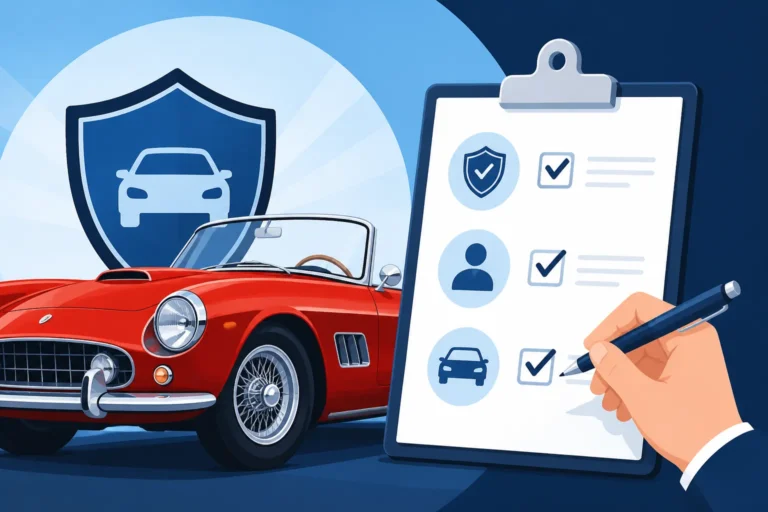
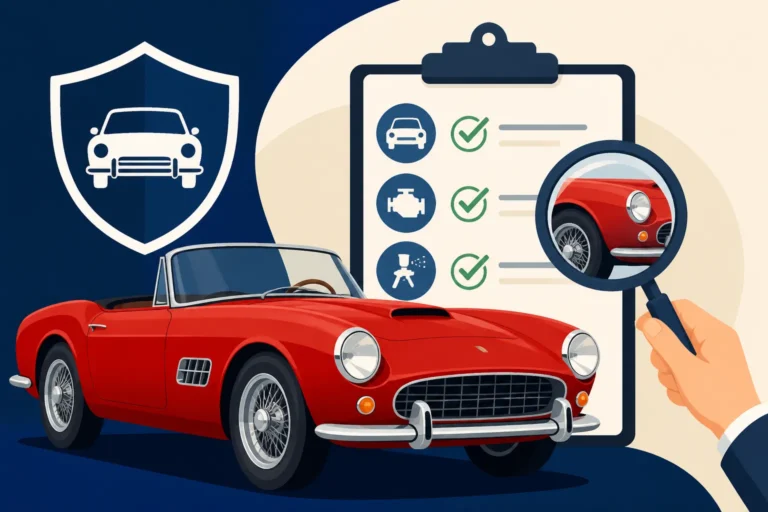
Before the transport driver arrives, perform an incredibly thorough inspection of your classic car. Take high-resolution photos and videos of every single inch of the vehicle. This includes all exterior panels, bumpers, lights, glass, wheels, tires, and even the underside if possible. Don't forget the interior – seats, dashboard, door panels, console, and headliner should all be photographed. Pay close attention to any existing chips, scratches, dents, or imperfections, no matter how minor, and document them clearly. Zoom in on these areas so there's no ambiguity.
Make sure your photos and videos are timestamped, either with your camera settings or by holding up a newspaper with the date clearly visible. This irrefutably proves the condition of the vehicle at that specific moment. When the driver arrives, walk around the car with them and complete a detailed Bill of Lading or condition report. Ensure that any pre-existing damage is meticulously noted and agreed upon by both you and the driver. Sign and date this document, and always keep a copy for your records. This shared, signed inspection form is your primary defense against disputes and a critical piece of evidence should you need to file a claim. Without this step, it's often your word against the transport company's, and that's a battle you're unlikely to win.
Choosing the Right Transport Method and Carrier
The choice of how your classic car is transported and by whom significantly impacts its safety and, by extension, its insurance needs. This isn't a decision to be made lightly.
The most fundamental decision is between open and enclosed transport. Open carriers, while cheaper, leave your vehicle exposed to road debris, weather, and theft attempts. For a valuable classic, this is often a false economy. Enclosed transport, where your car is shielded within a closed trailer, offers superior protection from the elements, road hazards, and prying eyes. Many enclosed carriers are air-ride equipped, providing a smoother journey, and they often use specialized soft straps to secure vehicles, reducing the risk of damage to delicate suspension or bodywork. While more expensive, the peace of mind and reduced risk are usually worth the investment for a collectible. Consider whether your car's value warrants the premium for enclosed shipping.
Vetting the carrier is equally important. Don't just pick the cheapest quote. Look for companies with a strong reputation for handling classic or luxury vehicles. Check online reviews on platforms like Google, Yelp, and the Better Business Bureau. Ask for references from past clients who have shipped similar vehicles. Verify their licensing with the Federal Motor Carrier Safety Administration (FMCSA) and confirm they have an active USDOT number. Most importantly, as discussed earlier, request proof of their cargo insurance and understand its limitations. Reliable transporters will be transparent about their policies and eager to provide you with all necessary documentation. Avoid brokers who simply find the cheapest carrier without proper vetting; work directly with reputable transport companies like Reliable Carriers, Intercity Lines, or Horseless Carriage Carriers, who specialize in classics and high-value vehicles. These specialists often have comprehensive Classic Car Insurance Add-Ons and Endorsements built into their service or partnerships with specialty insurers.
Understanding Valuation and Agreed Value
When it comes to insuring your classic car for shipping, or for any reason, understanding how its value is determined and protected is the bedrock of proper coverage. This is especially true for collectibles, where market value can fluctuate wildly and isn't easily defined by a standard depreciation schedule.
As we touched upon earlier, "Agreed Value" is the gold standard for classic car insurance, whether for a standard policy or during transit. This means that you and the insurance provider agree on a specific dollar amount for your car's value before the policy is issued or before shipping begins. If your car is declared a total loss during transit, you will receive that full agreed-upon amount, period. This eliminates any guesswork, disputes, or frustrating negotiations with adjusters trying to apply depreciation to an appreciating asset. It protects your investment unequivocally. Many specialty classic car insurers, including Hagerty, build their policies around this principle, which is why they are often the preferred choice for collectors. Learn more about Why Agreed Value Matters for Classics.
Contrast this with "Actual Cash Value" (ACV) or "Stated Value." ACV policies pay out the market value at the time of loss, factoring in depreciation, which is almost always detrimental to a classic. Stated Value policies also don't guarantee a payout for the full "stated" amount; the insurer reserves the right to pay out less if they determine the actual market value was lower. For a classic being shipped, either of these options could leave you significantly underinsured. To properly determine your agreed value for transit insurance, you may need an appraisal, especially for highly modified or unique vehicles, or those without a clear market comparable. Even if not strictly required, having an up-to-date professional appraisal can strengthen your agreed-value claim and provide peace of mind. Our guide on How Classic Car Appraisals Work for Insurance offers more detailed insights.
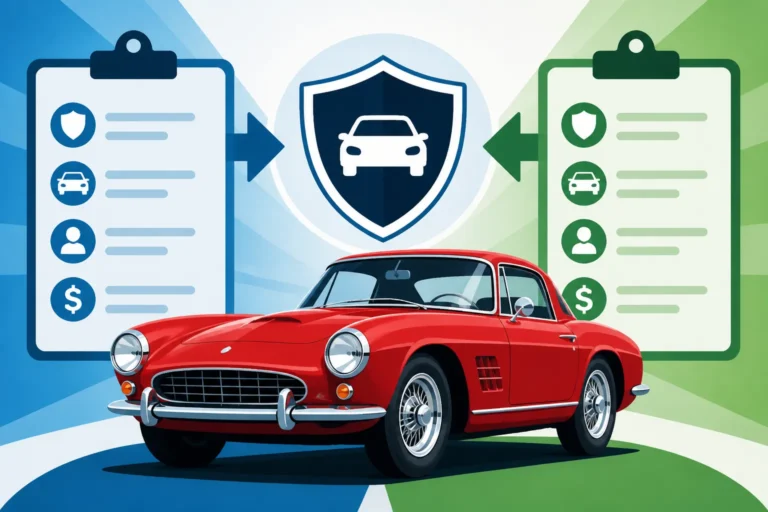
| Insurance Type | Valuation Method | Key Advantages | Key Disadvantages | Best For |
|---|---|---|---|---|
| Carrier's Standard | ACV / Stated Value | Included with shipping, minimal extra cost | Low limits, ACV payout, many exclusions, carrier-focused | Low-value cars, if no other options are available |
| Standalone Transit | Agreed Value | Full agreed-value protection, specific transit perils | Extra cost, separate policy management | All classic cars, especially high-value ones |
| Existing Classic Policy Endorsement | Agreed Value | Maintains existing agreed value, familiar insurer | Not all policies offer it, may have specific restrictions | Classics already insured with a specialty insurer |
The Claims Process and Post-Shipment Best Practices
Even with the best preparation and the most comprehensive insurance, unforeseen incidents can still occur. Knowing exactly what to do if your classic car is damaged during shipping is crucial for a smooth claims process and to ensure your investment is protected.
What to Do Immediately After Damage Occurs
This is a high-stress moment, but reacting correctly immediately upon delivery can make all the difference in a successful insurance claim. Don't let emotion cloud your judgment; follow a clear, methodical process.
When your classic car arrives, perform an immediate and thorough inspection before the driver leaves. Even if the trailer looks undamaged, walk around the entire vehicle. Check for new dents, scratches, paint chips, broken glass, or any other visible issues. Compare the car's condition against the pre-shipment documentation you meticulously created. Do not sign the Bill of Lading or delivery receipt until you have completed this inspection. If you find any damage, no matter how minor, you must document it directly on the Bill of Lading, specifying exactly what and where the damage is. Be as detailed as possible. For example, instead of "dent on fender," write "new 2-inch dent on passenger-side front fender."
Take new photos and videos of the damage, again ensuring they are timestamped. If possible, take these photos with the driver present, and even get their signature acknowledging the damage on your copy of the Bill of Lading. Once the damage is documented on the delivery receipt and you have photographic evidence, contact both the shipping carrier and your insurance provider (if you have a separate transit policy or endorsement) immediately. The sooner you report the damage, the stronger your claim will be. Delay can be used against you. Don't attempt any repairs yourself until you've spoken with your insurer, as unauthorized repairs can complicate the claims process.
Filing a Claim for Shipping Damage
Once you've documented the damage and notified the relevant parties, the next step is to formally file a claim. This process can be daunting, but with your detailed documentation, it becomes much more manageable.
You'll typically file a claim first with the shipping carrier. Provide them with your copy of the Bill of Lading with the noted damage, your pre-shipment documentation, and the photos/videos of the new damage. The carrier's insurance will then begin their assessment. However, remember their limitations (ACV, exclusions). If you have a separate transit policy or an endorsement on your classic car insurance from a specialty provider like Grundy or American Collectors Insurance, you should also file a claim with them concurrently. This is often the more reliable route for a full agreed-value payout.
Your specialty insurer will guide you through their specific claims process. They will likely require all your documentation: the signed Bill of Lading, your pre-shipment photos/videos, and post-shipment photos/videos of the damage. They might also request an estimate for repairs from a reputable classic car restoration shop. If the damage is extensive, they might send out their own adjuster or appraiser to assess the loss. Maintaining clear, consistent communication with your insurer is key. Respond promptly to their requests for information and keep records of all correspondence. Having all your documentation in order from the start will significantly expedite the process and improve the likelihood of a fair and complete resolution.
Post-Shipment Inspection and Maintenance
Even if your classic car appears to arrive in perfect condition, a thorough post-shipment inspection and some basic maintenance checks are highly recommended. Shipping can be hard on a car, even if no visible damage occurs.
Once your car is safely in your garage, give it another, more relaxed, and comprehensive inspection. Check all fluids (oil, coolant, brake fluid) for proper levels and any signs of leaks. The vibrations and movements during transport can sometimes dislodge hoses or fittings. Examine all four tires for proper inflation, flat spots (especially if the car sat for a long time on the truck without moving), or any signs of sidewall damage. Test the battery, as long periods of inactivity or temperature fluctuations can sometimes drain it.
Run through all electrical systems: lights, wipers, horn, radio, power windows, and turn signals. Sometimes, subtle electrical issues can manifest after a long journey. Give the engine a careful listen for any unusual noises or vibrations once it's started. If your car has a particularly delicate suspension or custom chassis, consider taking it to a trusted mechanic specializing in classics for a professional once-over. They can check alignment, suspension components, and the undercarriage for any issues that might not be immediately apparent to the untrained eye. This proactive approach ensures that your classic is truly ready for its next drive and helps catch any hidden problems before they become bigger, more expensive issues. To ensure long-term coverage after purchase, understanding How to Insure a Classic Car Legally and keeping your policy updated is essential.
Disclaimer
Please remember that this article provides general information and guidance regarding classic car shipping and insurance. Insurance policies can be complex and vary significantly by provider and individual circumstances. It is crucial to consult directly with insurance professionals and shipping companies to discuss your specific needs and obtain personalized advice and quotes. This content is not intended to provide legal, financial, or insurance advice.