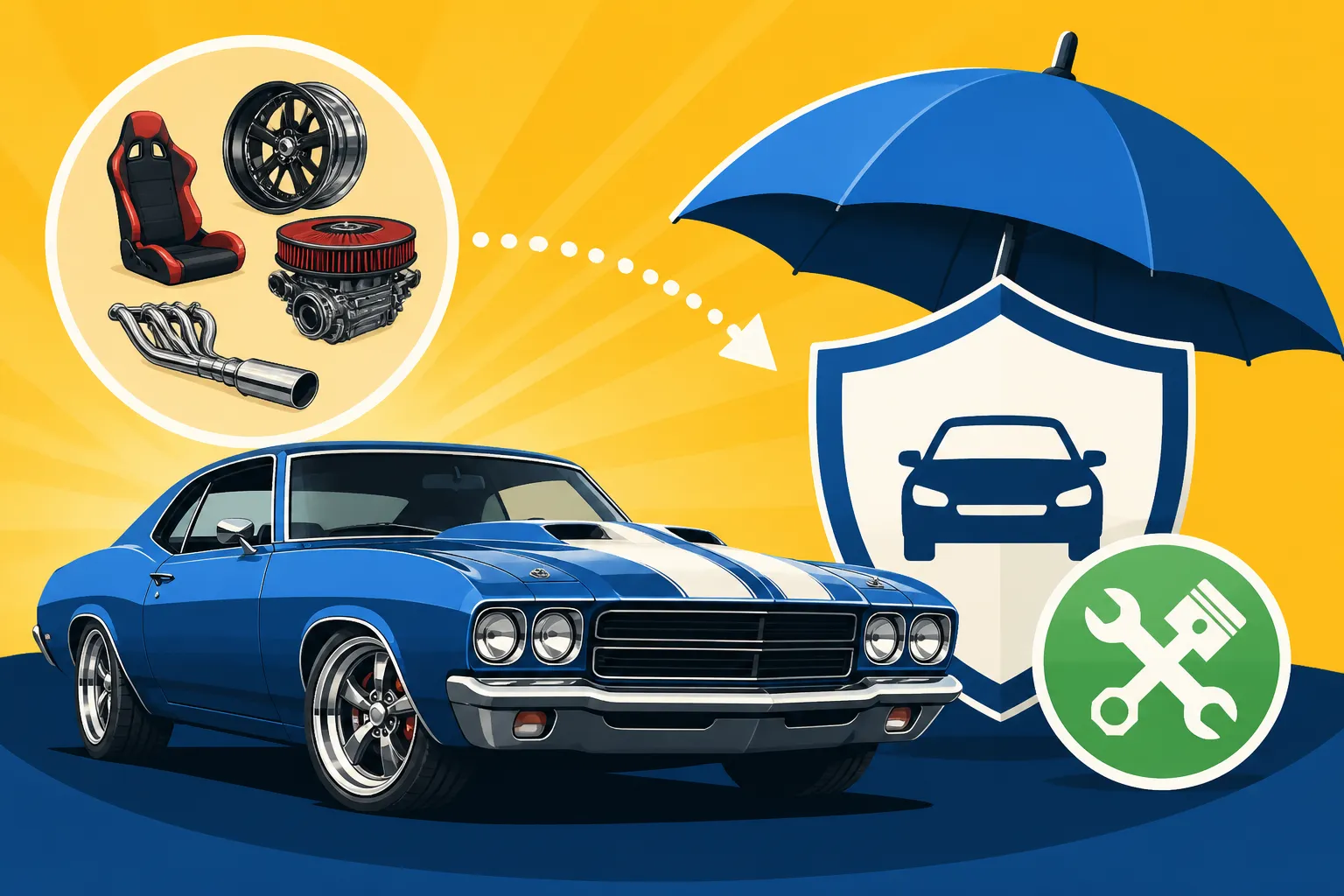
How to Add Coverage for New Modifications
You’ve just spent countless hours, not to mention a significant chunk of change, bringing your classic car vision to life with a fantastic new modification. Whether it's a potent engine upgrade, a custom paint job that turns heads, or a finely tuned suspension, there's a unique joy in customizing your ride. But then, a familiar worry sets in: "Is my beloved classic still fully covered by my insurance?" It’s a completely understandable concern, and ensuring your policy keeps pace with your investment is crucial. This guide will walk you through the essential steps to add coverage for new modifications, making sure your classic is protected, come what may.
Understanding Why Modifications Need Special Coverage
When you initially insured your classic car, your specialty insurer likely set an "agreed value" for your vehicle. This isn't just a number pulled out of thin air; it's a specific valuation agreed upon by you and the insurance company, typically based on market data, appraisals, and the car's condition at that time. This agreed value is what you would receive if your vehicle were deemed a total loss, rather than a depreciated "actual cash value" found in standard auto policies. It’s one of the biggest benefits of having specialized classic car insurance.
The "Agreed Value" Principle and Modifications
The problem arises when you introduce modifications that significantly enhance your classic's value without updating your insurer. Imagine you have a beautiful 1969 Camaro insured for $50,000 on an agreed value policy. You then decide to drop in a modern LS crate engine, upgrade the brakes, and add a custom interior – easily adding $20,000 or more to its real-world value. If you don't inform your insurer and your Camaro is unfortunately totaled in an accident, your policy would still only pay out the original $50,000 agreed value. This leaves you personally on the hook for the substantial investment you made in the modifications, a truly heartbreaking scenario for any enthusiast. This is precisely why understanding How Agreed Value Is Determined is paramount.
Failing to update your agreed value after substantial modifications means you are effectively underinsuring your vehicle. It’s like insuring a house for its value before a major renovation and expecting the insurance company to cover the new gourmet kitchen and master suite additions when a fire strikes. Specialty classic car insurers understand that these cars are more than just transportation; they're passions, and their value often appreciates, especially with well-chosen enhancements. That’s why many, like Hagerty, make the process of updating your valuation straightforward, but it requires your proactive participation.
Types of Modifications That Impact Value
Not all modifications impact your classic car's insurance value in the same way, but most significant changes will warrant a conversation with your insurer. Generally, any alteration that improves performance, aesthetics, or structural integrity will affect its collectible worth.
Performance modifications are often the most impactful. This could include engine swaps, adding superchargers or turbochargers, upgrading exhaust systems, or installing performance braking and suspension components. A 1970 Challenger with a highly tuned modern Hemi engine will undoubtedly command a higher value than one with its original, less powerful engine, especially if the work is professionally done. These types of upgrades not only change the vehicle's driving characteristics but also its market appeal and replacement cost. You can learn more about Requirements for Insuring a Modified Classic through specialized policies.
Aesthetic and structural modifications also play a significant role. Think about a custom paint job that cost thousands of dollars, a completely re-trimmed interior with bespoke leather and modern conveniences, or bodywork changes like custom widebody kits or convertible conversions. Even structural enhancements, such as chassis reinforcement or custom roll cages in a track-day classic, add considerable value and require proper documentation. The key is to recognize that any investment you make to enhance your classic's uniqueness, performance, or appearance needs to be reflected in its agreed value to ensure comprehensive protection.
The Step-by-Step Process to Update Your Policy
Adding coverage for new modifications isn't a daunting task, especially when you work with a specialty insurer that understands the collector car world. The key is proactive communication and meticulous documentation.
Documenting Your Modifications Thoroughly
Before you even pick up the phone to call your insurance provider, you need to gather all the pertinent information about your modifications. This isn't just about showing off your new parts; it's about providing concrete proof of the investment and the enhancement to your vehicle's value. The more detailed and organized your documentation, the smoother the process will be.
Start a dedicated folder, either physical or digital, specifically for your classic car's modifications. In this folder, you should keep every single receipt for parts purchased. Did you buy a new carburetor from a specialty shop, or custom wheels from a specific vendor? Keep those invoices. If you had professional work done, like an engine rebuild or a paint job, ensure you have itemized invoices from the shop detailing the labor and materials. These receipts provide a clear paper trail of your expenditures. Beyond financial records, take plenty of photographs and videos. Capture "before" pictures to show the original state, and then take detailed "during" and "after" photos of the modifications. Show the parts being installed, the quality of the workmanship, and the final look. For instance, if you're upgrading your suspension, take photos of the old components, the new components unboxed, during installation, and the finished stance of the car. These visual aids are invaluable for an insurer to understand the scope and quality of the work. You can also mention how this affects How Appraisals Support Agreed Value if a new one is needed.
Contacting Your Specialty Insurer
Once your documentation is in order, the next crucial step is to reach out to your classic car insurance provider. Don't put this off! The sooner you inform them, the sooner your new modifications are properly covered. Most specialty insurers, like Hagerty, have dedicated teams that understand the nuances of classic car modifications and are happy to guide you through the process.
You can typically contact them via phone, email, or through their online portal. Be prepared to share all the documentation you've compiled. Explain the nature of the modifications: were they performance upgrades, cosmetic changes, or structural enhancements? Provide the total cost of the parts and labor. They will likely ask specific questions about the type of modification, who performed the work (professional shop or DIY), and the estimated increase in your car's value. For example, if you just installed a high-performance exhaust system on your Ford Mustang, be ready to tell them the brand, the cost, and if it was installed by a certified mechanic or yourself. This conversation is essential for them to understand how your policy might need to be adjusted. If you’re unsure, it’s always better to over-communicate rather than leave something out.
Re-evaluating Your Agreed Value and Premium
After reviewing your submitted documentation, your insurer will assess how the new modifications impact your classic car's agreed value. This isn't always a direct dollar-for-dollar addition of your modification costs to the previous agreed value. Instead, they will consider how those modifications enhance the overall market value and desirability of your specific vehicle.
The insurer might utilize their own valuation tools, consult market data for similarly modified vehicles, or even request a formal appraisal, especially for extensive or highly custom work. This process helps establish a new, updated agreed value that accurately reflects your classic's current worth. Once the new agreed value is determined, your premium will likely be adjusted. Since the car is now worth more, the cost to insure it will naturally increase. However, this increase is a small price to pay for the peace of mind knowing that your significant investment in modifications is fully protected. Don't be shy about discussing How to Increase Your Agreed Value Over Time with your agent; they can help clarify the process. Remember, the goal here is not just to pay more, but to ensure that in the event of a total loss, you are compensated fairly for the true value of your cherished modified classic.
Common Challenges and Important Considerations
While adding coverage for modifications is a straightforward process with specialty insurers, there are a few common challenges and important considerations that classic car owners should be aware of to ensure a smooth experience.
Dealing with DIY Modifications
Many classic car enthusiasts love to get their hands dirty and perform modifications themselves. There's immense pride in a DIY engine swap or a custom interior stitched by your own hands. However, valuing these "sweat equity" modifications for insurance purposes can be a bit trickier than presenting a stack of professional shop invoices. Insurers want to see objective proof of value.
If you've performed the work yourself, you'll still need to meticulously document all the parts purchased with receipts. For the labor aspect, while you can't submit a personal invoice, you can often provide details on the complexity of the work, the hours spent, and any specialized tools or equipment you invested in. Some collectors even get estimates from professional shops for what the same work would have cost, to provide a comparative basis for the value of their labor. Emphasizing the quality of your work with extensive photos and describing your experience can also help. Insurers understand that many classics are labor-of-love projects, but the more objectively you can present the value of your efforts, the better. This also ties into Appraisal Requirements for Classic Car Insurance for modified vehicles, where an appraiser can assess the quality of DIY work.
Policy Exclusions and Limitations
It's crucial to understand that not every modification or use scenario will be covered under a standard classic car policy, even if you've updated your agreed value. Specialty policies are designed for specific uses – usually pleasure driving, shows, and occasional spirited drives, not competitive racing or daily commuting. For instance, if you've heavily modified your classic for track days or competitive drag racing, your standard classic car insurance policy will likely have exclusions for damage sustained during such events.
Always review your policy document or discuss potential exclusions with your insurer. Some extreme modifications, like those that render the car illegal for street use or significantly compromise safety, might also lead to coverage limitations or even outright denial. Make sure to ask about Classic Car Insurance Add-Ons and Endorsements which might offer extended coverage for specific scenarios not covered by the base policy. For example, if you plan to show your car extensively, ensure your policy covers damage or theft at events. Open communication with your provider about your intended use and modifications is the best way to avoid unwelcome surprises if you ever need to file a claim.
The Role of Appraisals for Modified Classics
For significant or highly custom modifications, your insurer may require an independent appraisal to establish the new agreed value. This isn't a punitive measure; it's a way to ensure both you and the insurer have an unbiased, expert assessment of your classic's worth.
An appraisal for a modified classic goes beyond simply listing original components. A qualified appraiser will examine the quality of the modifications, the parts used, the workmanship, and how these changes affect the car's marketability and overall value. They'll consider factors like professional installation, the reputation of the shops involved, and the aesthetic integration of the modifications. For example, a meticulously installed supercharger by a renowned performance shop will likely add more value than a poorly fitted aftermarket turbo kit. When seeking an appraisal, make sure to find an appraiser who specializes in classic and modified vehicles, as they will have the expertise to accurately assess your unique car. You can often find appraisers recommended by classic car clubs or specialty insurers like Hagerty. To gain further insight, consider reading How to Get a Classic Car Appraisal.
Maintaining Your Coverage Over Time
The world of classic cars is rarely static. You might add more modifications, make further improvements, or simply want to ensure your coverage keeps pace with market trends. Maintaining your classic car insurance is an ongoing process, not a one-time event.
Regular Policy Reviews
Just as you schedule regular maintenance for your classic car, you should also schedule regular reviews of your insurance policy. This is especially true if you continue to make modifications. An annual check-in with your insurer is a good habit. During this review, you can discuss any new modifications you've completed, inquire about any significant market value changes for your specific make and model, and update your mileage estimates if your driving habits have changed.
Even if you haven't made any new modifications, collectible car values can fluctuate. An annual review ensures your agreed value remains current, preventing you from being underinsured if the market value of your classic has appreciated. Think of it as tuning up your policy to ensure it’s performing optimally. This also provides an opportunity to inquire about Classic Car Insurance Add-Ons and Endorsements you might want to consider as your collection grows or your needs evolve. For example, if your classic car is truly becoming a restomod, you might want to look at specific coverage options designed for such vehicles.
Keeping Records Updated
Your documentation folder for modifications shouldn't be a one-and-done project; it should be a living document. Every time you make an enhancement, however small, add the receipts, photos, and any relevant notes to your file. This creates a comprehensive history of your car's evolution and all the investments made into it.
This continuous record-keeping becomes invaluable for a few reasons. Firstly, if you ever need to file a claim, having all your records at hand will streamline the process and help justify the agreed value. Secondly, if you decide to sell your classic, a detailed history of modifications and maintenance significantly adds to its provenance and value. Thirdly, it makes subsequent policy adjustments much easier. If you've been diligently updating your records, providing your insurer with the latest information is quick and efficient. This practice goes hand-in-hand with How to Update Coverage After Restoration and ensures that the financial and emotional investment you've poured into your modified classic is always recognized and protected.
Here's a quick look at the kinds of documentation that are crucial for modifying your classic:
| Document Type | Purpose | Importance Level |
|---|---|---|
| Purchase Receipts | Proof of cost for all parts and materials. | High |
| Shop Invoices | Details of professional labor and associated costs. | High |
| "Before" Photos | Establish baseline condition and scope of change. | Medium |
| "During" Photos | Document installation process and quality of work. | High |
| "After" Photos | Showcase the final appearance and finished project. | High |
| Appraisal Reports | Independent verification of vehicle value, especially after major modifications. | High (for major mods) |
| Build Journals | Personal notes on processes, challenges, and hours spent. | Medium |
| Dynamometer Sheets | Proof of performance gains (for engine mods). | Medium |
Disclaimer
Please remember that this information is intended for general guidance only and does not constitute professional insurance advice. Insurance policies vary significantly by provider and individual circumstances. It is crucial to consult directly with a qualified insurance agent or your specific classic car insurance provider to understand your policy's terms, conditions, and any specific requirements related to modifications. Always verify coverage details before making any assumptions.