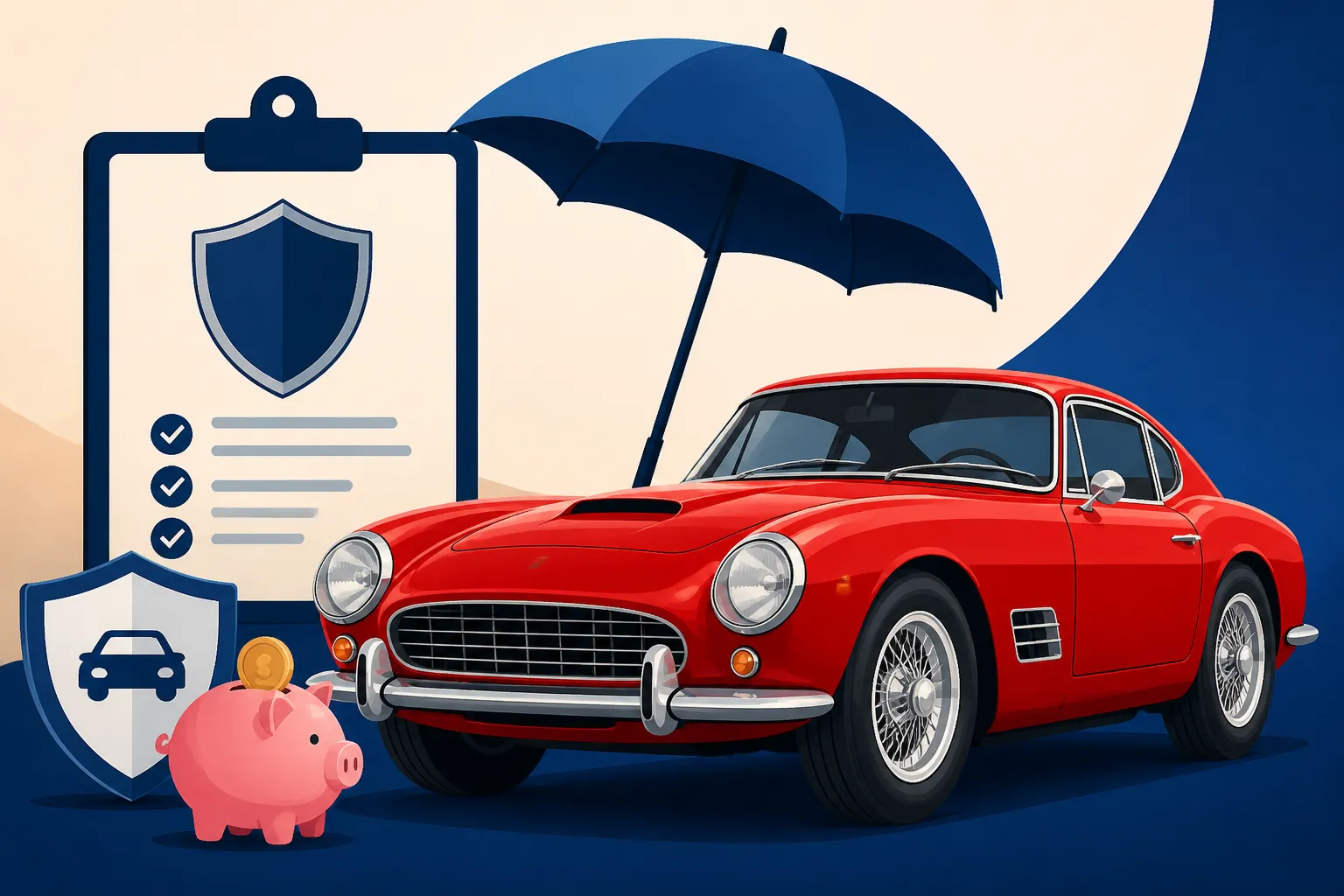
Classic Car Insurance Cost for a $150,000 Vehicle
Owning a classic car, especially one valued at $150,000, is a dream come true for many enthusiasts. But with that joy often comes the gnawing worry: "Am I truly protecting this significant investment?" It's a valid concern, as standard auto insurance simply won't cut it. This guide is here to unravel the complexities of insuring a high-value classic, helping you understand the factors influencing costs and how to secure the best coverage for your prized possession.
Understanding the Unique Needs of a $150,000 Classic
When you're dealing with a vehicle worth $150,000, you're not just buying a car; you're investing in a piece of automotive history, a rolling work of art. This isn't your daily commuter, and its insurance needs are vastly different. Trying to fit it into a standard policy is like trying to put a square peg in a round hole – it just won't work, and you'll likely face devastating consequences if something goes wrong.
Why Standard Auto Insurance Falls Short for High-Value Vehicles
Imagine this scenario: You've just finished a meticulous restoration on your 1965 Shelby GT350, bringing it to concours-level perfection, now valued at $150,000. If you had it on a standard auto policy and it was unfortunately totaled in an accident, that policy would likely only pay out its "Actual Cash Value" (ACV). ACV deducts for depreciation, just like it would for a newer, mass-produced car. For a classic, which often appreciates in value, this is a financial disaster. You could be looking at a payout of maybe $50,000 or $60,000, leaving you severely underinsured and out of pocket for a significant amount of your investment. Regular insurance companies simply aren't set up to understand or properly value the unique nature of collector vehicles. They don't grasp the nuances of provenance, restoration costs, or market demand for specific vintage models.
The Paramount Importance of Agreed Value Coverage
This is where specialty classic car insurance shines, and its cornerstone is Agreed Value Coverage Explained. Unlike ACV, Agreed Value means that you and your insurer agree on the car's specific worth at the beginning of the policy term. If your $150,000 classic is a total loss, the insurer pays out that exact agreed-upon amount, no questions asked, no depreciation applied. This peace of mind is invaluable when you've poured your heart, soul, and considerable funds into a vehicle like a rare Ferrari 308 GTS or a perfectly restored Porsche 911 Targa. For a $150,000 classic, this isn't an optional add-on; it's an absolute necessity. Without it, you're essentially gambling with a substantial portion of your investment. You need to understand the nuances between "Agreed Value vs Stated Value vs Actual Cash Value" to ensure you're getting the right protection.
The Role of Appraisals and Valuation for Accurate Coverage
To get that crucial Agreed Value for your $150,000 vehicle, a professional appraisal is often required, especially for higher-value cars. Think of it as getting a detailed report card for your classic. A qualified appraiser will meticulously inspect your vehicle, considering its condition, originality, restoration quality, provenance (history of ownership), rarity, and current market trends. They'll look at comparable sales and auction results to provide a comprehensive valuation. This appraisal then serves as the bedrock for your Agreed Value policy. Some insurers, like Hagerty, have excellent internal valuation tools and a vast database of classic car sales that can help streamline this process, potentially reducing the need for an external appraisal for certain vehicles. However, for a $150,000 asset, it’s always a good idea to have solid documentation. Learn How Appraisals Affect Insurance Cost and How to Get a Classic Car Appraisal to navigate this process effectively.
Key Factors Influencing Premiums for High-Value Classics
The cost of classic car insurance for a $150,000 vehicle isn't a fixed price. Many elements come into play, each contributing to your final premium. Understanding these factors is crucial for not only getting an accurate quote but also for potentially reducing your costs. It's not just about the car's value; it's about how you own and maintain it.
Vehicle Specifics: Make, Model, Rarity, and Condition
Even among $150,000 cars, there's a spectrum. A perfectly restored 1970 Plymouth Barracuda Hemi will likely have different premium considerations than an equally valued, but perhaps less volatile, 1950s Mercedes-Benz 300 SL Gullwing.
- Make and Model: Certain brands and models carry higher inherent risks or repair costs. Parts for a vintage Aston Martin or a specific Shelby Mustang can be exceedingly rare and expensive, driving up potential repair or replacement costs for the insurer.
- Rarity and Desirability: Ultra-rare classics might seem like higher risks, but their rarity often means they are meticulously cared for and driven sparingly. However, if a part is custom-fabricated, the cost of repair goes up. Highly desirable cars, especially those prone to theft (like certain muscle cars), might see slightly higher comprehensive coverage components of their premiums.
- Condition and Restoration Quality: A car in pristine, award-winning condition, especially one with a documented, high-quality restoration, often qualifies for better rates. This signals to the insurer that the owner is serious about maintenance and preservation. A car that is a "survivor" (original, unrestored condition) can also command favorable rates due to its authenticity.
- Modifications and Customizations: If your $150,000 classic is a highly modified restomod, it can influence premiums. While specialty insurers generally cover modifications, the nature and extent of those changes can alter the risk profile. Custom engines, unique bodywork, or upgraded suspension systems might require specific discussions with your insurer to ensure proper coverage. Check out Requirements for Insuring a Modified Classic for more details.
Driver Profile and Usage Expectations
Your personal driving history and how you intend to use your valuable classic are significant cost drivers.
- Driving Record: A clean driving record with no at-fault accidents or major violations is paramount. Insurers view responsible drivers as lower risks, translating to better rates. Even for a classic, a history of speeding tickets or DUIs on your regular cars will negatively impact your classic policy.
- Age and Experience: Experienced drivers, typically those over 25 and with a history of safe driving, often receive more favorable rates. Insuring a classic car for teenagers in the household can be complex and expensive, if even possible, as they represent a higher risk pool.
- Usage Limitations (Mileage): Classic car policies are built on the premise of limited, pleasure-use driving. Most policies come with mileage tiers (e.g., 1,000, 2,500, or 5,000 miles per year). For a $150,000 classic, it's rare that you'd be daily driving it, making these limits easy to adhere to and keeping costs down. However, if you plan on extended touring or frequent rallies, you might need to opt for a higher mileage tier or even consider Unlimited Mileage Classic Car Insurance Explained, which will, of course, increase your premium.
- Other Vehicles in Household: Most specialty insurers require that the classic car owner also have a separate, modern vehicle for daily use. This reinforces the "pleasure use" aspect of the classic, signaling it's not relied upon for primary transportation. For more on this, look into Do You Need a Separate Car for Classic Insurance.
Storage, Security, and Location Considerations
Where and how your $150,000 classic is stored is a major factor in its risk profile and, consequently, its insurance cost.
- Secure Storage: A locked, private garage is usually a non-negotiable requirement for high-value classic cars. This significantly reduces the risk of theft and vandalism. Storing your car in a carport, public storage unit, or even a well-maintained garage without robust security can lead to higher premiums or even make you ineligible for coverage with some specialty insurers. Factors like a Garage Storage Requirement for Classic Cars are common.
- Security Features: Beyond a basic garage, additional security measures can sometimes lead to discounts. This includes alarm systems, GPS tracking devices, fire suppression systems, and even professional 24/7 security monitoring for high-end collections.
- Geographic Location: Your zip code plays a role. If you live in an area with high rates of auto theft, vandalism, or natural disasters (like coastal areas prone to hurricanes, or regions with frequent hailstorms), your comprehensive coverage portion of the premium will be higher. Insurers assess localized risks to calculate premiums. For instance, classic car insurance requirements in Florida might factor in hurricane risks more heavily than in, say, Arizona.
What to Expect: Average Costs for a $150,000 Classic
So, with all those factors in mind, what can you realistically expect to pay for classic car insurance for your $150,000 vehicle? While I can't give you an exact figure without knowing all the specifics, I can provide a solid range and explain why it fluctuates. Remember, classic car insurance is generally much more affordable than insuring a new car of comparable value because of the limited use and careful ownership associated with classics.
Averages and Ranges: Setting Realistic Expectations
For a classic car valued at $150,000, with an owner who has a clean driving record, a secure garage, and opts for a typical limited mileage plan (e.g., 2,500 miles/year), you could reasonably expect annual premiums to fall somewhere in the range of $1,200 to $2,500.
However, this is a broad average. Here's why you might see variations:
- Lower End ($1,200 – $1,800): This might be for a well-established collector with multiple vehicles (qualifying for multi-car discounts), excellent driving history, a very secure storage facility (alarmed, climate-controlled garage), and a classic that is less prone to theft or extremely costly parts (e.g., certain less-common European sedans or meticulously maintained pre-war vehicles). It could also depend on the state; for example, Classic Car Insurance Cost in Ohio might be on the lower end compared to metropolitan areas.
- Higher End ($1,800 – $2,500+): This range might apply to a newer collector, a classic like a rare muscle car with higher theft potential, or an exotic classic with extremely expensive parts. If the owner lives in a higher-risk geographic area, or if they require additional specialized coverages like overseas shipping protection or extremely high agreed values for spare parts, the premium will naturally climb. Also, if you choose a policy with Unlimited Mileage Classic Car Insurance Explained, expect to pay more.
It's important to get multiple quotes to compare. The table below illustrates how different factors can push the premium up or down for a $150,000 classic.
| Factor Category | Example Scenario (for $150,000 Classic) | Potential Premium Impact |
|---|---|---|
| Driver Profile | Clean record, 50-year-old, 20+ years driving experience | Lower |
| Clean record, 30-year-old, 5 years driving experience | Moderate | |
| Minor speeding ticket (within 3 years) | Moderate to Higher | |
| Vehicle Type | Classic Mercedes-Benz 280SL (well-maintained, low theft risk) | Lower |
| 1969 Dodge Charger R/T (high desirability, moderate theft risk) | Moderate | |
| Highly customized hot rod (unique parts, higher risk) | Higher | |
| Storage & Security | Locked, private garage with alarm & climate control | Lowest |
| Standard locked garage | Moderate | |
| Carport or public storage | Higher (or ineligible) | |
| Mileage Tier | 1,000 miles/year | Lower |
| 2,500 miles/year | Moderate | |
| 5,000 miles/year or unlimited | Higher | |
| Geographic Location | Rural area with low crime & low natural disaster risk | Lower |
| Major metropolitan area, moderate crime | Moderate | |
| Coastal area prone to hurricanes, high urban theft | Higher |
Comparing Specialty Insurers
When insuring a high-value classic, you absolutely need to work with a specialty insurer. Companies like Hagerty, Grundy, American Collectors Insurance, and Heacock Classic are experts in this niche. They understand the intricacies of collector car values and provide policies tailored to classics.
- Hagerty: One of the most well-known names, Hagerty offers comprehensive policies for a wide range of classics, including those valued at $150,000. They are particularly strong with valuation services and offer benefits like roadside assistance specifically designed for classic cars, often with flatbed towing. Their premiums for a $150,000 vehicle tend to be competitive, especially for cars with a good history and securely stored.
- Grundy: Often praised for their "Guaranteed Value" policies, Grundy is another top-tier insurer for high-value classics. They might appeal to collectors seeking minimal mileage restrictions (though still pleasure-use focused) and have a reputation for excellent claims service. Their offerings for a $150,000 car would also fall within a similar competitive range.
- American Collectors Insurance: This company also specializes in collector vehicles and offers flexible policy options, including Agreed Value coverage and various add-ons. They are a strong contender when comparing quotes for a valuable classic.
It's wise to get quotes from at least two or three of these Best Specialty Classic Car Insurers to compare not just the premium, but also the nuances of their coverage, deductibles, and customer service. Each insurer has slightly different underwriting criteria and may offer different perks that could be more beneficial to your specific situation. Don't just look at the bottom line; dive into what the policy actually covers.
Additional Coverages to Consider for High-Value Cars
For a $150,000 classic, basic Agreed Value is essential, but there are other Classic Car Insurance Add-Ons and Endorsements that provide critical protection:
- Spare Parts Coverage: If you have a collection of rare, original spare parts for your $150,000 classic (which is common for cars of this value), you'll want to ensure they're insured. These parts can be incredibly valuable on their own.
- Restoration Coverage: If your $150,000 classic is currently undergoing or planning a significant restoration, this coverage protects the car's increasing value as work progresses and ensures materials and labor are covered in case of a mishap. Learn about Restoration Coverage for Classic Cars if this applies to you.
- Inflation Guard: This endorsement automatically adjusts your Agreed Value coverage upwards by a small percentage (e.g., 2-6%) each year to account for market appreciation, ensuring your $150,000 asset stays adequately insured as its value potentially grows. This is especially important for highly sought-after classics.
- Roadside Assistance and Flatbed Towing: While standard roadside assistance is good, ensure your policy includes flatbed towing. This is crucial for classics to prevent damage from traditional hook-and-chain towing.
- Automobilia and Memorabilia Coverage: If you collect car-related artifacts, artwork, or signed items, some specialty policies offer coverage for these items as well, which can be significant additions to your collection's overall value.
- Show and Tour Coverage: If you plan to exhibit your $150,000 showpiece at events like the Pebble Beach Concours d'Elegance or take it on a cross-country rally, ensure your policy specifically covers these activities, including transit to and from events.
Strategies to Manage and Optimize Your Classic Car Insurance Costs
Even with a $150,000 classic, there are intelligent ways to manage your insurance costs without sacrificing crucial coverage. It’s about being proactive and understanding the various levers you can pull.
Maximizing Discounts and Policy Bundles
Specialty insurers offer a variety of discounts tailored to classic car owners that can significantly reduce your premium.
- Multi-Car Discounts: If you own more than one classic, insuring them all under a single policy with the same insurer often yields a multi-car discount. This is a common and effective way to lower the overall cost for your collection.
- Car Club Membership: Many insurers, including Hagerty, offer discounts to members of recognized classic car clubs (e.g., Porsche Club of America, Shelby American Automobile Club). This signals to the insurer that you are a serious enthusiast who values their vehicle.
- Secure Storage Discounts: As mentioned earlier, proving your car is stored in a locked, private garage or a professional storage facility can lead to a discount. Extra security features like alarm systems or fire suppression can further reduce rates.
- Defensive Driving Course Discounts: Some insurers provide a small discount if you've completed an approved defensive driving course, demonstrating your commitment to safe driving.
- Homeowners Policy Bundling: While specialty classic car insurance is separate from your regular auto policy, some insurers (or their parent companies) might offer discounts if you bundle your classic car policy with your homeowners' insurance. This isn't universally available but is worth asking about. Always ask How to Save on Classic Car Insurance.
Adjusting Deductibles and Mileage Tiers
These two aspects give you direct control over your premium, allowing you to balance cost with your comfort level for out-of-pocket expenses.
- Deductibles: Choosing a higher deductible on your comprehensive and collision coverage will lower your annual premium. For a $150,000 classic, if you have a robust emergency fund and are comfortable covering a larger portion of a potential repair yourself, increasing your deductible from, say, $500 to $1,000 or even $2,500 can lead to noticeable savings. However, make sure you choose a deductible you can comfortably afford in the event of a claim.
- Mileage Tiers: Carefully assess how much you truly drive your $150,000 classic. If you only take it out for weekend cruises and car shows, a 1,000 or 2,500-mile annual limit might be perfectly sufficient. Choosing a lower mileage tier directly translates to a lower premium. Don't overestimate your usage; if you consistently stay within a lower tier, you're essentially paying for miles you don't use if you opted for a higher one. Be aware of Classic Car Insurance Mileage Limits by State and How Mileage Limits Affect Cost.
Regular Review and Updating Your Policy
Your classic car's value isn't static, and neither should be your insurance policy. Regular check-ins are vital, especially for a $150,000 vehicle that might be appreciating.
- Annual Policy Review: At renewal time, don't just blindly pay the bill. Take the opportunity to review your policy. Has your car's value changed? Have you added any significant modifications or completed a new restoration phase? Have your driving habits or storage conditions changed? Communicating these updates to your insurer can ensure you're always properly covered.
- Updating Agreed Value: If your $150,000 classic experiences a significant increase in market value (e.g., due to a rare auction sale of a similar model, or if you win a major award at a show), don't wait for renewal. Contact your insurer, provide new documentation or an updated appraisal, and adjust your Agreed Value. This proactive step prevents you from being underinsured if the worst happens. How to Increase Your Agreed Value Over Time is an important read.
- Shopping Around: While loyalty can sometimes be rewarded, it also pays to shop for new classic car insurance quotes every few years, especially if your policy costs seem to be creeping up. The market changes, and a different specialty insurer might offer more competitive rates or better benefits for your $150,000 vehicle. Knowing How to Compare Classic Car Insurance Quotes can save you a lot in the long run.
Choosing the right insurance for your $150,000 classic car is more than just a formality; it's a critical part of being a responsible collector. By understanding the unique aspects of Agreed Value, the factors that influence your premiums, and how to proactively manage your policy, you can ensure your cherished vehicle is protected, allowing you to enjoy it with true peace of mind.
Disclaimer
Please remember that the information provided in this article is for general informational purposes only and does not constitute professional insurance advice. Insurance policies and costs can vary significantly based on individual circumstances, vehicle specifics, geographic location, and the underwriting criteria of different insurance providers. It is always recommended to consult directly with a qualified classic car insurance specialist to obtain personalized quotes and guidance tailored to your specific needs and ensure you have adequate coverage for your valuable classic vehicle.