Cost to Insure a 1970 Chevelle SS
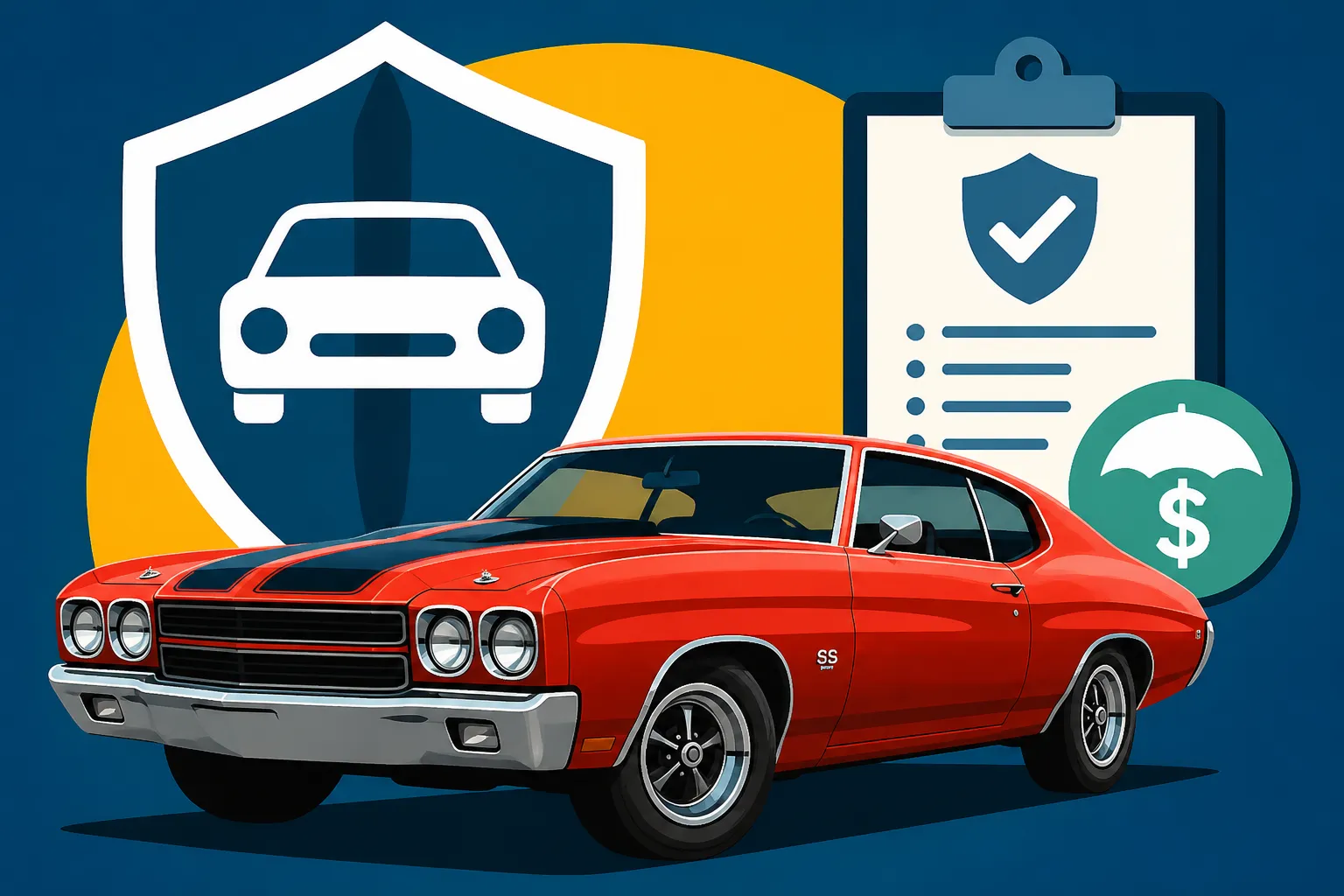
Owning a legendary piece of American muscle like a 1970 Chevelle SS is a dream come true for many, but the excitement can quickly turn to frustration when you try to figure out how to properly insure such a unique vehicle. Unlike a regular daily driver, a classic car requires a specific type of coverage that truly understands its value and how you use it. This guide will walk you through the ins and outs of insuring your prized 1970 Chevelle SS, breaking down the costs and what influences them so you can protect your investment without overpaying.
Understanding What Makes a 1970 Chevelle SS Special and Insurable
The 1970 Chevelle SS isn't just an old car; it's a cultural icon, a powerful statement from an era when horsepower reigned supreme. This distinction is crucial when it comes to insurance because specialty carriers view these vehicles very differently from a standard sedan. They recognize the intrinsic and market value, the meticulous care owners put into them, and the limited, specific ways they are typically used. This understanding is what allows for tailored policies that offer superior protection at often more favorable rates than traditional insurance.
The Icon Status and Its Value
The 1970 Chevelle SS stands out for its bold styling, legendary engine options – particularly the 454 cubic inch big-block, either LS5 or the rarer LS6 – and its undeniable performance heritage. These aren't just vehicles; they're investments, often appreciating in value, especially well-maintained or perfectly restored examples. This appreciating value is a significant factor in how classic car insurance works. Unlike a modern car that depreciates the moment it leaves the lot, a classic's value tends to go up, or at least hold steady, which means its insurance needs to reflect that reality.
When you're dealing with a car that can command six figures at auction, like a pristine LS6 Chevelle SS, a standard auto policy simply won't cut it. Regular insurance bases its payout on Actual Cash Value (ACV), which means depreciation is factored in, leaving you shortchanged if your beloved classic is totaled. This is where the concept of Agreed Value coverage becomes paramount. It ensures that you and the insurer agree on your car's value before anything happens, guaranteeing that agreed-upon amount in the event of a total loss. This fundamental difference is what makes specialty insurance for a vehicle like the 1970 Chevelle SS not just an option, but a necessity for true peace of mind.
Key Features Influencing Insurance Risk
Beyond its inherent value, several features of your 1970 Chevelle SS directly influence its insurance risk and, consequently, your premiums. The most obvious is the engine. A Chevelle SS with a powerful 454 engine is inherently seen as having a different risk profile than, say, a base model with a small-block. The sheer power output and potential for high performance, even if rarely exploited, are factors.
However, paradoxically, classic cars often carry lower risk in other areas. Owners of 1970 Chevelle SS models typically don't daily drive them. They're usually garage-kept, driven for pleasure on weekends, to shows, or on club tours. This limited, responsible usage drastically reduces the likelihood of accidents compared to a commuter vehicle. Furthermore, the robust construction of these older vehicles, while lacking modern safety features, often means they can withstand minor impacts better, and repairs, while specialized, are often feasible. The age of the vehicle itself also plays a role. As a recognized classic, it's less likely to be stolen for joyriding and more likely to be targeted by professional thieves who are easier to track due to the car's unique market.
Factors That Directly Impact Your 1970 Chevelle SS Insurance Costs
Determining the precise cost to insure a 1970 Chevelle SS isn't a one-size-fits-all answer, because so many variables come into play. It's not just about the car itself, but also about you, how you use the car, and where it lives. Understanding these factors will empower you to make informed decisions and potentially save a good chunk of change on your premium. It’s all about tailoring the policy to your specific situation and the unique needs of your classic.
Agreed Value: The Cornerstone of Classic Car Coverage
As we touched upon earlier, Agreed Value is arguably the most critical factor influencing the cost and efficacy of your 1970 Chevelle SS insurance. Unlike a standard policy's Actual Cash Value (ACV) or even Stated Value, Agreed Value means you and your insurer agree on a specific monetary value for your Chevelle SS before the policy begins. Should your car be a total loss, you will be paid that exact agreed-upon amount, no questions asked, no depreciation factored in. This is a game-changer for a collectible like a 1970 Chevelle SS, whose market value might fluctuate and doesn't follow the typical depreciation curve of modern vehicles.
The higher the Agreed Value you set for your Chevelle SS, the higher your premium will typically be, as the insurer is taking on more risk. To determine this value, insurers often look at professional appraisals, recent sales of comparable vehicles, and detailed documentation of your car's condition, restoration, and unique features. For instance, a numbers-matching LS6 Chevelle SS in concours condition will naturally have a much higher Agreed Value and thus a higher premium than a more common LS5 with a few modifications. It's essential to be realistic and provide accurate documentation to ensure your car is adequately covered without overpaying for an inflated value. Many collectors find that getting an independent appraisal is a small investment that pays off immensely in establishing a fair and accurate Agreed Value. You can learn more about how Agreed Value Coverage Explained works to truly protect your investment.
Mileage Tiers and Usage Restrictions
Classic cars, by their very nature, are usually not daily drivers. Insurance companies understand this, and they structure their policies around this limited usage. Most specialty classic car insurance policies come with mileage limitations, often called "mileage tiers" or "stated mileage." Common tiers might be 1,000, 2,500, or 5,000 miles per year, though some policies, like those from Hagerty, might offer more flexible or even unlimited mileage options under specific circumstances.
The fewer miles you plan to drive your 1970 Chevelle SS annually, the lower your insurance premium will generally be. This is a direct reflection of reduced exposure to risk on the road. For example, if you only plan to take your Chevelle to local car shows in the summer and a few weekend cruises, a 1,000-mile limit would be perfect and cost-effective. However, if you envision longer road trips or more frequent pleasure drives, you might opt for a higher mileage tier, which will increase your premium slightly but provide the freedom to enjoy your car more. It's crucial to be honest about your intended usage. Exceeding your agreed-upon mileage limit could potentially void a claim if an incident occurs while you're over the limit. Understanding mileage tiers and usage restrictions is vital for choosing the right policy.
Storage, Security, and Your Driving Record
Where and how your 1970 Chevelle SS is stored significantly impacts your insurance rates. Insurers highly prefer secure, enclosed storage, such as a private, locked garage. This reduces the risk of theft, vandalism, and environmental damage. Storing your classic in a carport or, even worse, on the street, will likely lead to higher premiums or even make you ineligible for a specialty policy with some carriers. Many policies have a Garage Storage Requirement for Classic Cars, which is a testament to how seriously insurers take proper storage.
Security features also play a role. While a 1970 Chevelle SS doesn't come with modern alarm systems, adding aftermarket security devices like GPS trackers, immobilizers, or even a simple kill switch can sometimes qualify you for a discount. Insurers see these as proactive measures you're taking to protect your investment.
Finally, your driving record, even though your Chevelle SS isn't a daily driver, will still influence your rates. A clean driving record with no accidents or major violations will always result in more favorable premiums. Insurers view responsible drivers as lower risk, regardless of the vehicle they're insuring. They'll also consider the driving records of any other listed drivers in your household.
Average Insurance Costs for a 1970 Chevelle SS: What to Expect
When you're trying to budget for your dream 1970 Chevelle SS, understanding the potential insurance costs is a huge piece of the puzzle. It's often a pleasant surprise for many new collectors that classic car insurance is typically much more affordable than insuring a comparable modern vehicle. This section will dive into the typical premium ranges and explain why this cost difference exists, offering a realistic view of what you can expect.
Typical Premium Ranges by Condition and Value
The cost to insure a 1970 Chevelle SS can vary widely, but generally, you're looking at an annual premium that ranges from a few hundred dollars to over a thousand, depending heavily on the agreed value of the car, your location, and your chosen coverage. For a well-maintained 1970 Chevelle SS with an Agreed Value in the $50,000 to $75,000 range, you might expect to pay somewhere between $400 and $800 annually. However, a pristine, numbers-matching LS6 Chevelle SS, with an Agreed Value north of $100,000, could easily push premiums into the $800 to $1,500+ range.
Here's a simplified breakdown:
| Condition/Value Tier | Agreed Value Range (Approx.) | Estimated Annual Premium Range | Key Factors Influencing Cost |
|---|---|---|---|
| Driver Quality | $30,000 – $60,000 | $350 – $650 | Good mechanicals, decent paint, minor imperfections. |
| Show Quality | $60,000 – $100,000 | $650 – $1,000 | Excellent condition, minor restoration, accurate details. |
| Concours/High-End | $100,000+ | $1,000 – $2,000+ | Flawless, professional restoration, rare options, provenance. |
These figures are estimates and can be influenced by specific engine types (e.g., LS6 commands higher value), rare options, and geographical location. For instance, a classic car in a high-theft area like Los Angeles might have higher rates than one in a rural part of Ohio, even for the same agreed value. Your driving history and the mileage tier you select will also play a significant part in the final calculation. Specialty insurers like Hagerty are adept at valuing these vehicles, often using extensive databases of sales data and expert appraisers.
Comparing Costs with Standard Auto Insurance
This is where many first-time classic car owners get a delightful surprise: classic car insurance is almost always cheaper than standard auto insurance for a comparable value. Why? It all comes down to risk. A 1970 Chevelle SS, even a highly valuable one, is generally subjected to much less risk than a modern daily driver.
Consider this: A brand new Ford F-150 costing $60,000 might easily cost $1,500-$2,500 a year to insure with a standard policy, perhaps even more depending on the driver's age and location. This is because it's driven daily, exposed to rush hour traffic, parking lots, and a higher chance of fender benders or theft. Your 1970 Chevelle SS, on the other hand, is likely driven only a few thousand miles a year, stored securely, and meticulously cared for. This drastically reduced exposure to accidents, coupled with the fact that owners tend to be more careful, translates directly into lower premiums.
Furthermore, classic car owners are typically a lower-risk demographic. They're often older, more financially stable, and take exceptional care of their vehicles. This demographic profile also contributes to the lower rates. It's truly a win-win: you get superior coverage that protects your investment with Agreed Value, and you often pay less for it. This is why when you compare Classic Car Insurance vs Regular Insurance Cost, the classic policy almost always comes out ahead for similar coverage value.
How to Get the Best Insurance Rate for Your 1970 Chevelle SS
Securing the best insurance rate for your 1970 Chevelle SS isn't just about finding the cheapest quote; it's about finding the right balance of comprehensive coverage and a fair premium. Because these cars are so special, a generic approach just won't cut it. You need a strategy tailored to the unique aspects of classic car ownership, focusing on specialized carriers and smart policy choices.
The Importance of Specialty Insurers
When insuring a 1970 Chevelle SS, your first and most critical step should be to look for specialty classic car insurance providers. Regular insurance companies often struggle to properly value and cover collector vehicles. They might try to apply standard depreciation models, or simply not understand the nuances of a classic's market value, potentially leaving you underinsured. This can lead to significant headaches in the event of a claim.
Specialty insurers, on the other hand, are built around the unique needs of collectors. They understand the intricacies of classic vehicle valuation, the care owners put into their cars, and the limited usage patterns. Companies like Hagerty, Grundy, and American Collectors Insurance specialize in this niche, offering policies specifically designed for vehicles like your Chevelle SS. They offer Agreed Value coverage, specialized roadside assistance (flatbed towing, for example), and often have staff who are enthusiasts themselves. This means they "get it" and can provide much better service and appropriate coverage than a mainstream insurer. You can get a good idea of what's out there by looking at a Hagerty Classic Car Insurance Review or by searching for Best Classic Car Insurance Companies.
Discounts and Policy Customizations
Even with specialty insurance, there are still plenty of ways to optimize your policy and potentially reduce your premiums without sacrificing coverage. One of the easiest ways is to maintain a clean driving record. Most classic insurers will consider your overall driving history, even if your classic isn't a daily driver.
Another significant discount often comes from secure storage. As mentioned, storing your 1970 Chevelle SS in a locked, private garage is usually a requirement for specialty policies, but it also helps keep your rates lower. If you have additional security measures, like an alarm system or a vehicle tracking device, be sure to mention them, as these can sometimes qualify for further discounts.
Consider joining a recognized classic car club, such as the National Chevelle Owners Association or a local chapter. Many specialty insurers offer discounts to members of approved car clubs, recognizing that these individuals are often more responsible owners and enthusiasts.
Finally, think about your deductible. A higher deductible will almost always lead to a lower premium. Since classic cars are driven less frequently and owners are generally more careful, the chances of needing to file a claim are lower. If you're comfortable taking on a bit more out-of-pocket risk for minor incidents, raising your deductible can be a smart way to How to Save on Classic Car Insurance over time. Don't forget to inquire about other Classic Car Insurance Add-Ons and Endorsements that might provide extra peace of mind, such as restoration coverage if your Chevelle SS is a work in progress, or spare parts coverage for your collection of rare components.
Classic Car Insurance Requirements for Your Chevelle SS
It's natural to assume that insuring a classic car is complex, especially with all the talk about specialized policies. But the reality is, the requirements for a 1970 Chevelle SS are usually pretty straightforward and designed to ensure the car truly is a collector's item, not just an old vehicle. Understanding these criteria upfront will make the application process much smoother and prevent any surprises down the road.
Vehicle Eligibility: Age, Condition, and Originality
For your 1970 Chevelle SS to qualify for classic car insurance, it generally needs to meet certain criteria related to its age, condition, and sometimes, its originality or collectible status. Most classic car insurers define a "classic" as a vehicle that is at least 25 years old. Since your Chevelle SS is well past its 50th birthday, it easily fits the age requirement.
The condition of the car is paramount. Insurers typically want to see a vehicle that is well-maintained, restored, or in excellent original condition. They're looking for signs of care and investment from the owner. This doesn't mean it has to be a concours-level show car; a solid "driver quality" Chevelle SS that's clean, runs well, and is free of major rust or neglect is usually perfectly acceptable. However, a Chevelle that's rusting away in a field, clearly a project car, might not qualify for full agreed-value coverage until it's brought to a more presentable and roadworthy state. Insurers often require photos of the vehicle, and sometimes an appraisal, to confirm its condition and value.
While absolute originality isn't always a strict requirement, the more original or period-correct your 1970 Chevelle SS is, the easier it might be to insure and value. Mild modifications that enhance performance or safety, like a modern braking system or upgraded suspension, are often permissible. Heavily customized hot rods or restomods might require a more specialized policy, but many classic insurers are increasingly comfortable with these builds. You'll find that insurers are very specific about Classic Car Insurance Eligibility Requirements for various types of vehicles.
Driver and Usage Requirements
Beyond the vehicle itself, there are also common requirements related to the primary driver and how the 1970 Chevelle SS will be used. Firstly, the primary driver for a classic car insurance policy typically needs to have a good driving record. This means a history free of major accidents, serious traffic violations, or DUIs. Insurers see this as a strong indicator of responsible behavior, which translates to lower risk for them.
Secondly, and perhaps most importantly, classic car policies usually stipulate that the insured vehicle is not your primary mode of transportation. Your 1970 Chevelle SS cannot be your daily driver. You'll need to have a separate, modern vehicle for your everyday commuting and errands, covered by a standard auto insurance policy. The classic is intended for pleasure drives, car shows, club events, and the occasional Sunday cruise. This "pleasure-use" or "limited-use" restriction is a cornerstone of why classic car insurance is often more affordable, as it drastically reduces the car's exposure on the road.
Finally, most classic car policies require secure storage. This typically means your 1970 Chevelle SS must be kept in a locked, enclosed garage when not in use. This protects it from theft, vandalism, and environmental damage. Carports or street parking are generally not acceptable. These requirements aren't meant to be burdensome; they are designed to reflect the reality of how these cherished vehicles are owned and used, ultimately benefiting you with better coverage and competitive rates. For more details on these stipulations, you can research Classic Car Insurance Requirements Explained.
Understanding Classic Car Liability Coverage for Your 1970 Chevelle SS
While the "Agreed Value" coverage for physical damage to your 1970 Chevelle SS is often the star of the show for collectors, liability insurance is just as, if not more, critical. It protects you from the financial fallout of accidents where you are at fault, a crucial safety net that every vehicle owner needs. Even though you drive your classic less, the potential for a serious accident, unfortunately, still exists, and the costs can be astronomical without proper protection.
State Minimums and Why They Are Not Enough
Every state mandates minimum liability insurance requirements for vehicles operated on public roads. These requirements typically include Bodily Injury Liability (BI) and Property Damage Liability (PD). For example, in Texas, the minimum is 30/60/25, meaning $30,000 for bodily injury per person, $60,000 for bodily injury per accident, and $25,000 for property damage. In California, it's 15/30/5.
While these are the legal minimums to drive your 1970 Chevelle SS, they are almost never enough to truly protect your assets. Imagine this scenario: You're out for a Sunday drive in your Chevelle and an unexpected mechanical failure causes you to swerve and hit a brand-new luxury SUV, causing $80,000 in damage, and the driver of that SUV sustains injuries requiring extensive medical treatment, totaling $150,000. If you only carried state minimums, you'd be personally responsible for paying the difference beyond your coverage limits – potentially over $100,000 out of your own pocket. This could mean losing your home, savings, or future earnings.
This is why experienced collectors universally recommend carrying significantly higher liability limits, often $250,000/$500,000 for bodily injury and $100,000 or more for property damage. While these higher limits do increase your premium slightly, the added protection against potentially ruinous lawsuits is invaluable. The extra cost is a small price to pay for genuine peace of mind, knowing your financial future isn't tied to the whims of an unfortunate incident. For more detailed information, it's worth checking out Classic Car Liability Requirements by State.
Comprehensive and Collision for Your Valued Classic
Beyond liability, comprehensive and collision coverages are what protect your own 1970 Chevelle SS from physical damage. When bundled with a specialty policy, these are the coverages that pay out based on your Agreed Value.
Collision Coverage pays for damages to your Chevelle SS if it collides with another vehicle or object (like a tree or guardrail), regardless of who is at fault. If you accidentally back into a pole in a parking lot, or another driver T-bones you, collision coverage helps repair or replace your vehicle up to its Agreed Value, minus your deductible. This is incredibly important for a car like a Chevelle SS, where repair costs can quickly escalate due to specialized parts and labor.
Comprehensive Coverage protects your 1970 Chevelle SS from non-collision-related damage. This includes theft, vandalism, fire, natural disasters (like hail or floods), falling objects (a tree branch, for example), and even damage from animals. Given the sentimental and monetary value of a classic, having robust comprehensive coverage is essential. Imagine the heartbreak of a garage fire or discovering your prized Chevelle SS has been stolen. Comprehensive coverage ensures that these devastating events don't also lead to financial ruin.
For a cherished vehicle like a 1970 Chevelle SS, opting for both comprehensive and collision is almost always the smart choice. The minimal additional premium for these coverages, especially when part of a specialty Agreed Value policy, provides the full protection your investment deserves. It ensures that no matter what unforeseen event occurs, your Chevelle's value is truly protected. You might be wondering, Do Classic Cars Need Full Coverage? The answer, for most owners, is a resounding yes.
Disclaimer
Please remember that this article provides general information and insights into classic car insurance for a 1970 Chevelle SS. Insurance policies and requirements can vary significantly by state, insurer, and your specific circumstances. It is crucial to consult with a qualified insurance professional to discuss your individual needs and obtain personalized quotes and advice before making any insurance decisions. This content is not intended as financial or legal advice.