Do You Need Uninsured Motorist Coverage for a Classic Car
It’s a nightmare scenario for any classic car owner: you’re cruising down a scenic road, your pride and joy gleaming in the sun, when suddenly, out of nowhere, another driver makes a boneheaded mistake. But what if that driver is uninsured or, even worse, underinsured, leaving you to foot the bill for potentially devastating damage to your cherished vehicle or even medical costs for yourself? This guide is here to untangle the complexities of uninsured motorist (UM) coverage and help you understand why it's not just an option, but a vital layer of protection for your classic car.
Understanding Uninsured Motorist Coverage for Your Classic
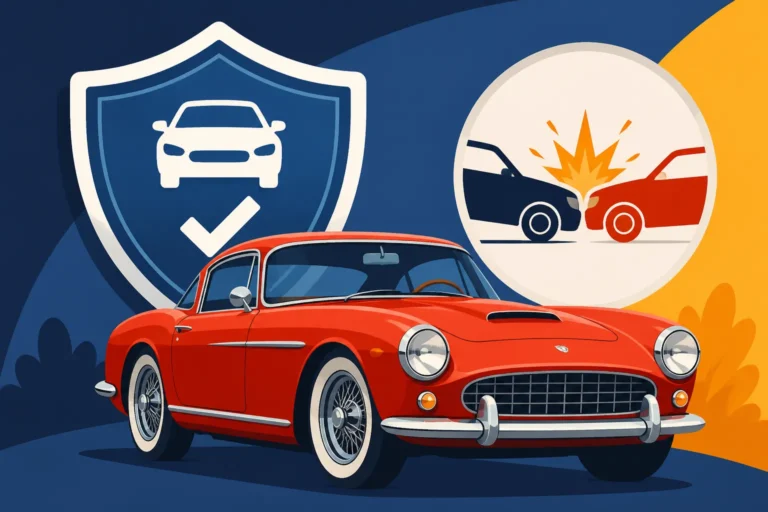
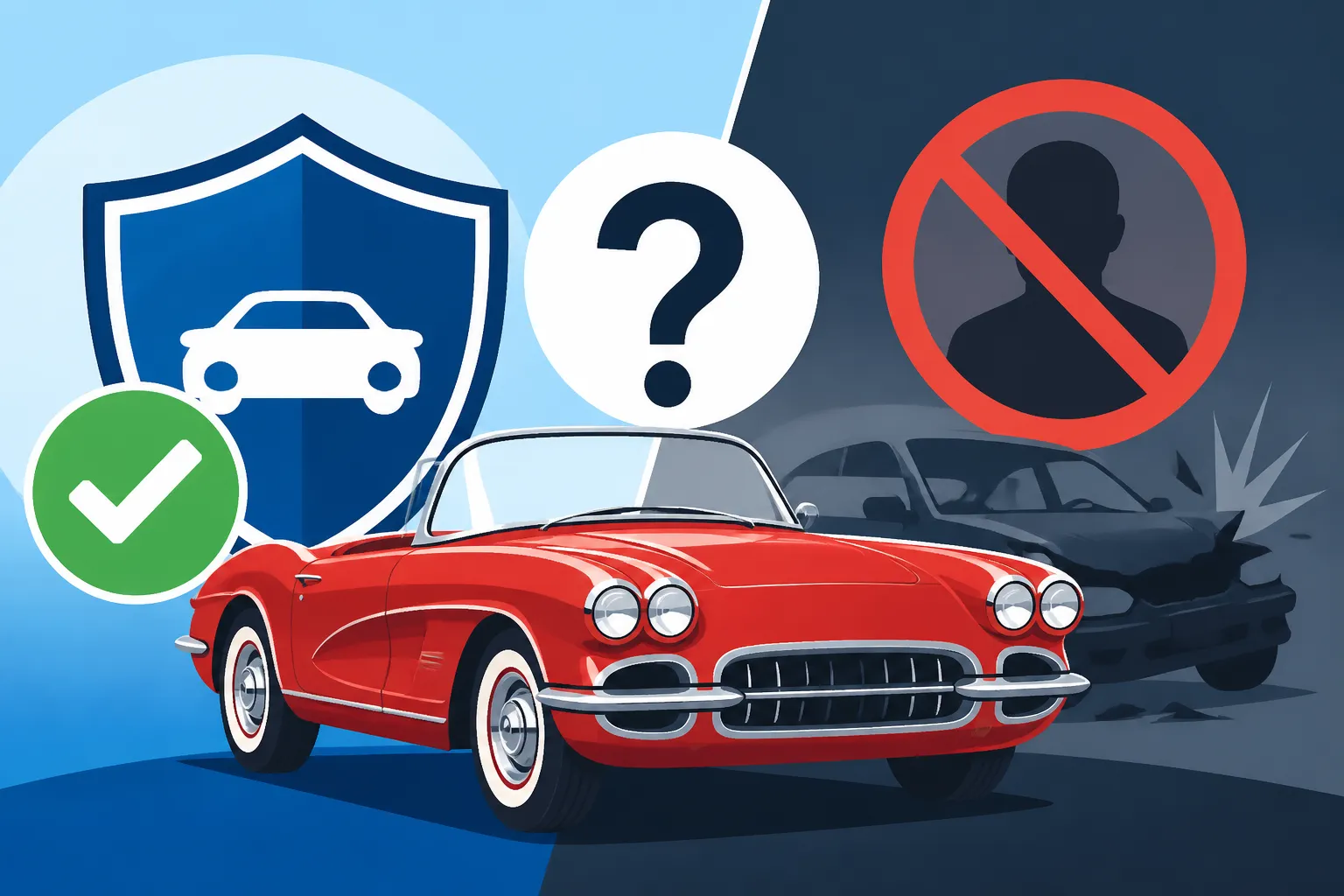
When we talk about insurance for our everyday drivers, things can feel pretty standard. But classic cars? They exist in their own league, and so should their protection. Uninsured Motorist (UM) and Underinsured Motorist (UIM) coverage are often overlooked or misunderstood, but for classic car enthusiasts, they are absolutely crucial. They act as a safety net, stepping in when the at-fault driver in an accident either doesn't have insurance at all or doesn't have enough to cover the damages they caused.
What Exactly Is UM/UIM Coverage?
Let's break it down simply. Uninsured Motorist (UM) coverage protects you if you're involved in an accident with a driver who is legally responsible but has no auto insurance. This includes hit-and-run incidents where the responsible driver can't be identified. Underinsured Motorist (UIM) coverage, on the other hand, kicks in when the at-fault driver has some insurance, but their policy limits aren't high enough to cover all your expenses – whether those are medical bills, lost wages, or repairs to your precious classic.
These coverages typically come in two main flavors: bodily injury and property damage. Uninsured Motorist Coverage for Classic Cars Explained usually includes UM Bodily Injury (UMBI), which helps pay for your and your passengers' medical expenses, lost wages, and pain and suffering resulting from an accident caused by an uninsured driver. Then there's Uninsured Motorist Property Damage (UMPD), which covers the cost of repairing your classic car or, in a total loss scenario, its agreed-upon value, when the at-fault driver has no insurance. Some states separate these, while others offer a combined package. It’s always worth checking with your provider to see what options are available where you live.
The Crucial Role of UM/UIM for Collector Vehicles
You've invested time, money, and passion into your classic. You might have even secured an "agreed value" policy, which is fantastic because it ensures you get paid the true market value of your car, not a depreciated Actual Cash Value, if it's totaled. But here's the rub: that agreed value policy primarily protects your car from your mistakes or acts of nature (like a tree falling on it). It doesn't magically make an uninsured driver pay up if they're the one who causes the damage.
This is where UM/UIM becomes your best friend. Imagine your beautifully restored 1965 Mustang, valued at $75,000, is hit by a driver with no insurance. Without UMPD, you’d be left with the daunting task of suing the uninsured driver, a process that is often lengthy, expensive, and rarely results in full recovery, especially if they have no assets. What Does Classic Car Insurance Cover goes into detail about the typical protections, but UM/UIM fills a critical gap for when others are at fault. It protects your investment and ensures that the financial burden of an accident isn't unfairly shifted onto you simply because someone else broke the law.
Why Classic Cars Face Unique Risks from Uninsured Drivers
It’s a sad fact that there are uninsured drivers on the road. The percentage can vary by state, but it's a nationwide problem that can have devastating consequences for anyone, let alone someone driving a vehicle that holds a special place in history and in your heart.
The High Cost of Classic Car Damage
Unlike a modern car that might have readily available parts at any local auto shop, repairing a classic car often involves sourcing rare components, employing specialized craftsmanship, and paying a premium for expert labor. If you own a numbers-matching vintage Corvette or a meticulously restored Ford Model A, you know that even a minor fender bender can quickly rack up repair bills that far exceed what a standard liability policy, let alone an uninsured driver's meager assets, could ever cover.
Let's say your 1970 Chevelle SS, with its original paint and meticulously rebuilt engine, suffers significant damage to the bodywork and a rare trim piece. The body shop specializing in vintage vehicles quotes $20,000 for the repairs. If the at-fault driver only has state minimum property damage liability (which could be as low as $5,000 or $10,000 in many states), or no insurance at all, you're looking at a huge out-of-pocket expense. This is precisely why having comprehensive coverage, coupled with robust UM/UIM, is non-negotiable for true collectors.
The Reality of Roadways: The Uninsured Driver Problem
According to recent data, the national average for uninsured motorists hovers around 12-13%, but in some states, that number can climb significantly higher. For instance, in states like Florida or New Mexico, estimates can reach well over 20%. This means that on any given drive, there's a non-trivial chance you could encounter a driver without adequate coverage.
Imagine you're taking your cherished classic out for a Sunday drive through a bustling urban area or even a quiet country road. The more you drive it, the more exposed you are to this risk. Even if you're the safest driver on the planet, you can't control everyone else. A casual cruise to a local car show or a pleasant tour with your car club exposes your valuable classic to the very real possibility of an encounter with someone who has no financial responsibility. This is a primary frustration for classic car owners, knowing their pride and joy could be ruined by someone else's irresponsibility.
Protecting Your Investment Beyond Liability
It's important to remember that the liability portion of your Classic Car Insurance Coverage Types Explained policy primarily protects other drivers and their property if you are at fault. While Classic Car Liability Coverage Explained is legally required and fundamentally important, it does nothing to protect your own vehicle or your own well-being when another driver is at fault, particularly one who isn't insured.
This is where UM/UIM truly shines. It shifts the burden of an uninsured or underinsured at-fault driver from your shoulders to your own insurance company, preventing a potentially ruinous financial setback. Think of it as an extension of your own collision and medical payments coverage, but specifically designed for those unavoidable moments when the other party can't pay. Without it, your carefully chosen Agreed Value Coverage Explained could be undermined by the lack of protection against negligent third parties.
Assessing Your Need for Uninsured Motorist Coverage
Deciding on the right level of coverage for your classic car isn't just about meeting state minimums; it's about protecting a passion, an investment, and often, a piece of family history. When it comes to UM/UIM, the decision can feel a bit abstract until you need it, but it’s one that’s best made proactively.
State Requirements and Your Personal Comfort Level
First things first: some states actually require UM/UIM coverage, or at least require insurers to offer it to you, and you must explicitly reject it in writing if you don't want it. For example, states like Maryland and North Carolina typically mandate UMBI and UMPD. However, many states leave it up to the individual. Even if your state doesn't require it, your personal comfort level with risk should drive your decision, especially for a classic car.
Consider the potential out-of-pocket costs if your classic car is involved in an accident with an uninsured driver. Can you comfortably afford to cover all repairs, medical bills, and potentially lost income without assistance? For most classic car owners, the answer is a resounding "no." The peace of mind that comes with knowing you’re covered is often worth the relatively small premium increase. It’s about building a robust shield around your cherished vehicle, understanding that Classic Car Insurance Requirements Explained can go well beyond the basics.
Evaluating Your Driving Habits and Exposure
How often do you actually take your classic out for a spin? Is it a garage queen, only seeing the light of day for a few exclusive car shows a year, or do you enjoy it on weekend cruises? The more often your classic is on the road, the higher its exposure to potential accidents, and thus, the greater your need for UM/UIM coverage.
If your classic is primarily used for pleasure, limited mileage excursions, or occasional club events, you might think the risk is low. However, even a short drive to a local Cars & Coffee event on a Saturday morning in a busy suburban area could put you in harm's way. If you live in a region known for a higher percentage of uninsured drivers, or if your typical driving routes involve busy highways and intersections, UM/UIM becomes an even more critical consideration. It's about realistically assessing the environment your classic operates in.
Comparing UM/UIM to Other Protection
You might be thinking, "Well, I have collision coverage, isn't that enough?" And it's true, collision coverage will pay for the damage to your classic car, even if you’re at fault or if the at-fault driver is uninsured. So why the need for UMPD? Here's the key difference:
| Feature | Collision Coverage | Uninsured Motorist Property Damage (UMPD) |
|---|---|---|
| Payer | Your own insurance company. | Your own insurance company. |
| At-Fault Party | You, or another party (often no subrogation needed). | An uninsured/underinsured third party. |
| Deductible | Typically applies. | May have a lower or no deductible, depending on the state/policy. |
| Claim Impact | Can sometimes affect future premiums (especially if at-fault). | Less likely to affect your premiums as you were not at fault. |
| Subrogation | Your insurer might pursue the at-fault party to recover their costs. | Your insurer steps in directly when there's no other payer. |
While collision coverage is excellent for getting your car fixed quickly, having UMPD can offer advantages like a lower deductible, or sometimes no deductible at all, when an uninsured driver causes the damage. More importantly, UM Bodily Injury coverage protects you and your passengers from medical costs and lost wages, which collision coverage doesn't touch. When considering Do Classic Cars Need Full Coverage, UM/UIM is an often-overlooked but vital component of truly comprehensive protection.
Navigating UM/UIM Options with Specialty Insurers
When it comes to insuring a classic car, a standard auto insurance policy often falls short. Specialty classic car insurance companies understand the unique value and needs of these vehicles, and they’re typically better equipped to offer the right kinds of protection, including robust UM/UIM options.
Bodily Injury vs. Property Damage Coverage
As we touched on earlier, UM/UIM typically splits into two distinct areas. Uninsured Motorist Bodily Injury (UMBI) is arguably the most critical for your personal safety and financial well-being. This coverage is designed to pay for medical expenses, lost wages, and pain and suffering for you and your passengers if an uninsured or underinsured driver injures you. Given the rising cost of healthcare, having substantial UMBI limits is a smart move, regardless of what you're driving, but especially when your classic car might be out for a leisurely drive.
Uninsured Motorist Property Damage (UMPD) covers the damage to your classic car itself. If an uninsured driver totals your cherished vehicle, UMPD ensures that your insurance company pays out the agreed value (if you have an agreed value policy) or the cost of repairs. This prevents you from having to pursue the at-fault driver directly, which is often a fruitless endeavor. It works in conjunction with your collision coverage but specifically addresses the uninsured/underinsured scenario, often with favorable deductibles.
Working with Specialty Carriers Like Hagerty
When seeking UM/UIM coverage for your classic, it's highly recommended to work with a specialty insurer like Hagerty, American Collectors Insurance, or Grundy. These companies specialize in collector vehicles and understand their unique valuation and repair needs. They are usually more flexible and knowledgeable about customizing policies for classics than standard carriers.
For instance, Hagerty offers comprehensive protection specifically tailored for classic cars. They understand the intricacies of agreed value policies and can seamlessly integrate UM/UIM into your overall coverage. They recognize that a dollar of damage to a classic isn't the same as a dollar of damage to a modern daily driver. Their claim adjusters are often enthusiasts themselves, which can make a world of difference if you ever need to file a claim. When you're considering How to Choose Classic Car Insurance, looking at specialty providers is always the best first step, as they tend to offer the nuanced coverages that classics demand.
Getting the Right Limits for Your Classic
Determining the appropriate UM/UIM limits requires careful consideration. For UMBI, it's wise to carry limits at least as high as your liability coverage, if not higher. Think about potential medical costs and lost income, especially if you or your passengers sustain serious injuries. Many experts recommend at least $100,000 per person and $300,000 per accident for bodily injury coverage.
For UMPD, aim for coverage that matches the agreed value of your classic car. If your 1969 Camaro is insured for an agreed value of $60,000, you'll want UMPD limits that can cover that full amount. Don't skimp here; the difference in premium for higher limits is often minimal compared to the catastrophic financial loss you could face. Remember, How Much Does Classic Car Insurance Cost is influenced by many factors, but adequate coverage, including UM/UIM, is always worth the investment. Think of it as a crucial line item on your Classic Car Insurance Quote Checklist to ensure you’re truly protected.
Disclaimer
This article is for general informational purposes only and does not constitute professional advice. Laws, prices and regulations vary by location and change over time. Consult a qualified professional for guidance on your specific situation.