What Coverage a Street Rod Actually Needs
Bringing a street rod to life is a labor of love, a dedication to craftsmanship, and often, a significant financial investment. But the thrill of cruising in your custom masterpiece can quickly turn to anxiety when you realize your pride and joy might not be adequately protected by a run-of-the-mill auto insurance policy. Standard insurance simply doesn't understand the unique value and specific risks associated with highly modified, custom-built vehicles. This comprehensive guide will walk you through the essential and specialized coverages your street rod truly needs, ensuring your automotive dream is safeguarded against unforeseen circumstances.
Understanding Street Rods and Their Unique Insurance Needs
The world of custom cars is vast, but street rods hold a special place. They’re not just old cars; they’re rolling pieces of art, engineered and built to individual specifications. This unique nature means they also have unique insurance requirements that simply aren't met by policies designed for daily drivers.
What Defines a Street Rod for Insurance Purposes
When we talk about a street rod, we're typically referring to a highly customized pre-1949 automobile, or sometimes even more modern vehicles extensively modified to fit that classic hot rod aesthetic. These aren't factory originals; they've been chopped, channeled, upgraded, and often boast modern engines, suspensions, and interiors wrapped in vintage sheet metal. From an insurance perspective, this customization is both its greatest asset and its biggest challenge.
For insurers, a street rod's value isn't found in a blue book. Its worth is in the hours of skilled labor, the bespoke parts, the high-performance engine, and the custom paint job. It's about what it would cost to rebuild it exactly as it is rather than its depreciated market value. Many specialty insurers, like Hagerty, understand this distinction intimately. They categorize these vehicles based on their modifications, use, and the care taken in their construction. Your classic car insurance eligibility requirements might also hinge on having a separate daily driver and limiting the mileage on your street rod, distinguishing it from an everyday vehicle.
Why Standard Auto Insurance Falls Short
Imagine the unthinkable: your meticulously built street rod is involved in an accident, or worse, stolen. If you only have a standard auto insurance policy, you're likely to face a devastating reality. These policies are built on the principle of Actual Cash Value (ACV), meaning they'd pay out what your vehicle was worth right before the incident, accounting for depreciation. For a custom street rod that might have hundreds of thousands invested, that ACV payout could be a mere fraction of its true replacement cost.
Standard insurers often don't grasp the value of custom parts, paint, or labor. They might see a 1932 Ford as just that – a very old car – not the powerful, custom-fabricated machine it truly is. Furthermore, they often have severe limitations or outright exclusions for highly modified vehicles, viewing them as higher risk without understanding the specific use patterns of a collector. This is why it's crucial to understand why classic car insurance vs regular insurance: what's required is so different, especially for a vehicle as specialized as a street rod. You need coverage that acknowledges and protects your unique investment, not one that devalues it.
Essential Coverage Types for Your Street Rod
Protecting your street rod starts with a foundation of specific coverage types designed for its unique value and purpose. Forget the basic liability-only approach; your street rod demands more.
Agreed Value: The Non-Negotiable Foundation
This is, hands down, the most critical type of coverage for any street rod. With an agreed value coverage for classic cars explained policy, you and your insurer agree on your vehicle's value before the policy starts. In the event of a total loss (theft, severe accident, fire, etc.), the insurer will pay you that exact agreed-upon amount, minus any deductible. This eliminates the uncertainty and potential heartache of Actual Cash Value (ACV) and ensures you get what your street rod is truly worth.
Think about it: your custom build might be based on a 1940 Chevrolet, but the engine is a modern LS swap, the chassis is custom, and the interior is bespoke leather. A standard policy would only look at the '40 Chevy's market value, which is nowhere near the investment you've made. Agreed Value coverage means that if you've invested $150,000 into your street rod and that's the agreed value, that's what you'll get. This peace of mind is invaluable, knowing your hard-earned money and countless hours are secured. When considering how agreed value is determined, it often involves a combination of appraisals, receipts for custom work, and expert valuation tools provided by specialty insurers.
Comprehensive and Collision Coverage Tailored for Customs
Just like with a regular car, comprehensive and collision coverage are vital for your street rod, but they need to be underwritten by a classic or specialty insurer.
- Collision Coverage for Classic Cars Explained: This pays for damages to your street rod resulting from a collision with another vehicle or object. If you accidentally back into a pole at a local car show, or if another driver is at fault, this coverage takes care of repairs. Given the custom nature of street rods, repair costs can skyrocket due to specialized parts and the need for expert body and paint work. A specialty policy ensures these unique repair considerations are factored into the coverage, rather than trying to fit them into standard, generic labor rates or part replacement schedules.
- Comprehensive Coverage for Classic Cars Explained: This protects your street rod from damages not caused by a collision. Think theft, vandalism, fire, natural disasters (like hail or floods), or even hitting an animal. For a valuable street rod, the risk of theft is a constant worry, and comprehensive coverage provides a critical layer of protection. Many classic car owners also want to know can you insure a classic car parked outside, which comprehensive coverage is especially important for, even if most policies prefer garage storage.
Liability Protection: More Than Just the Basics
Even if your street rod is primarily for pleasure cruising and car shows, you still need robust liability coverage. This covers damages or injuries you might cause to other people or their property if you're at fault in an accident. State laws mandate minimum liability requirements, but for a vehicle that's rarely driven, many street rod owners might be tempted to just meet the minimum. However, in today's litigious society, those minimums might not be enough to protect your personal assets if a serious accident occurs.
Consider a scenario where you're cruising down Main Street, and an unexpected mechanical issue causes you to swerve and damage public property or another vehicle. Your Classic Car Liability Requirements by State will give you a baseline, but exceeding these minimums with higher limits is a smart move. An umbrella policy can also provide an additional layer of protection above your standard liability limits, offering broader coverage for collectors with significant assets.
Specialized Coverages Every Street Rod Owner Should Consider
Beyond the core coverages, specialty classic car insurance policies offer a suite of add-ons that are particularly relevant for street rod owners. These address the unique scenarios and risks associated with these custom vehicles.
Restoration and Custom Parts Coverage
If your street rod is ever damaged, replacing or repairing its custom components can be incredibly expensive. This is where specialized coverage truly shines. Many specialty insurers offer specific endorsements for restoration coverage for classic cars or custom parts. This means if your bespoke exhaust system, custom-fabricated suspension, or hand-stitched interior is damaged, the policy will pay for its replacement or repair with like kind and quality, often including the labor from skilled custom shops.
Some policies even offer coverage for vehicles under construction, which is a lifesaver for those ongoing street rod projects. If you're building your street rod over several years, getting vehicle under construction coverage ensures that your investment in parts and labor is protected even before it hits the road. Imagine having thousands of dollars in parts stolen from your garage or damaged by fire while the car is in pieces – this coverage prevents that financial nightmare. You might also consider spare parts coverage explained, especially if you have valuable vintage components or custom fabrications stored separately.
Roadside Assistance and Towing for Custom Builds
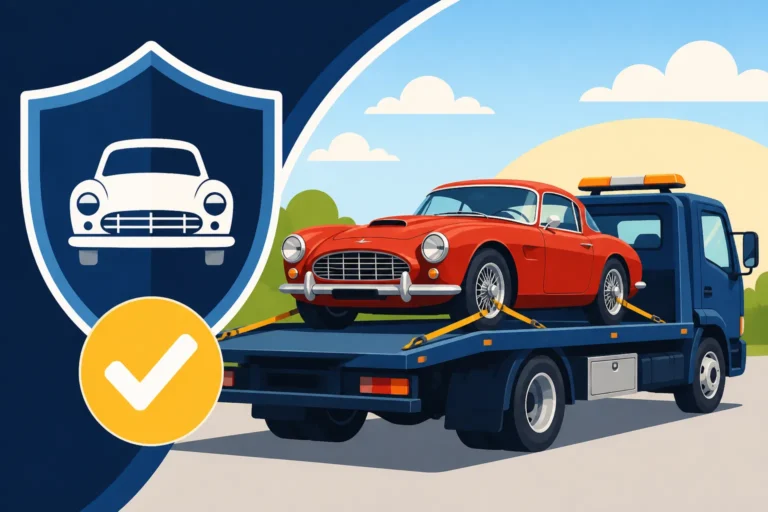
Breaking down in your street rod is a unique headache. You can't just call any tow truck; these vehicles often require flatbed towing to prevent damage to their low ground clearance, custom suspensions, or delicate bodywork. A standard roadside assistance plan might dispatch a traditional wheel-lift tow truck, which could severely damage your prized possession.
Specialty classic car insurance policies often include roadside assistance coverage for classic cars explained that specifically provides flatbed towing. This ensures your street rod is transported safely and properly, regardless of where you break down. This coverage is usually quite affordable and offers immense peace of mind, especially when you're far from home attending a car show or on a long cruise. Some even include trip interruption coverage for classic cars, which can cover costs for lodging and food if your vehicle breaks down far from home.
Show and Tour Coverage
Street rods are meant to be seen and enjoyed. Whether you're displaying your car at a local cruise-in or traveling across the country for a major show like the Goodguys Rod & Custom Association events, your vehicle faces different risks. Many specialty policies offer specific classic car show and event coverage rules. This can include protection for your vehicle while it's being transported to and from an event, parked at the venue, or even displayed outdoors.
This coverage might extend to things like "diminished value" after a repair or even "loss of use" coverage if your car is out of commission during a planned event. Some policies even offer coverage for automobilia and memorabilia, protecting any valuable items you display with your car, such as trophies, vintage signs, or custom artwork. Such coverage is essential for the active street rod enthusiast who regularly participates in the vibrant car culture.
Factors Influencing Your Street Rod Insurance
The cost and availability of street rod insurance aren't just about the car itself; several other factors play a significant role. Understanding these can help you secure the best policy.
Driver Profile and Storage Considerations
Insurers evaluate the risk associated with the primary driver and how the vehicle is stored.
- Driver Profile: Classic car insurers typically prefer experienced drivers with clean driving records. While some policies might accommodate Classic Car Insurance for Teenagers in the Household, the primary driver of a street rod is usually expected to be mature and responsible. They understand that street rod owners tend to be very careful with their valuable vehicles. Your driving history on your daily driver will often be considered, even if your street rod is driven sparingly.
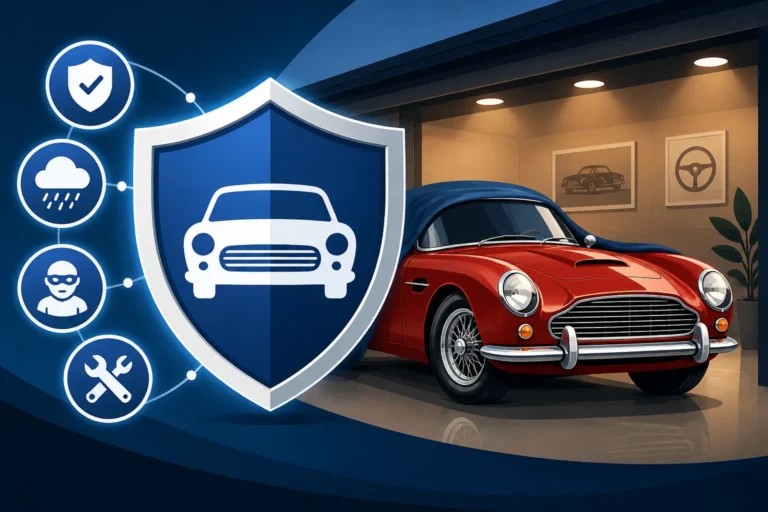
- Storage Requirements: Where you keep your street rod is a major factor. Most specialty insurers, including Hagerty, require that the vehicle be stored in a secure, enclosed, and locked garage when not in use. This significantly reduces the risk of theft and vandalism. While some policies might offer options for can you insure a classic car parked outside, it often comes with stricter conditions or higher premiums. A concrete, locked garage offers the ideal scenario for lower rates and comprehensive protection. For a deep dive into this, you can look into Garage Storage Requirement for Classic Cars.
Valuation and Appraisal
Determining your street rod's accurate value is paramount for Agreed Value coverage.
- Professional Appraisal: For highly customized vehicles like street rods, a professional appraisal is often recommended, if not required. An appraiser specializing in custom and classic cars can assess the quality of the build, the uniqueness of the modifications, and the value of custom parts and labor. This appraisal provides objective documentation to support your requested Agreed Value. This ties into how classic car appraisals work for insurance, ensuring your investment is recognized.
- Documentation of Modifications: Keep meticulous records of all modifications, parts purchases, and restoration invoices. These documents serve as irrefutable proof of your investment and help justify the Agreed Value you seek. Photos of the build process can also be incredibly useful in demonstrating the craftsmanship and extent of the customization. This documentation is key to how to prove a car's collectible status when it's been so heavily modified from its original form.
Navigating the Application Process and Choosing an Insurer
Getting the right insurance for your street rod isn't quite like buying coverage for your SUV. It requires a specialized approach and knowing what to look for in a provider.
What Information You'll Need
When you approach a specialty insurer for a street rod quote, be prepared with detailed information. They'll want to know about your vehicle's specifications, its use, and your history as a collector. Expect to provide:
- Vehicle Details: Year, make, model (original), VIN.
- Modifications: A detailed list of all custom work, including engine swaps, chassis modifications, custom paint, interior upgrades, and performance enhancements. Photos are a huge plus!
- Valuation: Your desired Agreed Value, supported by any appraisals or documentation you have.
- Storage Location: Details about your garage – is it attached, detached, heated, alarmed?
- Driving Habits: Anticipated annual mileage (often very low for street rods, see Classic Car Insurance Mileage Limits by State), and how the vehicle will be used (pleasure driving, car shows, tours).
- Driver Information: Your driving record, age, and sometimes information about other licensed drivers in your household. You'll likely also need a separate daily driver requirement explained, as most policies require your street rod not to be your primary vehicle.
- Collection Size: If you have multiple collector vehicles, you might qualify for a multi-car collector policy requirements, which could lead to discounts.
Finding the Right Specialty Provider
Choosing the right insurer is perhaps the most critical step. You absolutely need a company that specializes in classic, collector, and custom vehicles. Standard carriers often lack the expertise and policy structures to properly insure a street rod. Look for providers known for their expertise in this niche, such as Hagerty.
When looking at the best classic car insurance companies, consider their reputation for claims handling, their understanding of custom builds, and the breadth of their specialized coverages. Many collectors find that American Collectors Insurance or Grundy also offer excellent options for unique vehicles like street rods. Don't be afraid to compare quotes from several specialty providers to ensure you're getting the best coverage at a competitive price. Their agents are usually enthusiasts themselves, which means they speak your language and understand the passion behind your investment. For a detailed look, check out a Hagerty Classic Car Insurance Review to understand their offerings specifically for custom vehicles.
| Coverage Type | What It Does | Why It's Crucial for Street Rods |
|---|---|---|
| Agreed Value | Sets vehicle value upfront; pays this amount for total loss. | Standard ACV won't cover custom build costs. Guarantees full investment recovery. |
| Collision | Covers damage to your car from an accident. | Custom parts and labor are expensive. Ensures proper repair with appropriate skilled technicians. |
| Comprehensive | Covers non-collision damage (theft, fire, vandalism, natural disasters). | High value and unique appeal make street rods theft targets. Protects against various unforeseen perils. |
| Liability | Covers damages/injuries you cause to others. | Protects your assets in case you're at fault, beyond state minimums. |
| Restoration/Custom Parts | Covers custom components and ongoing build costs. | Essential for protecting specific, non-OEM parts and labor invested in the build process. |
| Flatbed Roadside Assistance | Provides specialized towing for delicate vehicles. | Prevents damage during towing due to low clearance or custom components. |
| Show & Tour Coverage | Extends protection during events, transit, and while displayed. | Addresses unique risks when actively participating in car shows and rallies. |
| Inflation Guard (Optional) | Automatically increases Agreed Value over time. | Helps keep pace with appreciating values and rising custom build costs. |
Disclaimer
Please remember that this information is intended for general guidance only and does not constitute professional insurance advice. Insurance policies vary widely, and it's crucial to consult with a qualified insurance agent specializing in classic and collector vehicles to determine the best coverage for your specific street rod and personal circumstances. Always read your policy documents thoroughly to understand your coverage, limits, and exclusions.