How to Get the Best Classic Car Insurance Deal
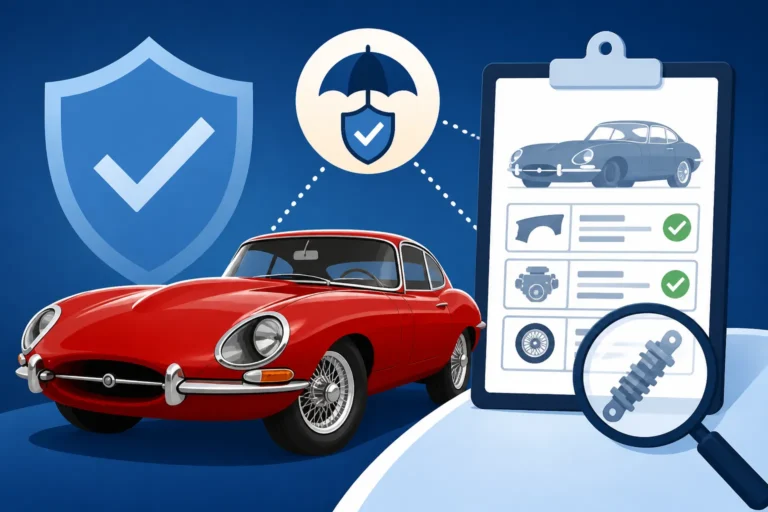
It’s a common frustration among classic car enthusiasts: you’ve poured your heart, soul, and considerable funds into acquiring and maintaining your dream machine, only to face a bewildering insurance market. You want the "best deal," but that phrase can feel like a moving target, often leading to confusion and the fear of underinsuring your prized possession. This comprehensive guide is designed to cut through that complexity, providing you with actionable strategies to find optimal classic car insurance coverage that truly protects your investment without breaking the bank.
Understanding What "Best Deal" Truly Means for Classic Car Insurance
When we talk about the "best deal" for classic car insurance, it's easy to immediately think about the lowest premium. But for a vehicle as unique and sentimental as a classic, the cheapest option is rarely the best, and often comes with hidden risks. The true "best deal" is a policy that offers comprehensive protection, fair valuation, and specialty services tailored to the distinct needs of collector vehicles, all at a competitive price that reflects your responsible ownership.
Beyond Just the Cheapest Price Tag
Imagine this scenario: you've found a policy with an unbelievably low annual premium. Fantastic, right? But then, a minor fender bender happens, or worse, your vintage beauty is stolen. That's when you discover your "cheap" policy only covers the vehicle's "actual cash value" – essentially what a dealership would pay for a similar modern car in its current condition, depreciated. Suddenly, your $50,000 meticulously restored muscle car is valued at a mere $10,000 by the insurer, leaving you with a massive financial and emotional void. This is the stark reality of inadequate coverage. The real cost of underinsuring your classic car far outweighs any initial savings on premiums. It's about protecting your investment, your passion, and your peace of mind. A truly great deal ensures that if something unfortunate happens, you can restore or replace your vehicle to its pre-loss condition, not just get a fraction of its true worth. If you're wondering How Much Does Classic Car Insurance Cost, you'll quickly learn that the value isn't always in the lowest number.
The Value of Specialized Protection
Regular auto insurance, designed for daily drivers, simply isn't equipped to handle the nuances of classic cars. These policies treat all cars as depreciating assets, which is the antithesis of a classic car's value trajectory. Think about it: your classic gains value over time, appreciates with quality restorations, and demands a different level of care. This is where specialized classic car insurance steps in, offering crucial benefits like "agreed value" coverage. With agreed value, you and the insurer agree upon the car's worth at the start of the policy, and that’s the amount you'll receive in the event of a total loss. This eliminates the uncertainty and potential heartache of being shortchanged. Beyond valuation, specialty policies often include features like "inflation guard," which automatically increases your agreed value by a small percentage each year to account for market appreciation, and specific coverage for spare parts or vehicles under restoration. For instance, imagine your dream project car, a 1967 Mustang Fastback, is halfway through a full rotisserie restoration. A standard policy might see it as a pile of parts, but a specialty insurer understands its burgeoning value. Having Agreed Value Coverage Explained is critical because it's the cornerstone of true classic car protection.
Key Strategies to Unlock Optimal Classic Car Insurance Rates
Securing the best classic car insurance deal isn't about pulling a rabbit out of a hat; it's about understanding and demonstrating that you're a responsible owner of a special vehicle. Insurers view classic cars differently than daily drivers, and your habits play a huge role in how they calculate your premium. By actively managing your ownership profile and policy details, you can significantly influence your rates.
Proving Your Responsible Ownership
Specialty classic car insurers offer lower premiums than standard carriers because they know their customers treat these vehicles with the utmost care. They aren't daily commuters; they're cherished collectibles. One of the most significant factors in securing a good rate is proving your car is stored securely. Most insurers require that your classic be kept in a locked, secure garage – not on the street, not in a carport, and certainly not uncovered in your driveway. A two-car garage at your home in Phoenix, Arizona, for example, signals to an insurer like Hagerty that your vehicle is largely protected from the elements and opportunistic theft. This is a fundamental aspect covered in Garage Storage Requirement for Classic Cars.
Furthermore, classic car policies almost universally come with mileage limitations and specific usage clauses. Most collectors only drive their cars for pleasure – to shows, club events, or weekend cruises. You're typically not using your vintage convertible for grocery runs or the daily commute. By agreeing to these "pleasure use" or "limited use" restrictions, often capping mileage at 2,500 or 5,000 miles annually, you demonstrate a reduced risk of accidents. This is why understanding the Pleasure-Use Requirement Explained is so important. Your driving record, while always a factor, tends to be viewed through a slightly different lens for classics. While major infractions will always impact your rates, minor incidents might not carry the same weight if your classic is demonstrably not a daily driver. Essentially, the more you show your car is a "hobby" and not primary transportation, the more favorable your rates will be. Also, remember that your vehicle needs to meet certain criteria, so checking Classic Car Insurance Eligibility Requirements is always a good first step.
Maximizing Discounts and Policy Bundles
Just like with regular car insurance, there are various discounts available for classic car policies that can significantly bring down your premium. One of the most common and impactful is the multi-car policy discount. If you're a true enthusiast with a growing collection, bundling several classic cars under a single policy can lead to substantial savings. Instead of insuring your 1969 Camaro, 1957 Bel Air, and 1980s Porsche 911 on separate policies, a single Multi-Car Collector Policy Requirements setup can save you money and simplify administration. Insurers love collectors because they represent dedicated, long-term customers.
Another excellent way to shave off some dollars is through car club memberships. Many specialty insurers offer discounts to members of recognized classic car clubs or enthusiast groups. Belonging to a local Mustang Owners Club or a national Corvette club not only connects you with fellow enthusiasts but can also qualify you for a discount. These clubs often emphasize safe driving and proper care, which insurers appreciate. Make sure to inquire about Car Club Membership Discounts when getting a quote. Additionally, installing approved anti-theft devices, such as alarms or GPS tracking systems, can lead to further reductions, as they significantly decrease the risk of theft. Don't forget to ask about discounts for having a pristine driving record, taking defensive driving courses, or even for having your classic professionally appraised. Every little bit counts towards a better deal.
Leveraging Agreed Value and Appraisals Effectively
The "agreed value" is arguably the most crucial component of a classic car insurance policy. It's the figure you and your insurer agree upon as the true market value of your vehicle at the start of the policy term, and it’s the exact amount you'll be paid in the event of a total loss, minus any deductible. This is a monumental shift from "actual cash value" policies that standard insurers use, which can leave you financially devastated. Understanding How Agreed Value Affects Premiums is key to managing your costs and expectations.
To establish this agreed value, especially for higher-value or highly modified vehicles, an appraisal is often necessary. A professional appraisal by a certified classic car appraiser provides an objective, documented assessment of your vehicle's condition, originality, modifications, and market desirability. This report acts as concrete evidence to support the agreed value you propose to the insurer. For a unique restomod or a rare pre-war car, an appraisal ensures both you and the insurer are on the same page regarding its worth. Companies like Hagerty or Grundy will often have guidelines on when an appraisal is required versus when photos and documentation might suffice. It's vital to periodically review and update your agreed value, especially after significant restorations or if market conditions for your specific vehicle type shift. Neglecting to do so means you could be underinsured even with an agreed value policy. Learning How Classic Car Appraisals Work for Insurance empowers you to advocate for your vehicle's true worth.
Comparing and Choosing the Right Specialty Insurer
Navigating the landscape of classic car insurance providers can be a bit daunting, but focusing on specialty insurers is paramount. They understand your passion and the unique needs of your vehicle in a way that general insurance companies simply cannot. Making the right choice involves asking targeted questions and scrutinizing the fine print.
Why Specialty Insurers Outperform Standard Carriers
You might be tempted to just add your classic to your existing daily driver policy with a major national carrier like State Farm or Progressive. While convenient, this is almost always a mistake. Standard insurance companies are built around high-volume, depreciating assets. Their underwriting models, adjusters, and even their claims processes are not equipped for the nuances of classic cars. They often use "actual cash value" (ACV), which, as discussed, pays out far less than your car is worth. If your cherished 1965 Corvette is totaled, you want to be able to replace it with a comparable vehicle, not receive a check for what a beat-up 20-year-old car might fetch.
Specialty insurers, on the other hand, are designed specifically for collectors. Companies like Hagerty, Grundy, American Collectors Insurance, Heacock Classic, and J.C. Taylor all specialize in the unique risks and valuation needs of classic, antique, and collector vehicles. Their adjusters are often enthusiasts themselves, understanding the difference between original parts and aftermarket replacements, and recognizing the true labor involved in restoration. They offer crucial coverages like agreed value, flexible mileage plans, roadside assistance designed for classics (think flatbed towing, not a hook and chain), and even coverage for spare parts or automobilia. These are the companies that understand your passion isn't just a car; it's a piece of history and a significant investment. Exploring Best Classic Car Insurance Companies will show you the top players in this specialized field.
Essential Questions to Ask When Getting Quotes
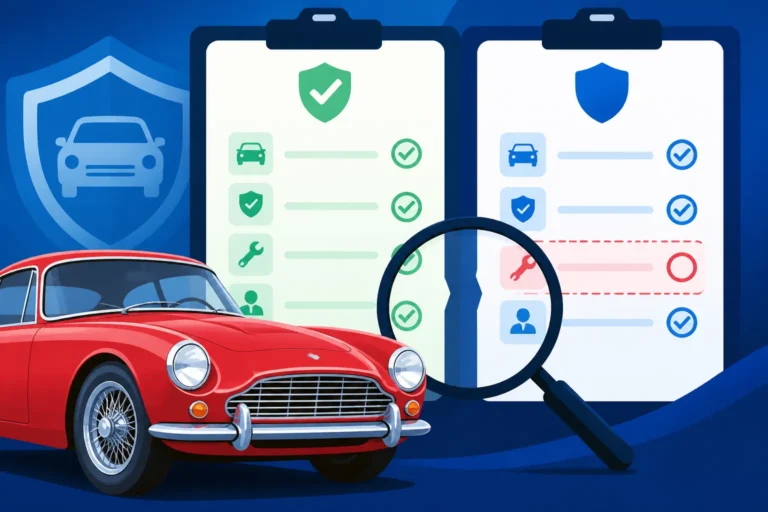
Once you've narrowed down your list to a few reputable specialty insurers, it's time to start gathering quotes. But don't just ask for a price; ask probing questions to ensure you're comparing apples to apples. This process is about understanding the breadth and depth of coverage, not just the bottom line. Here are some critical questions to pose:
- Valuation: Do you offer agreed value coverage, or is it stated value/actual cash value? How often can I update my agreed value? Is an appraisal required, and what documentation do you need to establish value?
- Usage & Mileage: What are the mileage limits? Are there specific restrictions on how I can use the car (e.g., pleasure use only, no daily commuting)? What about coverage for car shows, parades, or tours?
- Coverage Inclusions: What types of comprehensive and collision coverage are included? Do you offer restoration coverage, spare parts coverage, or inflation guard? What are the options for roadside assistance, specifically flatbed towing for classics?
- Deductibles: What are the deductible options, and how do they impact the premium?
- Claims Process: What is your claims process like? Do you use specialty adjusters who understand classic cars? How long does a typical claim take?
- Discounts: What discounts are available (e.g., multi-car, car club, anti-theft)?
- Financial Stability: Who underwrites the policy? Is the company financially stable and highly rated?
By asking these questions, you'll gain a clear picture of what each policy truly offers, allowing you to make an informed decision beyond just the quoted price. For more detailed advice, check out How to Compare Classic Car Insurance Quotes.
Understanding Policy Nuances and Fine Print
The devil, as they say, is in the details, and this is especially true for insurance policies. While agreed value is paramount, other aspects of the policy's fine print can significantly impact your experience.
Let's talk about deductibles. This is the amount you're responsible for paying out-of-pocket before your insurance coverage kicks in. With classic cars, deductibles can vary, and choosing a higher deductible can lower your annual premium. However, it's a trade-off: are you comfortable paying, say, $1,000 out of pocket for a minor repair, or would you prefer a lower deductible and a slightly higher premium? This choice depends on your financial comfort level and your risk tolerance.
Then there are exclusions – what the policy doesn't cover. Some policies might exclude coverage for track events or competitive driving, for example. Others might have limitations on coverage if the car is parked outside overnight for extended periods. It's crucial to read the fine print to understand these limitations. A classic example is coverage for modifications. If you've customized your classic with performance upgrades or unique aesthetic touches, ensure your policy explicitly covers these modifications at their added value. Otherwise, in a loss, you might only be compensated for the stock vehicle. Being aware of Classic Car Insurance Exclusions to Know can save you from unpleasant surprises down the road.
Finally, don't overlook roadside assistance. For a classic car, a standard tow truck with a hook can cause significant damage. You need specialized flatbed towing. Many specialty classic car insurers, like Hagerty, offer roadside assistance plans specifically designed for classics, ensuring your vehicle is transported safely and properly. This often includes trip interruption coverage if you're far from home on a tour, which is a massive relief for any classic car owner. Understanding Roadside Assistance Coverage for Classic Cars Explained can make a huge difference in an emergency.
Here's a quick comparison of factors and how they impact your classic car insurance deal:
| Factor | Impact on Premium | How to Optimize |
|---|---|---|
| Agreed Value | Higher value = higher premium | Accurately appraise; update value after restoration; don't overstate to avoid overpaying. |
| Mileage Limits | Lower mileage = lower premium | Be realistic about usage; choose a tier that matches your actual driving habits. |
| Storage Location | Secure garage = lower premium | Always store in a locked, private garage; document your storage. |
| Driving Record | Clean record = lower premium | Maintain a good driving history, even for your daily driver. |
| Car Club Membership | Discount opportunity | Join recognized classic car clubs; inquire about specific discounts. |
| Multi-Car Policies | Discount opportunity | Insure multiple collector vehicles with the same specialty carrier. |
| Anti-Theft Devices | Discount opportunity | Install alarms or tracking devices; notify your insurer. |
| Deductible Choice | Higher deductible = lower premium | Choose a deductible you're comfortable paying out-of-pocket; balance premium savings with risk. |
| Restoration/Spare Parts Coverage | Add-on cost | Essential for project cars or valuable spare parts; consider it an investment, not just an expense. |
| Inflation Guard | Small add-on cost | Highly recommended; protects your car's rising value over time automatically. |
Long-Term Savings and Policy Management
Securing the initial "best deal" is a fantastic start, but classic car insurance isn't a "set it and forget it" kind of thing. The market for collector vehicles can fluctuate, and your car's value often changes over time, especially if you're improving it. Proactive management of your policy can lead to continued savings and ensure your coverage remains optimal.
Regular Review and Adjustment of Your Policy
Think of your classic car insurance policy as a living document that needs periodic attention. The agreed value you set today might not accurately reflect your car's worth five years down the line. Market trends for specific makes and models can shift dramatically. For instance, air-cooled Porsches or certain Japanese Domestic Market (JDM) classics have seen incredible value appreciation in recent years. If you don't update your agreed value, you could be significantly underinsured, negating the benefit of having a specialty policy in the first place. Many collectors choose to get a fresh appraisal every three to five years, or after any substantial work is completed on the vehicle.
Similarly, if you've undertaken a significant restoration project, the value of your classic will undoubtedly increase. You wouldn't want to complete a $20,000 paint job and engine rebuild, only for your insurer to still have it listed at its pre-restoration value. Most specialty insurers offer "restoration coverage" or "vehicle under construction" endorsements that allow you to increase your agreed value incrementally as you invest more into the car. This ensures that every dollar you pour into your passion is protected. As soon as a major restoration phase is complete, or a significant upgrade is installed, contact your insurer to update your policy. For detailed guidance on this, refer to How to Update Coverage After Restoration. This proactive approach ensures your policy evolves with your car, maintaining that "best deal" in the long run.
Being Proactive with Claims and Service
While we all hope never to file a claim, it's a reality that can happen to any classic car owner. Being prepared and understanding the claims process before an incident occurs is part of smart policy management. When comparing insurers, don't just look at premiums and coverage types; investigate their claims service reputation. How responsive are they? Do they have a network of specialized adjusters and repair shops familiar with classic cars? Companies like Hagerty are often lauded for their collector-focused claims service, employing adjusters who understand the intricacies of classic vehicle repair and valuation.
If you do need to file a claim, be proactive. Document everything. Take photos and videos of the damage, gather witness statements, and keep meticulous records of all communications with your insurer. Provide them with all relevant documentation, including your appraisal, restoration receipts, and any other proof of your car's value and condition. The more organized and thorough you are, the smoother and more equitable the claims process will likely be. Don't be afraid to ask questions throughout the process. Understanding your policy and being prepared for potential claims ensures that when the chips are down, your "best deal" truly delivers on its promise of comprehensive protection.
Disclaimer
Please remember that insurance policies and requirements can vary by state, insurer, and individual circumstances. This guide provides general information and recommendations. Always consult directly with a licensed insurance professional to discuss your specific needs and obtain personalized quotes and advice. It is your responsibility to understand the terms and conditions of any insurance policy you purchase.