Do You Need Towing Coverage for a Classic Car
There's nothing quite like the feeling of cruising down the open road in your classic car, turning heads and soaking in the nostalgia. But let's be honest, every classic car owner lives with that little knot of anxiety in their stomach: "What if it breaks down?" And when it does, the last thing you want is a standard tow truck dragging your irreplaceable beauty by its front wheels. This guide will meticulously break down why specialized towing coverage isn't just a nice-to-have, but an essential safeguard for your vintage vehicle.
Understanding Why Standard Towing Falls Short for Classics
It's a common misconception that "towing is just towing." For a modern vehicle, a conventional hook-and-chain or wheel-lift tow might be perfectly fine. But when you're dealing with a piece of automotive history, those methods can spell disaster. The fundamental difference lies in the design, age, and inherent value of your classic.
The Fragility of Vintage Vehicles
Classic cars, by their very nature, are often more delicate than their modern counterparts. Suspension systems, drivetrains, and body panels from decades past weren't designed for the stresses of modern towing techniques. Imagine your gorgeous 1967 Mustang or a delicate 1955 Chevrolet Bel Air being hoisted by its suspension components. These older systems might not withstand the strain, leading to costly damage you simply wouldn't experience with a newer car.
Beyond the mechanical components, the bodywork itself can be incredibly vulnerable. A standard tow often involves strapping down the vehicle in ways that can scratch paint, dent fenders, or even crack fiberglass, especially on cars that might have seen a restoration decades ago. The chassis and frame, while robust in their time, might have unseen rust or fatigue that makes them susceptible to damage when pulled or lifted improperly. It’s not just about getting it from point A to point B; it’s about getting it there intact, without adding new problems to solve. This is why understanding Classic Car Insurance vs Regular Insurance: What's Required is so important, as standard policies rarely account for these vulnerabilities.
The Risk of Improper Towing Methods
The biggest risk with standard roadside assistance is the "any tow truck will do" mentality. Many conventional tow operators might not have the specialized equipment or, more critically, the experience to handle a classic car properly. They're trained for everyday sedans and SUVs, not for the unique requirements of a vintage Porsche 911 or a Ford Model A.
A prime example is the lack of universal flatbed availability. Standard roadside assistance plans often dispatch the nearest available truck, which could easily be a wheel-lift truck. While this works for many contemporary cars, lifting a classic by its drive wheels (especially if it's a rear-wheel-drive classic and they lift the front) can cause significant damage to the transmission, axles, or suspension. Furthermore, securing a classic car on a flatbed requires specific tie-down techniques that avoid sensitive areas. Improper strapping could damage delicate trim, exhaust pipes, or even bend suspension arms if not done correctly. The last thing you want is your cherished classic to slide around or suffer structural damage on the way to the mechanic, turning a simple breakdown into a full-blown restoration project.
What Dedicated Classic Car Towing Coverage Offers
This is where specialty classic car insurance truly shines. These policies aren't just about covering collision or theft; they understand the unique lifecycle and needs of a classic vehicle, including what happens when it won't move under its own power. Dedicated towing coverage is designed with the collector's specific concerns in mind.
Flatbed Towing: A Non-Negotiable Necessity
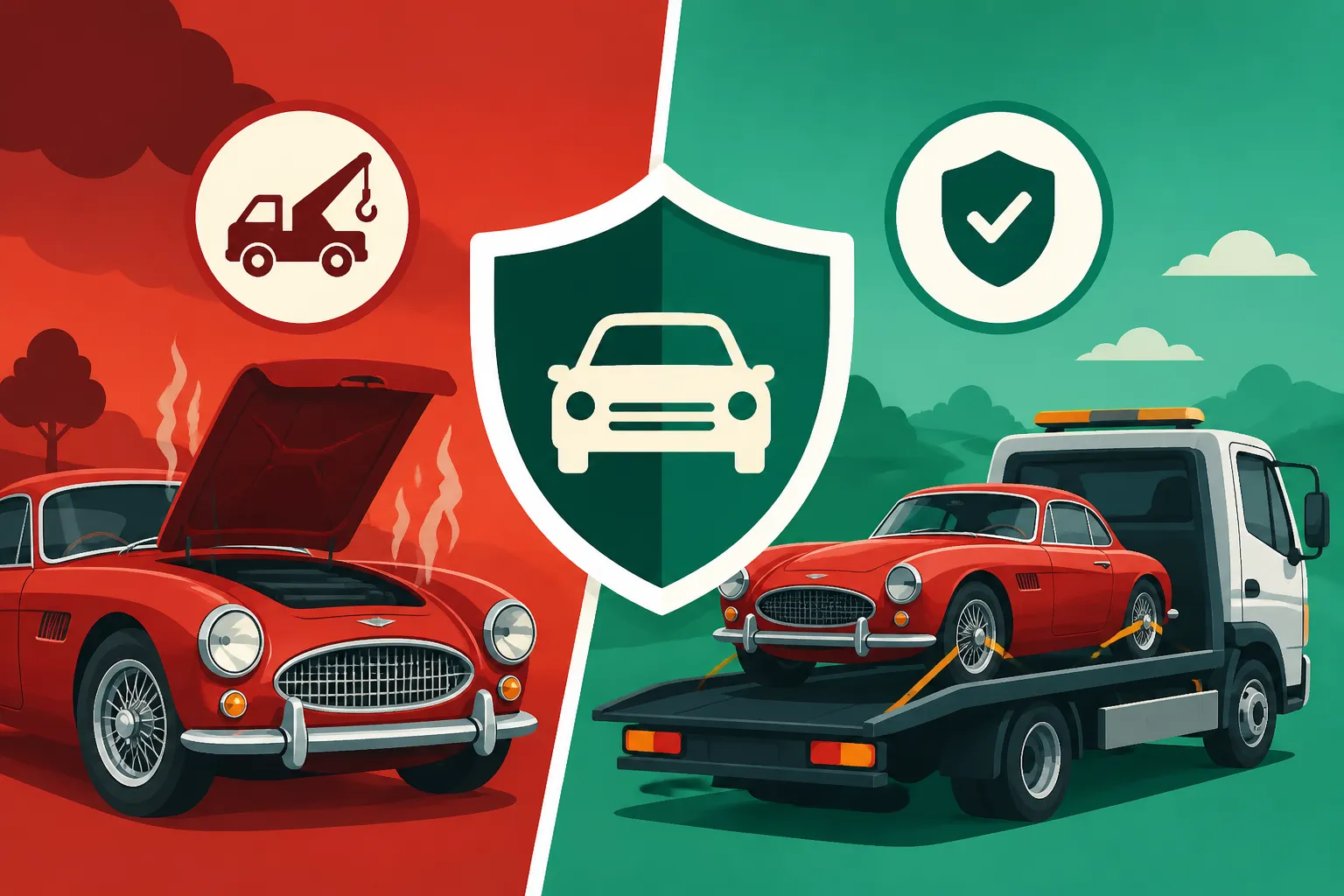
For most classic car owners, flatbed towing isn't a luxury; it's a necessity. This method involves loading your entire vehicle onto a flat, hydraulic platform, ensuring all four wheels are off the ground. This eliminates any stress on the drivetrain, suspension, or delicate bodywork that conventional towing methods impose. It's the safest way to transport a classic, minimizing the risk of additional damage.
Specialty insurers like Hagerty specifically include or offer enhanced flatbed towing services as part of their roadside assistance. They often partner with networks of tow operators who are experienced in handling collector vehicles, understanding the nuances of securing them without causing harm. Imagine your 1970 Chevelle SS breaking down. With dedicated flatbed towing, you can rest easy knowing it won't be dragged by its frame, but gently loaded and secured, protecting its value and integrity. This is often explicitly covered under specific clauses you'd find in Why Classics Need Flat-Bed Towing Coverage.
Extended Towing Distances and Specialized Services
Another crucial benefit of classic car towing coverage is the provision for extended towing distances. Standard auto insurance might only cover towing up to a certain mileage (e.g., 5-10 miles) or to the nearest qualified repair shop. For a classic car, "the nearest qualified repair shop" might not exist for miles, especially if you're on a road trip far from home. Finding a mechanic specializing in vintage engines or specific makes and models can be a challenge.
Specialty policies often offer significantly longer towing distances, sometimes even up to 100 miles or more, ensuring your classic can be transported to a mechanic you trust or even back to your own garage. This can be a lifesaver when you're attending a car show two states away or enjoying a scenic drive far from urban centers. Additionally, these services often include assistance for minor roadside issues, like jump-starts for a finicky battery or tire changes, recognizing that a classic might not use standard tire sizes that a typical service vehicle carries. Knowing that help is specifically tailored to your unique vehicle offers immense peace of mind, making Roadside and Towing for Flat-Bed Only Classics an invaluable resource.
Trip Interruption Benefits for Road Trips
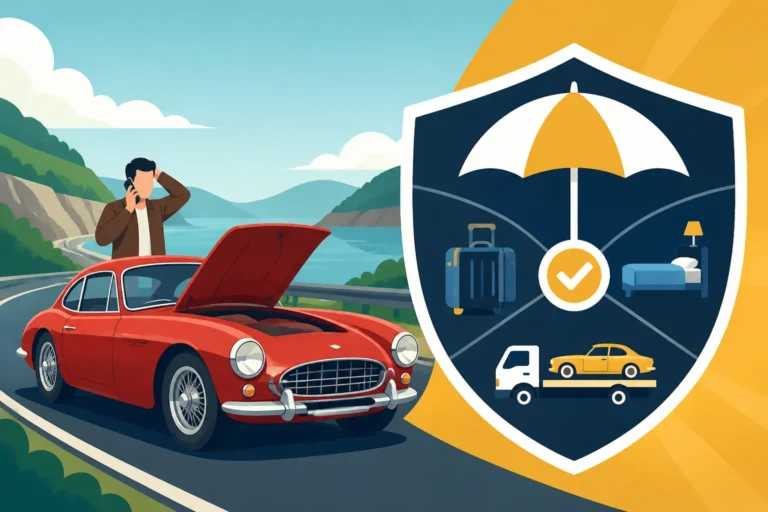
Classic cars are meant to be driven and enjoyed, and for many, that means hitting the road for tours, rallies, or just a weekend getaway. But what happens if your classic gives up the ghost hundreds of miles from home? Beyond just towing, some specialized classic car insurance policies offer trip interruption benefits.
This coverage can help with expenses like lodging, meals, and even alternative transportation (like a rental car) if your classic breaks down a significant distance from your home and requires overnight repairs. It acknowledges that a classic car isn't just transport; it's an experience, and a breakdown shouldn't completely derail your plans and leave you stranded financially. Having these benefits means you can confidently plan longer excursions, knowing that if the unexpected happens, you're not left to fend for yourself. For a deeper dive into these protections, explore Trip Interruption Coverage for Classic Cars Explained.
How to Evaluate Your Current Towing Coverage
Before you sign on for any new policy or assume you're covered, it's essential to understand exactly what your existing insurance policies offer. This step often reveals critical gaps that could leave your classic vulnerable.
Reviewing Your Existing Standard Auto Policy
Many people mistakenly believe their regular auto insurance policy, if they have one for a daily driver, will extend sufficient towing coverage to their classic. This is rarely the case. While some standard policies offer basic roadside assistance, it’s usually designed for modern vehicles and has severe limitations for classics.
First, check the type of tow service provided. Does it explicitly guarantee flatbed towing for any vehicle, or does it simply state "towing to the nearest repair facility"? Many standard policies will only cover the most economical towing option, which is rarely a flatbed. Second, look at the mileage limits. Is it 10 miles, 20 miles? For a classic, especially one that might need a specialist further afield, this limit can be woefully inadequate. Third, consider the payout limit for the tow itself. Is there a cap on the cost? A flatbed tow, especially over a longer distance, can be significantly more expensive than a standard tow, and a low payout limit could leave you footing a large portion of the bill. It's crucial to compare this with what you'd find in Classic Car Insurance Coverage Types Explained from specialty providers.
Assessing Specialty Classic Car Policies
If you already have a classic car insurance policy, don't assume you're fully covered. While specialty insurers are generally much better equipped, there can still be variations in their towing and roadside assistance benefits. Always review the specific terms of your policy.
Look for phrases like "flatbed towing included," "unlimited mileage for roadside assistance," or "trip interruption benefits." Confirm the geographical scope of the coverage – is it only within your state, or does it extend nationwide, or even to Canada for cross-border trips? Some policies might have different tiers of roadside assistance, so ensure you have opted for the one that provides the most comprehensive protection for your specific needs. For instance, a basic plan might only cover a short tow, while a premium plan could offer extensive options. This is also a good time to check other essential elements like Agreed Value Coverage Explained, as a robust policy covers all aspects of your classic's protection.
Key Considerations When Choosing Towing Coverage
When you're sifting through policy options, it's easy to get lost in the details. But for towing coverage, a few key elements stand out as paramount for classic car owners. Making an informed decision here can save you a lot of grief and money down the road.
Mileage Limitations and Coverage Zones
This is arguably one of the most critical factors for classic car towing. As we touched on earlier, the "nearest qualified repair shop" for a classic isn't always around the corner. If your current policy only covers 10-15 miles, you might find yourself paying hundreds of dollars out-of-pocket for the remainder of a 50-mile tow.
Look for policies that offer generous mileage limits, ideally 50-100 miles, or even "to the nearest qualified repair facility that you designate." Some premium plans might even offer unlimited mileage for towing within a certain region. Consider your driving habits: do you mostly stay local for cruises and shows, or are you embarking on cross-country tours? If you're a serious road-tripper, a wider coverage zone and higher mileage limits are non-negotiable. For example, a collector in Arizona might need far greater range than one who primarily drives their classic within the city limits of Scottsdale.
Cost-Benefit Analysis: The Value of Peace of Mind
It’s tempting to cut corners on insurance costs, but with a classic car, the potential cost of improper towing far outweighs the marginal savings on a basic plan. The cost of repairing damage from a botched tow – a bent frame, a cracked transmission, or scratched paint – could easily run into thousands, or even tens of thousands, of dollars. Compared to that, the extra premium for comprehensive classic car towing coverage is a drop in the bucket.
Think of it as an investment in protecting your investment. The peace of mind knowing that if your 1965 Corvette breaks down on the highway, a professional flatbed will arrive, rather than a questionable hook-and-chain, is invaluable. When you're comparing policies, don't just look at the bottom line. Really dig into what classic car insurance covers in terms of roadside assistance and what that specific type of coverage genuinely brings to the table. Sometimes, paying a little more upfront saves you a lot more in the long run.
Specific Exclusions to Watch For
Just like any insurance policy, towing coverage can come with its own set of exclusions. It's vital to read the fine print. Common exclusions might include:
- Towing for non-mechanical issues: Some policies might not cover towing if the vehicle isn't broken down, such as if you ran out of gas (though many do cover this) or if it's for transport for non-emergency reasons.
- Off-road recovery: If you take your classic off a paved road and get stuck, standard towing might not cover the specialized recovery needed.
- Racing or track events: Most classic car policies, including their towing components, explicitly exclude coverage for competitive driving or track days. If you participate in these, you’d need separate track day coverage.
- Pre-existing damage: If the tow is needed due to an issue that was known and not addressed, it might be an exclusion.
- Vehicles under restoration: If your car is a disassembled project car, it might fall under different transport rules. However, some specialty insurers do offer Restoration Coverage for Classic Cars which can include specific transport for projects.
Always clarify with your insurer what scenarios are not covered. Asking direct questions about specific situations you anticipate (like taking your classic to an annual rally or across state lines) will help ensure there are no surprises when you actually need assistance.
Getting the Right Towing Coverage for Your Classic
Navigating the world of classic car insurance can feel daunting, but securing the right towing coverage doesn't have to be. It primarily comes down to seeking out the experts and clearly communicating your needs.
Talking to Specialty Insurers
Your first and best step is to engage with insurance providers who specialize in classic and collector cars. Companies like Hagerty, Grundy, American Collectors Insurance, and others understand the unique value and vulnerabilities of these vehicles. They offer policies specifically tailored to classics, which typically include robust roadside assistance and towing options that standard insurers simply don't.
When you speak with them, don't just ask for "towing coverage." Be specific. Ask about their flatbed towing guarantee, the mileage limits, if they cover trip interruption, and if they have a network of classic-car-savvy tow operators. Tell them about your car – its age, its condition, its value – and how you use it (e.g., occasional Sunday drives, regular car shows, long-distance tours). This detailed conversation will help them recommend the best policy for you. This is a critical step in How to Compare Classic Car Insurance Quotes effectively.
Documenting Your Vehicle's Needs
While you might not need a formal appraisal just for towing coverage, having good documentation about your classic car is always beneficial. This includes photographs of its current condition, details about any recent restorations, and a clear understanding of its market value. While not directly for towing, this information underscores the importance of proper handling and reinforces why a basic tow isn't acceptable.
You might also want to research local tow companies that specialize in classics. If you have a preferred shop or restorer, find out which towing services they recommend or use. Sharing this information with your specialty insurer, like Hagerty, might help them ensure that if you ever need a tow, the service dispatched aligns with your expectations and your car's specific needs. Building a complete classic car policy is a continuous process, and understanding How to Build a Complete Classic Car Policy will empower you to make informed choices for all aspects of your coverage.
Comparing Towing Coverage Features
To help illustrate the stark differences, here's a table comparing typical standard auto insurance towing coverage with what you'd expect from a dedicated classic car policy:
| Feature | Standard Auto Insurance Towing | Specialty Classic Car Insurance Towing |
|---|---|---|
| Type of Tow | Often wheel-lift or hook-and-chain; flatbed not guaranteed | Primarily flatbed towing, explicitly stated |
| Mileage Limit | Typically 5-25 miles to nearest facility | Often 50-100+ miles or to preferred specialist shop |
| Service Provider | Any available local tow operator | Network of vetted, classic-savvy tow operators |
| Damage Risk | High risk to drivetrain, suspension, bodywork | Minimized risk due to specialized equipment/training |
| Roadside Assistance | Basic (jump-starts, lockout, tire change) | Comprehensive, tailored to classic needs (e.g., fuel) |
| Trip Interruption | Rarely included | Often included for long-distance breakdowns |
| Cost of Service | Low cost, but potential for large out-of-pocket if limits exceeded or improper tow occurs | Higher premium, but covers specialized service and protects asset value |
| Availability of Parts | No assistance with finding classic car parts | Some insurers may assist with parts location |
Remember, this table provides general guidelines. Always verify the specific terms and conditions with your chosen insurance provider to ensure you have the coverage that makes the most sense for your beloved classic.
Final Thoughts on Towing Your Treasured Classic
The thought of your classic car breaking down is never a pleasant one. But with the right towing coverage, that anxiety can transform into confidence. Investing in a specialized policy with flatbed towing, extended mileage limits, and even trip interruption benefits isn't just about insurance; it's about honoring the history, value, and unique engineering of your vintage automobile. Don't leave the fate of your classic to chance or the nearest generic tow truck. Protect your passion with coverage that truly understands what makes your car special.
Disclaimer
Please remember that insurance policies and their terms can vary significantly. The information provided in this guide is for general informational purposes only and does not constitute professional insurance advice. You should always consult with a qualified insurance professional to discuss your specific needs and obtain accurate quotes and policy details. Policy coverage and eligibility requirements are subject to change and may vary by state and individual insurer.