How to Insure a Car Bought on Bring a Trailer
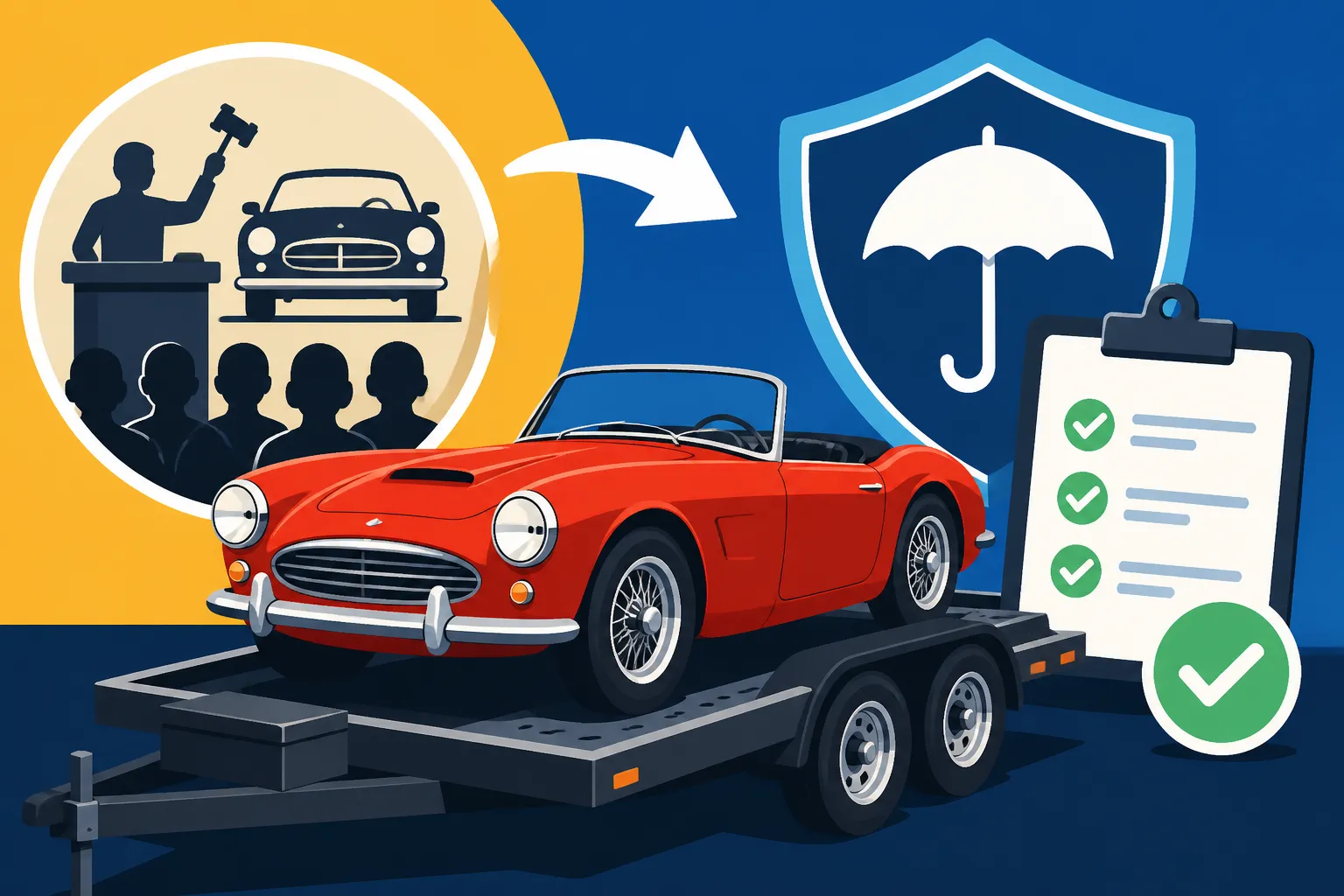
Winning that dream car on Bring a Trailer is an exhilarating feeling – a rush of excitement, the thrill of the auction, and the anticipation of your new classic arriving. But let's be real, once the virtual gavel drops, a new kind of challenge often emerges: how do you properly insure this unique acquisition, especially when it's coming from across state lines or a private collection you've never seen in person? This guide is here to walk you through securing the right classic car insurance for your Bring a Trailer treasure, ensuring it's protected from the moment it leaves the seller's garage.
Understanding the Unique Challenge of Bring a Trailer Purchases
Buying a classic car isn't like buying a new Honda Civic from a local dealership. And purchasing through an online auction platform like Bring a Trailer (often affectionately called BaT) adds several layers of complexity that regular car buyers might not even consider. It's a fantastic platform for finding incredible vehicles, but it also means you're dealing with a unique set of circumstances.
Why Bring a Trailer is Different from a Local Dealership
When you buy a car from a traditional dealership, especially a new one, the paperwork is usually handled efficiently, and you often drive off the lot with temporary plates and immediate insurance coverage facilitated by the dealer. With a Bring a Trailer purchase, things are rarely that straightforward. You're typically buying from a private seller, often in a different state, sometimes even hundreds or thousands of miles away. This means you're solely responsible for arranging transport, registration, and, most critically, insurance.
The speed and finality of online auctions also play a role. You might have only a few days after winning to arrange payment, pick-up, and transport. This leaves a very narrow window to get your ducks in a row for insurance. Unlike a leisurely private sale where you might test drive and finalize details over weeks, a BaT win demands swift action. This rapid transition, coupled with the long-distance nature of many transactions, makes pre-planning your insurance coverage not just a good idea, but an absolute necessity. You don't want to find yourself scrambling at the last minute, risking your prized possession being uninsured, even for a short journey.
The Immediate Need for Coverage
Imagine this: You've just shelled out a significant sum for a beautifully restored 1965 Mustang, won on BaT. You've arranged for a transport company to pick it up, or maybe you're flying out to drive it home yourself. What happens if, during transit, there's an accident? Or if the car is stolen from the transport truck? Or worse, if you're driving it home and an unforeseen incident occurs? Without proper insurance, you could be facing a total loss with no recourse.
The risks of driving or shipping an uninsured car are simply too great to ignore. Even if your transport company has some basic liability, it might not cover the full agreed value of your classic. Standard auto policies from major carriers like State Farm or Progressive might offer some temporary coverage for a newly acquired vehicle, but it's often limited and based on actual cash value (ACV), which almost always undervalues a classic. This is where specialty classic car insurance shines, providing tailored coverage that recognizes the true worth of your investment. It’s crucial to understand that even sitting in a transport trailer, your car is vulnerable. Securing at least basic coverage for transit and initial ownership is paramount to protecting your investment.
Essential Steps to Secure Insurance Before or Immediately After Your BaT Win
The key to a smooth insurance process for a Bring a Trailer purchase is preparation. Don't wait until the car is in your driveway to start thinking about coverage. Many successful BaT bidders begin their insurance inquiries even before placing their final bid, ensuring they have a clear path forward once they win.
Gathering Key Information About Your New Acquisition
Before you can even get a quote, you'll need to compile a comprehensive set of details about the car you've just won, or are about to bid on. Think of it like building a resume for your vehicle. The more information you can provide, the more accurate and tailored your insurance quote will be.
You'll definitely need the full Vehicle Identification Number (VIN), the exact make, model, and year. But beyond the basics, you'll want to gather all the rich details that make your classic special. This includes high-resolution photos from the auction listing, a detailed description of its condition, any modifications, restoration history, and service records. Crucially, the final sale price from Bring a Trailer will be a significant factor in establishing your initial "agreed value" with an insurer. If the car comes with spare parts, documentation about them is also helpful, especially if you plan on adding Spare Parts Coverage Explained to your policy. Having access to the original BaT listing details can be a goldmine, as it often contains a wealth of verifiable information that insurers appreciate.
Researching and Contacting Specialty Insurers
This is perhaps the most critical step. Your everyday auto insurance policy is simply not designed for a classic, collector, or enthusiast vehicle. These cars have unique values, specific usage patterns, and require specialized protections that standard policies just don't offer. You absolutely need to look into specialty classic car insurers.
Companies like Hagerty, Grundy, American Collectors Insurance, and Leland-West are experts in this niche. They understand the nuances of classic car ownership, from agreed value coverage to specific use cases like car shows and limited mileage. They are the ones who will truly understand the value of that vintage Porsche 911 or rare muscle car you just bought. When contacting them, be ready to provide all the information you gathered. Many of these insurers allow you to get a quote online or over the phone. You might even want to get multiple quotes to Compare Classic Car Insurance Quotes. Remember, the goal isn't just to get the cheapest policy, but the one that offers the most comprehensive protection for your specific vehicle and how you plan to use it. Learning How to Get a Classic Car Insurance Quote from these specialty providers is a crucial first step.
Provisional Coverage for Transport and Initial Ownership
You've won the auction, payment is handled, and now the car needs to move from Point A to Point B. This period is a high-risk window, and you absolutely cannot afford to have your classic uninsured. Specialty insurers understand this and often offer flexible solutions for immediate, temporary, or in-transit coverage.
Before the car is even loaded onto a transport truck, or before you get behind the wheel, you should have at least basic liability and comprehensive coverage in place. This might come in the form of a temporary binder or a short-term policy specifically for transport. Many carriers can activate a policy almost immediately, so long as you have the VIN and basic information. For example, a company like Hagerty can often provide quick, provisional coverage over the phone, giving you peace of mind that your investment is protected during its journey. This initial coverage might later be converted into your full, long-term classic car policy once the vehicle is safely in your possession and inspected. Don't forget to ask about Roadside Assistance Coverage for Classic Cars Explained, as flatbed towing is essential for classics and not always standard with regular tow services.
Navigating the Specifics of a Bring a Trailer Policy
Once you've got the basics down, it's time to dive into the specifics that make classic car insurance truly effective for your BaT buy. This is where your investment is truly protected, recognizing its unique status and value.
Establishing Agreed Value for Your BaT Car
The single most important feature of classic car insurance, especially for a Bring a Trailer purchase, is "agreed value" coverage. Unlike "actual cash value" (ACV) policies that depreciate your car's value over time, agreed value means you and the insurer agree on a specific value for your vehicle before the policy is issued. If your car is ever deemed a total loss, you receive that agreed-upon amount, no questions asked, no depreciation calculations. This is a game-changer for collectors.
For a BaT car, the final sale price is usually an excellent starting point for this agreed value. It's a real-world, market-driven transaction price that reflects current demand for a vehicle in that specific condition. You should definitely provide your insurer with the final auction listing, the sale invoice, and any appraisal reports or detailed condition assessments that were part of the BaT listing. These documents serve as powerful evidence for establishing and supporting your agreed value. While the BaT price is strong, some insurers might still recommend a professional How to Get a Classic Car Appraisal for higher-value or highly customized vehicles to solidify that agreed value. The beauty of this is that it protects your investment against the arbitrary depreciation that often comes with standard policies. You can learn more about this crucial protection in our guide, Agreed Value Coverage Explained.
Common Requirements for Specialty Classic Car Insurance
Classic car insurers offer these specialized policies because classic cars are generally driven less, stored more securely, and their owners are typically more careful. To qualify for these often lower-cost, higher-coverage policies, you'll need to meet certain criteria.
Firstly, there's the "pleasure-use" requirement. Your BaT classic is meant for weekend cruises, car shows, and special events – not for daily commuting. Insurers expect it to be a secondary vehicle, driven for enjoyment, not necessity. This ties into the "daily driver requirement," meaning you must have a separate, primary vehicle for your everyday transportation needs. Your BaT purchase can't be your only car. Additionally, most specialty insurers will have a Garage Storage Requirement for Classic Cars. They want to know your pride and joy is stored safely and securely in an enclosed, locked structure when not in use, protecting it from the elements and theft. Finally, there are often mileage limits by state. While some policies offer unlimited mileage for a higher premium, many standard classic policies will have tiered mileage options (e.g., 1,000, 2,500, or 5,000 miles per year). Be honest about your anticipated usage; exceeding these limits could jeopardize a claim.
Specific Coverages to Consider for a BaT Purchase
Beyond the fundamental agreed value, several other coverage types are particularly relevant for your new Bring a Trailer acquisition. These endorsements offer added layers of protection tailored to the unique aspects of classic car ownership.
Comprehensive Coverage for Stored Classics: Even if your car is just sitting in your garage or being transported, it's vulnerable to things like theft, vandalism, fire, natural disasters (hail, floods), and falling objects. Comprehensive coverage is crucial for protecting against these non-collision events, especially when the car might be in various stages of transit or storage before it's fully registered and on the road.
Spare Parts Coverage: Many classic cars, particularly those bought on BaT, come with a trove of spare parts, or you might acquire them during the restoration process. These parts can be incredibly valuable. Spare Parts Coverage Explained protects these items, whether they're new old stock (NOS) components, rare trim pieces, or an extra engine block, ensuring they're covered in case of theft or damage while stored or in transit with the car.
Roadside Assistance for Classic Cars: This isn't your average AAA service. Classic cars often require specialized handling, particularly flatbed towing to prevent damage to the drivetrain or chassis. Standard tow trucks can cause significant damage. Opting for Roadside Assistance Coverage for Classic Cars Explained through your classic car insurer ensures that if you break down on a Sunday drive, a flatbed will be dispatched, and your vehicle will be handled by professionals who understand classics.
Inflation Guard Coverage: For classics, especially those bought at competitive auctions like BaT, values can appreciate over time. Inflation Guard Coverage for Classic Cars Explained is an endorsement that automatically increases your agreed value by a small percentage (e.g., 2-6%) each year to account for market appreciation, ensuring your policy keeps pace with your car's rising worth without requiring a new appraisal every year. This is particularly valuable for appreciating assets.
Common Pitfalls and Smart Strategies for BaT Buyers
Even with the best intentions, it's easy to overlook crucial details when insuring a classic car purchased through an online auction. Being aware of these common missteps and employing smart strategies can save you a lot of headache and heartbreak down the road.
Avoiding a Coverage Gap
One of the biggest mistakes a new Bring a Trailer owner can make is assuming their regular insurance will cover their new classic indefinitely, or worse, not having any coverage at all during the transfer of ownership. A coverage gap is that dangerous period when your car is no longer fully covered by the seller's insurance (if they had any), and your new policy hasn't kicked in yet.
To avoid this, aim for pre-approval or have a quote ready to activate the moment the auction closes and ownership transfers. Communicate proactively with your chosen specialty insurer. They can often bind a policy effective the day of the sale, provided you have all the necessary information, including the VIN and purchase price. The danger of uninsured driving or transport is immense; even a minor fender bender or an act of nature could lead to a catastrophic financial loss if you don't have protection from day one. Some buyers even ask about coverage for the car while it's still with the seller, prior to pickup, just to be extra safe, though this might involve an agreement with the seller.
What if the Car is Modified or a Project?
Bring a Trailer often features beautifully restored cars, but it's also a hub for restomods, hot rods, and even project cars. If your new acquisition falls into one of these categories, you'll need to discuss this extensively with your insurer. Standard classic car policies might have limitations on heavily modified vehicles.
For a modified car, whether it's an engine swap, custom suspension, or bodywork, you'll need to explicitly declare all modifications when getting a quote. Insurers like Hagerty or American Modern understand that modifications can enhance a car's value and appeal. They offer specific policies or endorsements for Requirements for Insuring a Modified Classic or even Requirements for Insuring a Restomod. If your BaT purchase is a "barn find" or a project car that's not yet roadworthy, you'll need Coverage for a Car Being Restored. This type of policy covers the car's value as it sits, and can often be updated to reflect the increasing value as you invest more time and money into its restoration. Always be transparent about the car's condition and any planned modifications to ensure full coverage.
Long-Term Insurance Management
Buying a car on Bring a Trailer is just the beginning of your journey with your classic. Your insurance policy isn't a "set it and forget it" item; it requires periodic review and adjustment, especially as your car's value or your usage changes.
The market for classics can fluctuate, and any significant improvements or restorations you undertake will likely increase your car's value. It's wise to reassess your agreed value annually or after any major work. Learn When to Update Your Classic Car's Agreed Value to ensure your policy reflects its current market worth. If you acquire more classics down the line, remember that specialty insurers often offer multi-car collection policies, which can be more cost-effective and convenient. Understanding How to Add a Newly Purchased Classic to an existing policy is key for expanding your collection efficiently.
When you purchase a car through Bring a Trailer, you're not just buying a vehicle; you're often investing in a piece of automotive history. Protecting that investment with the right specialty classic car insurance is a fundamental part of responsible ownership.
| Feature / Coverage Type | Why It's Crucial for a BaT Purchase | Key Information Needed from BaT Listing |
|---|---|---|
| Agreed Value | Guarantees payout for true market value, not depreciated ACV. BaT sale price is strong evidence. | Final Sale Price, Condition Report, Restoration History, Appraisals (if any) |
| Immediate Coverage | Protects during transport & initial ownership, preventing costly gaps. | VIN, Make, Model, Year, Seller Location, Your Planned Pickup/Shipping Date |
| Comprehensive | Covers non-collision damage (theft, fire, weather) while stored or in transit. | Photos of current condition, storage location details |
| Roadside Assistance | Ensures professional, flatbed towing for delicate classics. | Estimated driving range, planned usage |
| Spare Parts | Protects valuable extra components that often come with BaT cars. | Inventory of included spare parts, estimated value |
| Inflation Guard | Automatically adjusts value upwards, protecting appreciating assets. | N/A (policy endorsement) |
| Modified/Restoration | Tailored coverage for custom builds or projects, reflecting evolving value. | Detailed list of modifications, restoration plan, current build photos |
Disclaimer
Please remember that this information is intended for general guidance only and does not constitute professional insurance advice. Insurance policies and requirements can vary significantly by state, insurer, and the specific vehicle in question. It is always recommended to consult directly with a qualified classic car insurance specialist to discuss your individual needs and to obtain personalized quotes and policy details before making any decisions.